 RSS Subscribe
What Happens When A Reservoir Hits Dead Pool
From WorlAtlas
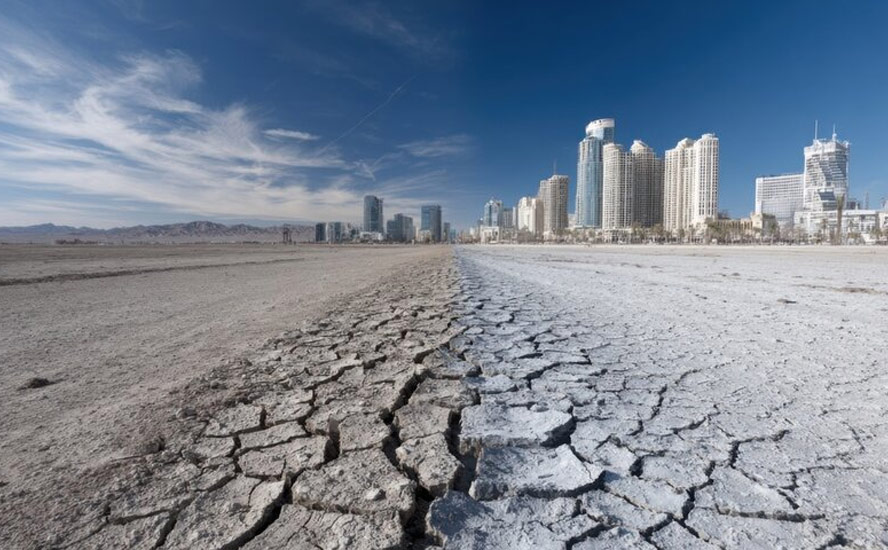
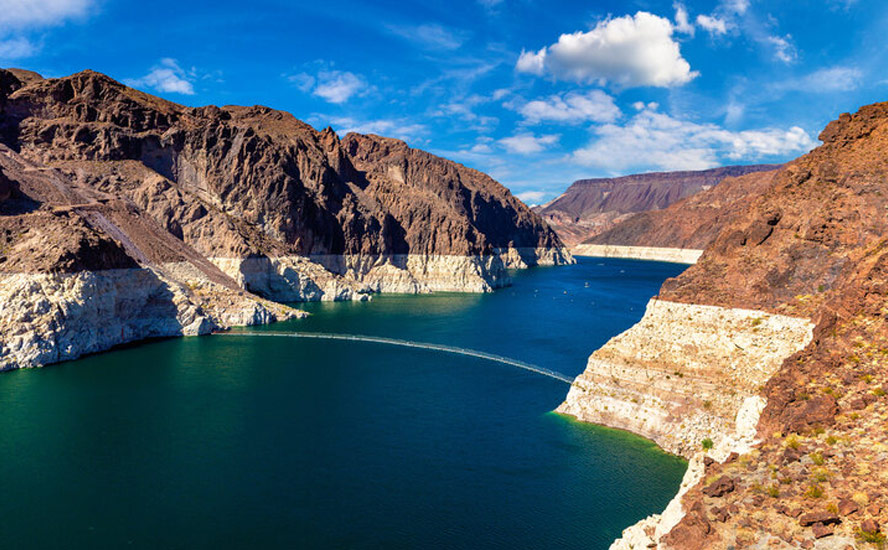
A reservoir hits dead pool when its water level falls below the dam’s lowest controllable outlet, the point at which stored water can no longer be released downstream through the normal outlet system. It does not have to run dry to get there. A reservoir at dead pool can still hold millions of acre-feet of water and span hundreds of square miles, yet become nearly useless as a water supply.
The term comes up most often around the Colorado River reservoirs Lake Mead and Lake Powell, the two largest in the United States, which sit at the center of a system supplying water to about 40 million people across seven states and northern Mexico. Neither reservoir is at dead pool today, but both have declined for a quarter-century, and in 2026 their combined storage fell to a level lower than at any point since before Lake Powell began filling behind Glen Canyon Dam in 1963
Legal Notice / Disclaimer
Ahead of the Herd newsletter, aheadoftheherd.com, hereafter known as AOTH.Please read the entire Disclaimer carefully before you use this website or read the newsletter. If you do not agree to all the AOTH/Richard Mills Disclaimer, do not access/read this website/newsletter/article, or any of its pages. By reading/using this AOTH/Richard Mills website/newsletter/article, and whether you actually read this Disclaimer, you are deemed to have accepted it.