 RSS Subscribe
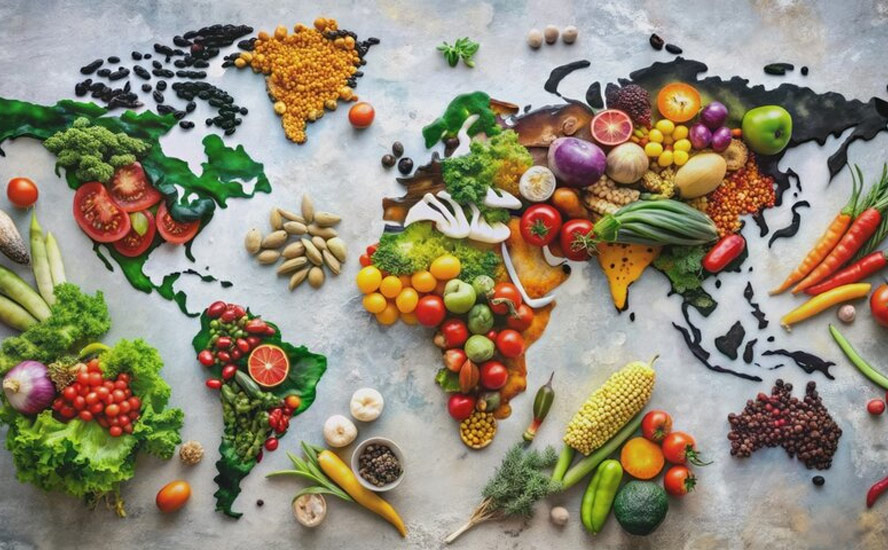
Groceries increasingly expensive – Richard Mills
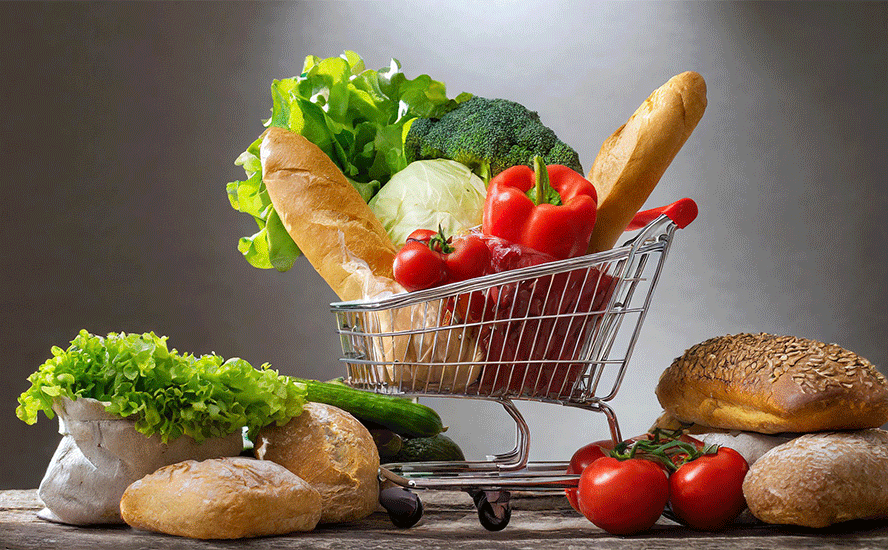
The FAO Food Price Index rose for a third consecutive month in September 2026, marking a 1.5% increase from August and reaching its highest level since November 2022.
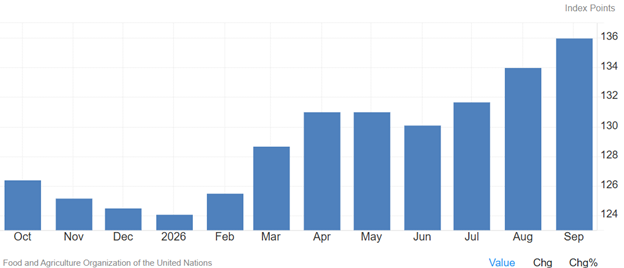
Sugar prices soared 6.1% to its highest level since April 2025, mainly driven by prospects of tighter global sugar supplies in the 2026/27 season. In the EU, a decline in planted area and adverse weather conditions are weighing, alongside forecasts of lower sugar production in Thailand and concerns over crop prospects in India. Cereals jumped 5.1% to December 2023-highs, with wheat prices increasing 6.3% amid logistical constraints in the Black Sea region and dry weather conditions in parts of North America. Vegetable oils increased 0.9% to the highest since June 2022, driven mainly by higher world palm oil prices. On the other hand, meat prices fell 1.1%, reflecting lower poultry and pig meat quotations and dairy prices were little changed as declines in cheese prices were almost offset by increases in milk powder. Trading Economics
Prices are up 5.8% compared to September 2025.
Food prices are climbing due to a combination of:
- Rising production costs; Higher oil and diesel prices increase the cost of running farm machinery and transporting goods. Imported fertilizers and materials like steel for cans cost more due to trade tariffs. Reduced agricultural labor pools have driven up wages and harvesting expenses.
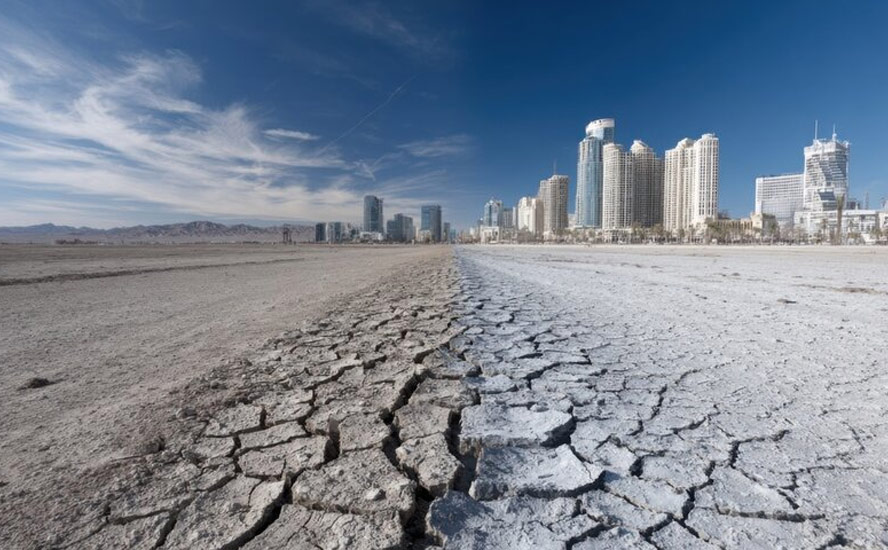
- Xtreme weather; Droughts, floods, and unseasonal freezes have hurt crop yields globally
- Supply chain disruptions; Multi-year droughts forced farmers to shrink cattle herds, pushing beef prices to record highs. Regional conflicts and port delays slow down transit times for fresh food.
- Corporate profit margins; A small number of massive corporations control major parts of the food supply chain, limiting price competition. Many large food companies raised prices during inflation spikes to protect or expand their profit margins.
Malnutrition begins happening almost immediately when food prices spike.
When food becomes too expensive, the global effects trigger a fast-moving chain reaction from financial strain to physical health crises. Globally, this drives a massive increase in hunger and severe, long-term malnutrition.
Malnutrition does not just happen because people stop eating entirely; it happens because of forced dietary degradation.
When grocery budgets are squeezed, families protect their immediate hunger by buying cheap, calorie-dense starchy staples (like rice, maize, or bread) while cutting out expensive, nutrient-dense foods (like meat, dairy, vegetables, and fruit).
Families in developing nations spend 50% to 100% of their income on food (compared to 12%–30% in wealthier countries). Historically, sharp food price spikes directly trigger civil unrest, food riots, and political upheavals. When local agricultural systems collapse from high input costs or climate stress, families are forced to displace and migrate to survive.
Driven by the compounding shocks of armed conflict, severe climate anomalies (like a Super El Niño), and soaring food prices, several regions have reached a state of emergency, with active or imminent risks of famine and large segments of the population are classified under IPC Phase 5 (Catastrophe/Famine), the most severe tier of food insecurity.
According to the latest UN Hunger Hotspots Report and updates from the World Food Programme (WFP), 266 million people globally are facing acute, crisis-level hunger.
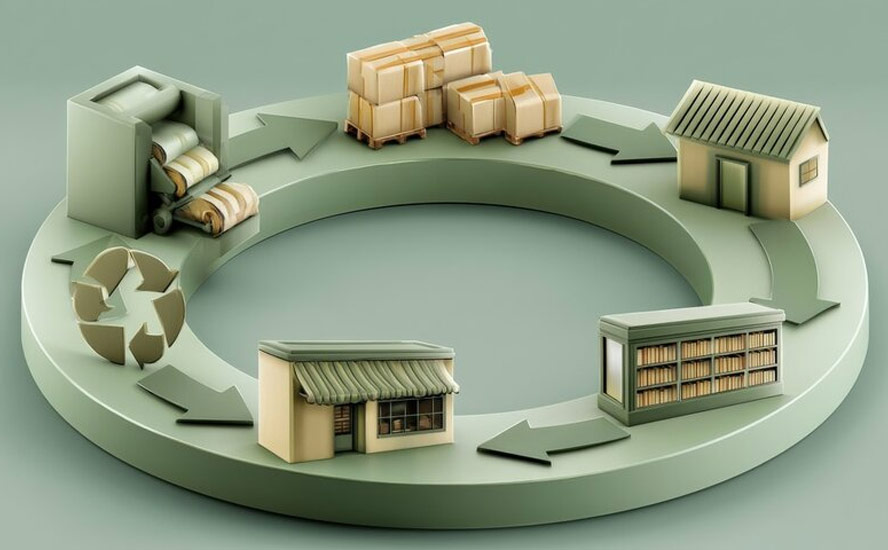
The world currently grows more than enough food to feed everyone. Global starvation and hunger crises are not caused by an absolute lack of food production, but by poverty, conflict, food waste, and unequal distribution.
Roughly one-third of all food produced globally is lost or wasted before it ever reaches a human stomach. In wealthier countries, food is thrown away at the retail and consumer levels; in developing nations, food spoils on farms or in transit due to poor refrigeration and infrastructure.
The primary driver of hunger is that 2.7 billion people simply cannot afford a healthy diet. This is because food is treated as a global commodity, meaning it flows to where the profit is, not where the hunger is.
A major reason food prices spike unpredictably is because of financial speculation. Investment banks and hedge funds are buying and selling food contracts strictly to make a profit on price movements.
Conclusion
One of the most effective ways to fix a global commodity issue is to stop participating in it globally. By building regional food sovereignty, communities become immune to global market speculation.
Globally, smallholder farmers (farms under 5 acres) produce roughly one-third of the world’s food, and up to 80% in parts of Asia and Sub-Saharan Africa.
Right here in British Columbia, regional coalitions and food hubs work to connect local agricultural producers directly with food banks and community markets. The goal is to ensure that fresh food distribution is insulated from global currency fluctuations and international shipping costs.
The global commodity market will likely always exist, but it does not have to be the only way food moves around the planet. The fix lies in strengthening the public, local, and humanitarian systems so they can act as a massive safety net when the profit-driven market fails.
Richard (Rick) Mills
aheadoftheherd.com

Legal Notice / Disclaimer
Ahead of the Herd newsletter, aheadoftheherd.com, hereafter known as AOTH.Please read the entire Disclaimer carefully before you use this website or read the newsletter. If you do not agree to all the AOTH/Richard Mills Disclaimer, do not access/read this website/newsletter/article, or any of its pages. By reading/using this AOTH/Richard Mills website/newsletter/article, and whether you actually read this Disclaimer, you are deemed to have accepted it.