 RSS Subscribe
Storm Exploration: Forgotten Inco VMS Target Offers Massive Potential Leverage for 2026

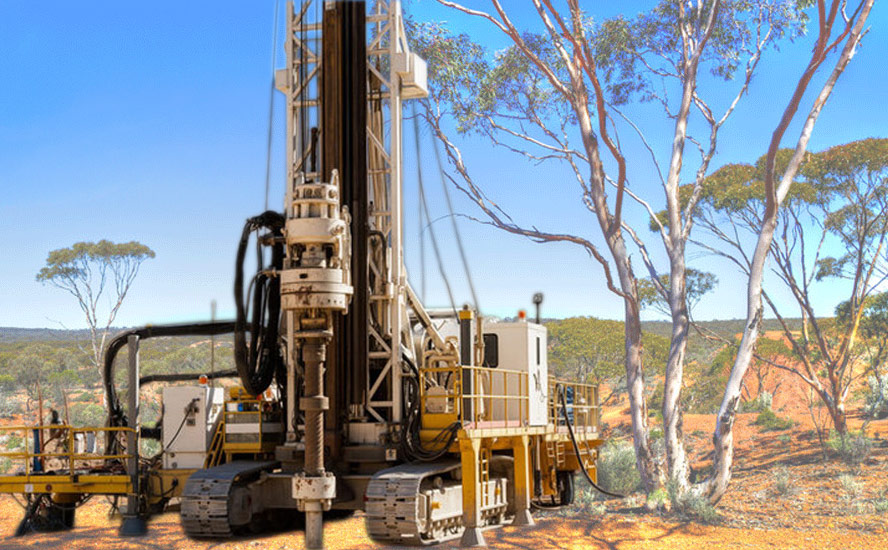
Sometimes the most exciting exploration stories emerge not where no one has ever looked, but where someone stopped too early decades ago. This exact constellation could now be developing at the Gold Standard Project of Storm Exploration (TSXV: STRM; FSE: L840) in northwestern Ontario. The company has announced a targeted exploration and drilling program for 2026 on a roughly five-kilometer-long conductivity target interpreted as a potential VMS system. VMS stands for volcanogenic massive sulphide—deposits that rank among the most sought-after copper, zinc, silver, and in some cases gold deposits worldwide.
The particular appeal lies in the historical background: As early as the late 1960s and early 1970s, the then International Nickel Company of Canada, or Inco for short, drilled at Gold Standard. Four short drill holes intersected significant sulphide mineralization at that time, including copper and zinc sulphides. However, because the target apparently did not immediately show the nickel character they were seeking, it was not pursued further. Even more remarkable: the drill holes were all less than 50 meters deep, and no assays were performed. In other words: Inco found sulphides but never systematically verified what metal grades were actually present.
Legal Notice / Disclaimer
Ahead of the Herd newsletter, aheadoftheherd.com, hereafter known as AOTH.Please read the entire Disclaimer carefully before you use this website or read the newsletter. If you do not agree to all the AOTH/Richard Mills Disclaimer, do not access/read this website/newsletter/article, or any of its pages. By reading/using this AOTH/Richard Mills website/newsletter/article, and whether you actually read this Disclaimer, you are deemed to have accepted it.