 RSS Subscribe
CANDU reactors could play a vital role in quantum computing – Richard Mills
2026.07.28
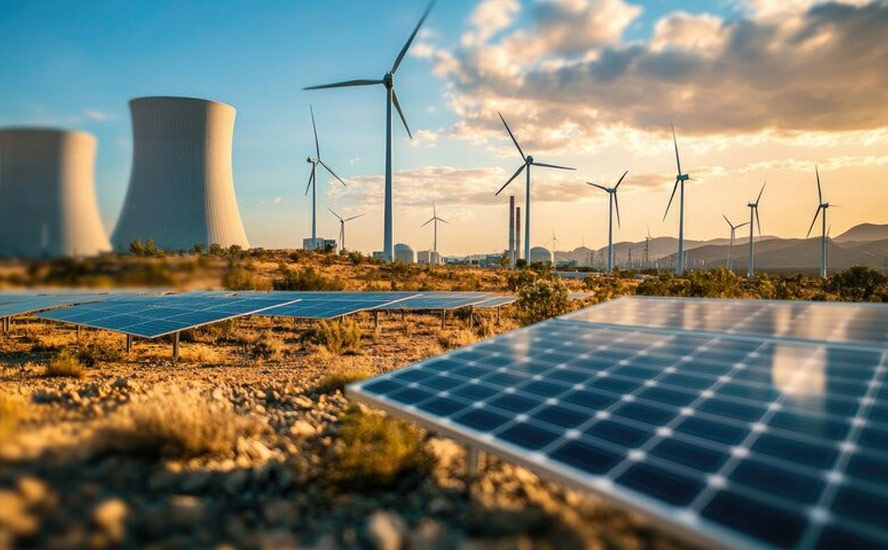
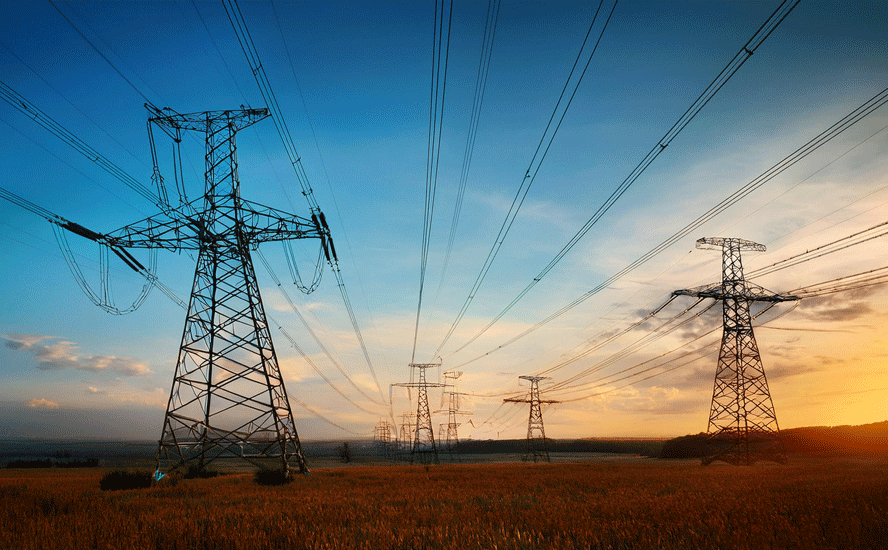
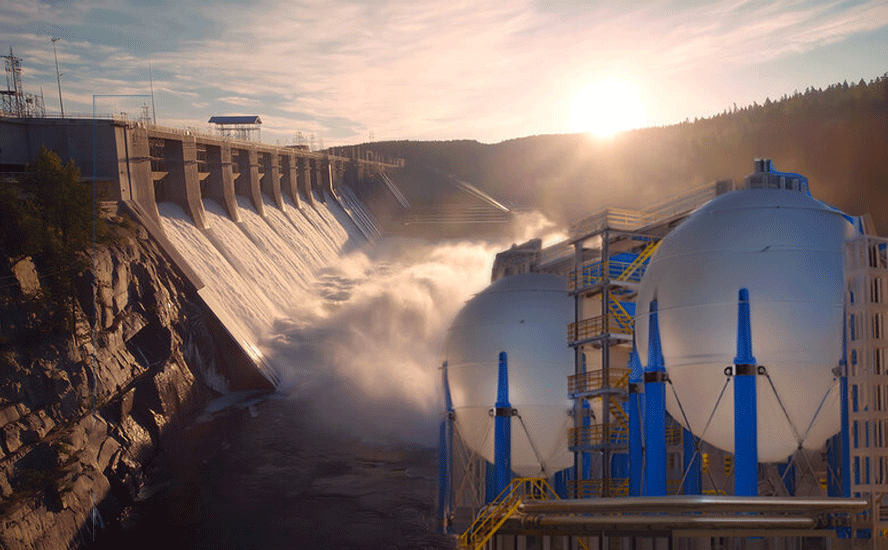
The Canadian government’s plan to build 10 new nuclear reactors will not only boost the country’s energy capacity, but its profile as a leading source of helium-3 — a byproduct of nuclear power generation from Canada’s CANDU reactors.
In June the Globe and Mail newspaper reported:
The federal government wants to dramatically scale up the use of nuclear power and the export of Canadian-owned reactor technology through a new strategy that sets a goal of increasing by more than 50 per cent the number of large-scale reactors in Canada.
In a policy document released on Monday by Energy Minister Tim Hodgson, and obtained by The Globe and Mail, the government positions nuclear power as a triple threat for Canada’s economy, energy transition and sovereignty.
The strategy prioritizes bolstering the domestic supply chain for the Candu reactor, the Canadian-made technology used to build and operate nuclear-generating stations in the country since the 1960s and reinvigorating a sales and export strategy for the reactors that has been largely dormant for decades.
The strategy is the latest move by Prime Minister Mark Carney’s government to diversify exports and reduce Canada’s reliance on the United States for its economic growth. It also coincides with a surge in global interest in nuclear power.
“The global nuclear renaissance is creating a time-limited window. Other countries are moving quickly, investing heavily, and competing for the same markets and partnerships that Canada is well positioned to secure,” the strategy argues.
Before we get into how the reactors produce helium-3, one of the rarest and most important elements for the world’s future quantum economy, including quantum computers, quantum sensors and quantum communications, we need to back up a step.
What is quantum computing?
Quantum computing is an advanced technology that uses the rules of quantum physics to solve complex problems much faster than normal computers, utilizing qubits, superposition entanglement.
Unlike regular computer bits that are only a 0 or a 1, a quantum bit (qubit) can be both at the same time.
This ability to exist in multiple states at once allows the system to test many possibilities (superposition). Imagine a classical bit as a flipped coin that is resting flat — it is either heads (0) or tails (1). A qubit is like a spinning coin, existing in a blended state of until you stop it. This ability to hold multiple probabilities at once allows quantum computers to evaluate complex problems simultaneously.
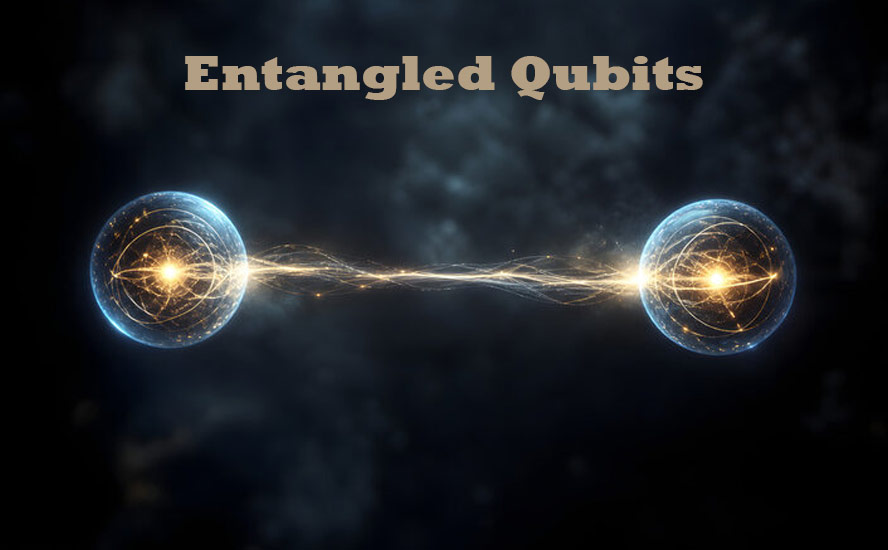
A link between qubits where changing one instantly changes another, no matter the distance, makes the processing power grow very fast (entanglement). Qubits can become invisibly linked, meaning the state of one qubit instantly dictates the state of another, even across vast distances. This connection links the qubits together so the computer can process highly complex, interconnected variables exponentially faster than a traditional computer.
Quantum computing uses include helping to create new medicines, improving shipping routes, and boosting artificial intelligence.
However, quantum computers are hard to build and keep stable because tiny changes like heat or noise can ruin the data.
What is cryogenic infrastructure?
Qubits are stored by encoding quantum states into physical systems like superconducting circuits, trapped ions, or electron spins, which are kept stable at ultra-cold temperatures or isolated in vacuums.
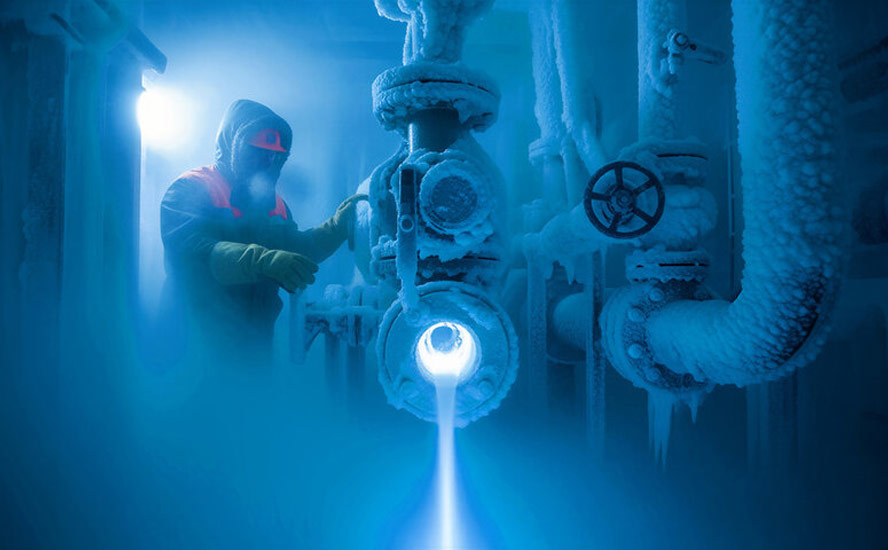
Cryogenic infrastructure is a specialized network of physical systems engineered to produce, store, transport and control liquefied gases at ultra-low temperatures below -150°C (-238°F). It relies on key components like vacuum-insulated tanks, specialized piping and precision cryocoolers.
Enter helium-3.

What is helium-3?
Helium-3 (³He) is a rare, stable isotope of helium with two protons and one neutron, instead of the usual two protons and two neutrons in helium-4. Though scarce on Earth, it is highly valued for quantum computing, advanced medical imaging, and its potential as a clean, virtually waste-free nuclear fusion fuel.
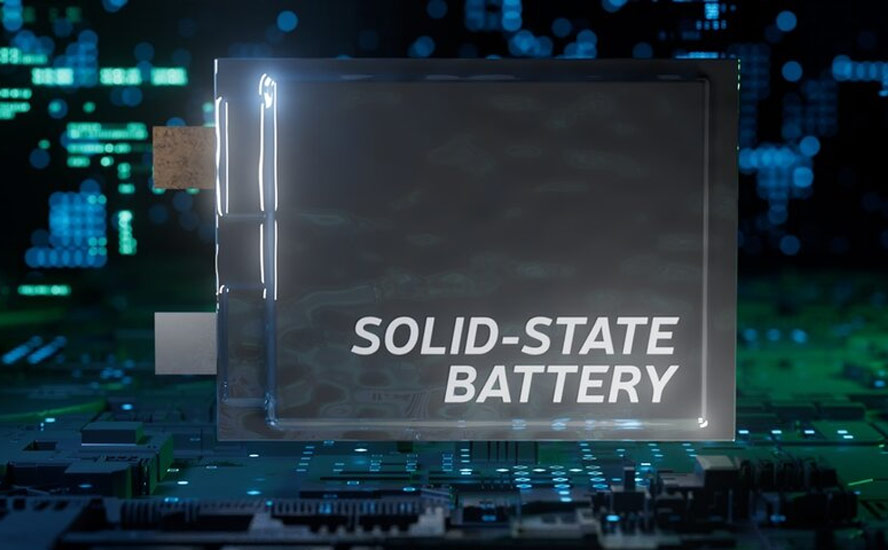
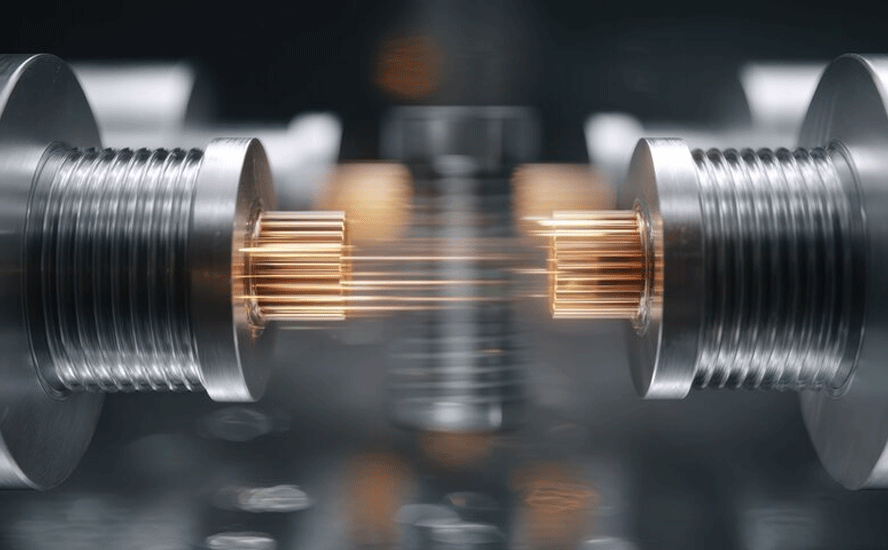
Helium-3 is used in dilution refrigerators to cool quantum processors to temperatures near absolute zero. This extreme cooling is essential to stop quantum noise and allow quantum computers to operate.
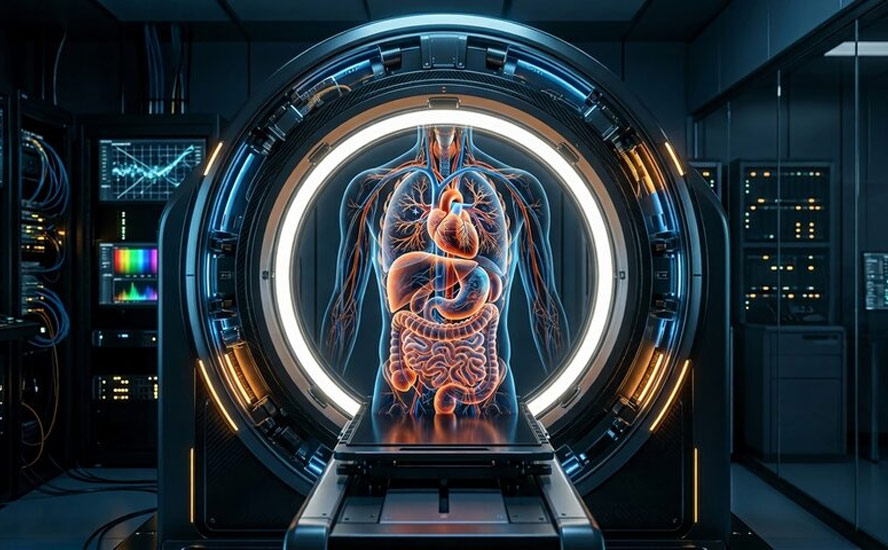
It is used in neutron detectors for border security (to locate illicit nuclear materials) and in MRI machines to capture highly detailed images of human lungs.
Helium-3 is considered a theoretical “holy grail” for fusion energy. Unlike standard fusion fuels, fusing helium-3 with itself or other isotopes is aneutronic — meaning it produces abundant energy without releasing dangerous, radioactive neutrons that degrade reactor walls.
The latest developments in nuclear technology — Richard Mills
Scarcity of helium-3
There is an ongoing structural supply shortage of helium-3, driven by rising high-tech demand, geopolitical conflicts affecting helium production, and limited natural availability.
(The conflict involving Iran has severely disrupted the global helium supply by taking roughly one-third of worldwide production offline, driven by structural damage to Qatari infrastructure and regional maritime shipping blockades.
While old military stockpiles from nuclear weapons programs once easily met Cold-war-era and early 2000s security border detector demands, those reserves diminished significantly over time, forcing a heavy reliance on industrial capture and recycling.)
Another Globe and Mail article states:
Helium-3 is so scarce it is measured in gaseous litres rather than tonnes. It is found at just 7.2 parts per trillion in Earth’s atmosphere. It cannot be synthesized on demand.
But, in a turn of good news for Canada, it is a byproduct of our nuclear power production.
Other nations produce helium-3 for quantum as a byproduct of maintaining nuclear warheads, making global supply both limited and strategically sensitive…
In 2025, NATO flagged helium-3 supply as critical to any quantum computing supply chain. The United States has been managing its own helium-3 stockpile through the Department of Energy for years.
But the United States and other countries are chasing alternate supply sources…
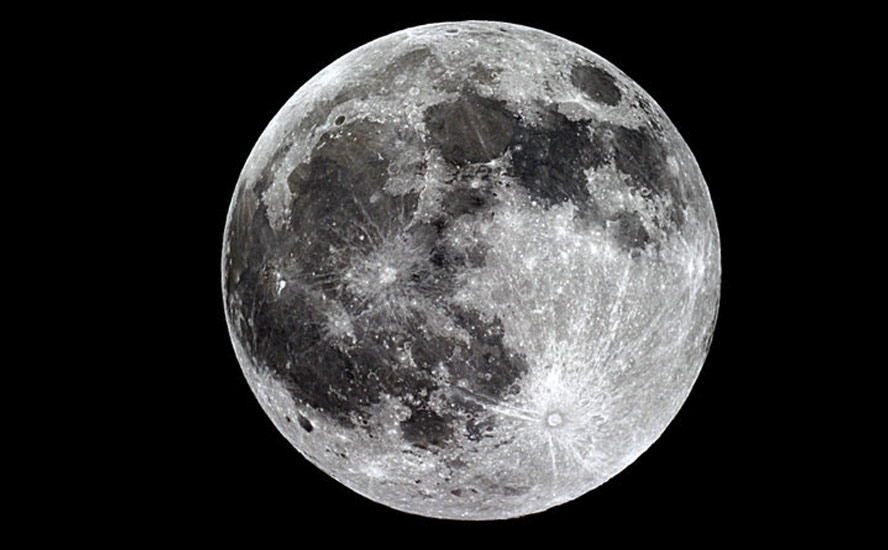
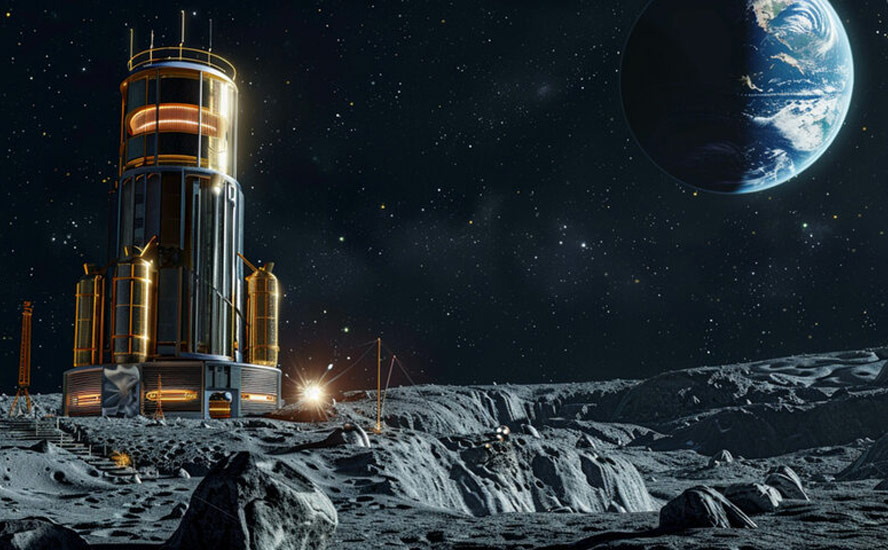
The extreme scarcity and growing importance of helium-3 has led the United States and European Union to explore missions to the moon to harvest it, where helium-3 accumulates from solar wind. In fact, NASA has signed a deal with Interlune to harvest helium-3 from the moon, with an initial launch targeted for 2028.
How do CANDU reactors produce helium-3?
But Canada’s doesn’t have to go to the moon to get helium-3. Ontario Power Generation is already harvesting the isotope from its Darlington nuclear facility east of Toronto, which houses four CANDU reactors.
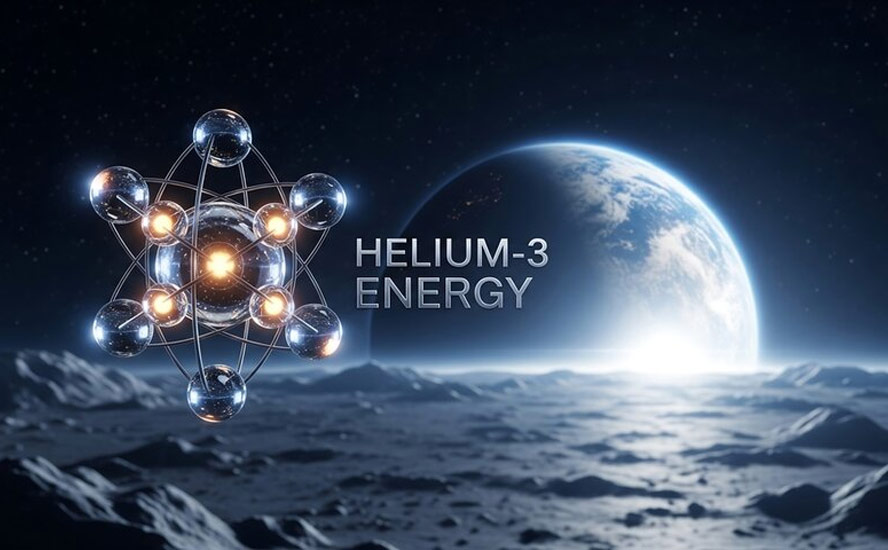
A CANDU reactor is a Canadian-made nuclear power system that uses natural uranium for fuel and heavy water to keep the reaction going. It stands for Canada Deuterium Uranium.
The reactors use heavy water to produce helium-3 as a natural byproduct of tritium decay — the radioactive process where an unstable hydrogen-3 atom changes into a stable helium-3 atom by emitting a low-energy beta particle.
The Globe article notes that other nuclear power generation technologies do not have this capability — historically, the main commercial supply came from the beta decay of tritium (hydrogen-3) stored in nuclear weapons programs — meaning that If Canada’s 10 new reactors are CANDU designs, we can become the world’s most meaningful non-military producer of helium-3.
Conclusion
This presents Canada with a unique opportunity.
CANDU reactor technology has been exported all over the world. Examples of countries using it include Romania, China, India, South Korea and Argentina.
Canada’s quantum sector is on the leading edge of the global quantum race. Its early-stage commercial ecosystem is anchored by strong research talent, highlighted by key players like D-Wave in Burnaby, Photonic in Coquitlam, and Xanadu in Toronto.
The federal government launched the Canadian Quantum Champions Program, funneling crucial milestone funding — up to CAD$92 million in Phase 1 — into domestic hardware and software companies.

Canada holds roughly 5% of the developed world’s commercial quantum workforce despite having a small fraction of the global population, leading to high per-capita enterprise concentration.
The country’s leaders should not pass up the opportunity to create more helium-3 needed for quantum computing. One strategy is to stockpile helium-3. Doing so would not only secure Canada’s own supply but make it a country others depend on. In other words:
A helium-3 stockpile would protect Canada’s quantum investments and give Canadian companies a supply-chain advantage in one of the most strategically important technologies of the century.
Richard (Rick) Mills
aheadoftheherd.com

Legal Notice / Disclaimer
Ahead of the Herd newsletter, aheadoftheherd.com, hereafter known as AOTH.Please read the entire Disclaimer carefully before you use this website or read the newsletter. If you do not agree to all the AOTH/Richard Mills Disclaimer, do not access/read this website/newsletter/article, or any of its pages. By reading/using this AOTH/Richard Mills website/newsletter/article, and whether you actually read this Disclaimer, you are deemed to have accepted it.