 RSS Subscribe
District-scale exploration – AOTH
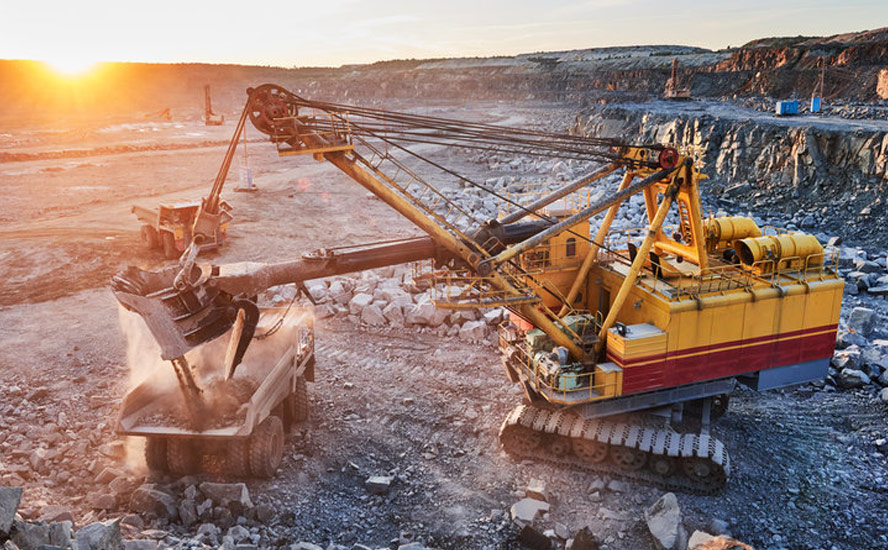
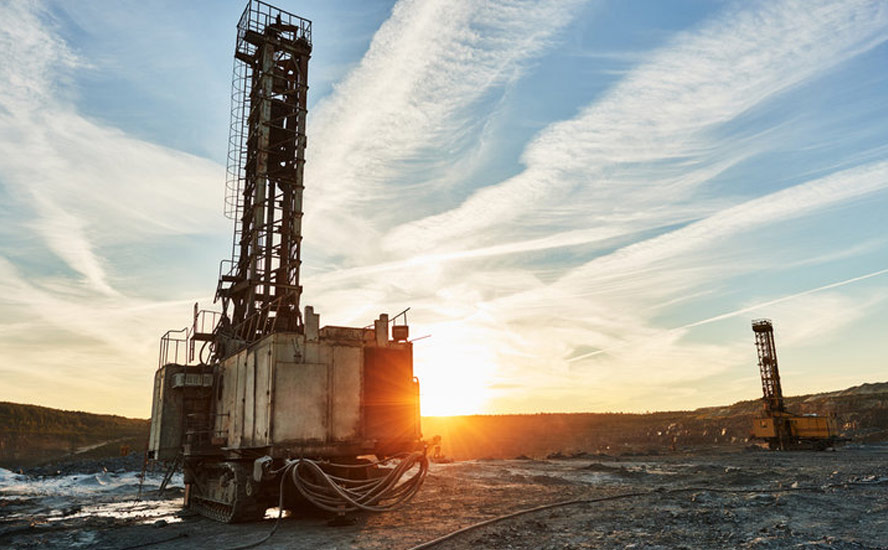
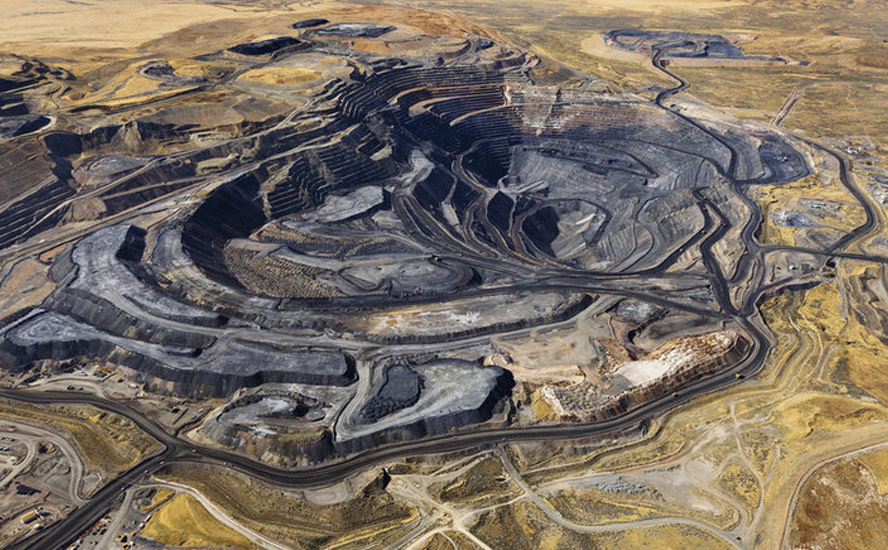
Parallel to the deepening of Super Pits is the transition toward district-scale exploration. Instead of treating a mine as an isolated deposit, majors and mid-tiers are locking up entire geological corridors.
This hub-and-spoke model utilizes a central processing facility fed by multiple satellite pits or underground veins scattered across a 50-to-100-kilometer radius. This polymetallic approach insulates mining companies from price volatility in any single commodity. If gold dips, base metal outputs like copper or zinc can offset the margins within the same regional processing footprint.
The Don David Gold Mine is a district-scale mining operation in Oaxaca, Mexico owned by Goldgroup Mining.
It spans a 55-kilometer land package covering roughly 55,000 hectares along the San José structural corridor and is anchored by the underground Arista mine (yielding gold, silver, copper, lead and zinc processed at the nearby Aguila mill) and the silver-rich Alta Gracia mine.
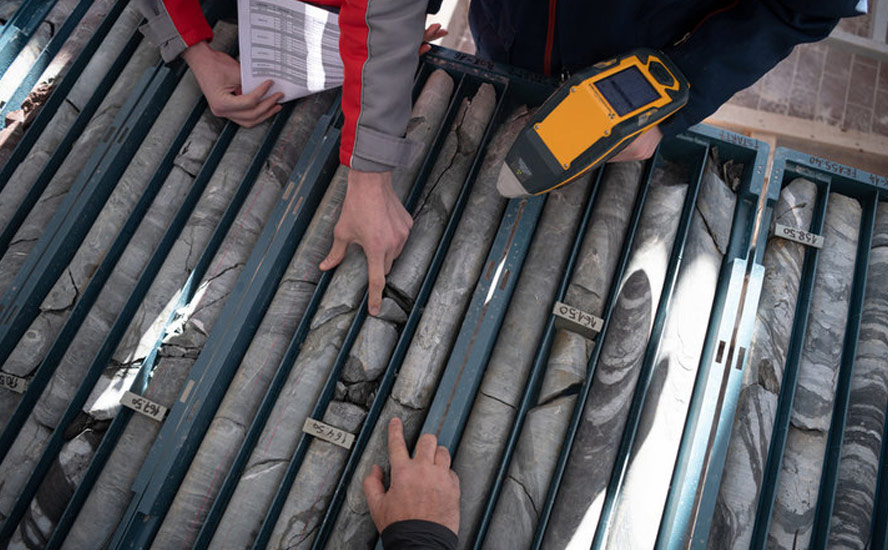
Don David features advanced and prospective satellite targets like Margaritas and El Rey, with ongoing resource definition and expansion drilling across multiple epithermal vein systems.
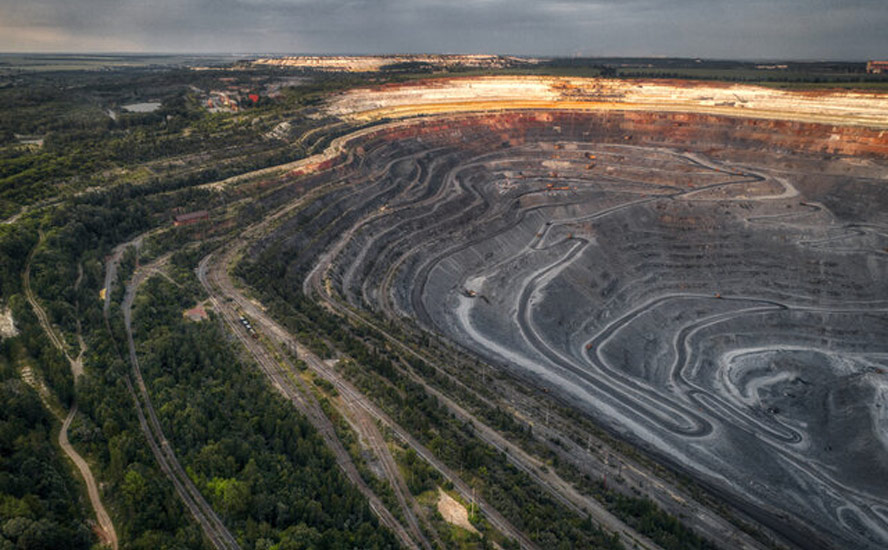
The shift toward district-scale exploration reflects a major evolution in how the mining industry secures its future. As easily accessible, near-surface deposits are depleted, mining companies can no longer rely on treating single mines as isolated assets. Instead, they are zooming out to secure and analyze entire regional systems.
Copper production to decrease for first time in 9 years
This strategic pivot is driven by several critical economic and geological realities:
Why District-Scale Exploration is Dominating
As massive open-pit mines grow deeper, operational costs skyrocket and stripping ratios become less favorable. Locking up the surrounding geological corridor allows companies to find nearby satellite deposits that can feed existing processing infrastructure, extending the life of the central hub without the massive capital expenditure of building a new mill.
Mineralizing systems are rarely localized events. By controlling tens or hundreds of kilometers of a structural trend (such as a major fault line or shear zone), explorers can apply modern, large-scale geophysical and geochemical modeling to identify hidden traps where multi-million-ounce deposits might sit.
Mid-tiers and majors are aggressively buying up junior explorers who hold strategic ground adjacent to their operations. This consolidates land packages, removes boundary restrictions for exploration teams, and prevents competitors from gaining a foothold in the jurisdiction.
Finding three or four smaller deposits within a 50-kilometre radius of a central processing plant is often much more profitable than trying to find one standalone “tier-one” deposit in a remote, undeveloped region.
Ultimately, this trend is turning the traditional mining model on its head. Companies are transitioning from being simple operators of individual mines to becoming managers of sprawling regional mineral ecosystems.
The race for copper has triggered unprecedented district-scale consolidation across the globe. Because copper porphyry systems are massive and require massive capital, major players are moving away from single-asset logic. Instead, they are locking up whole structural corridors to build massive, unified production hubs fed by clustered deposits.
Copper and gold senior merger and acquisition activity
Three major real-world examples illustrate how this is playing out in the copper markets:
The Vicuña District (Chile / Argentina)
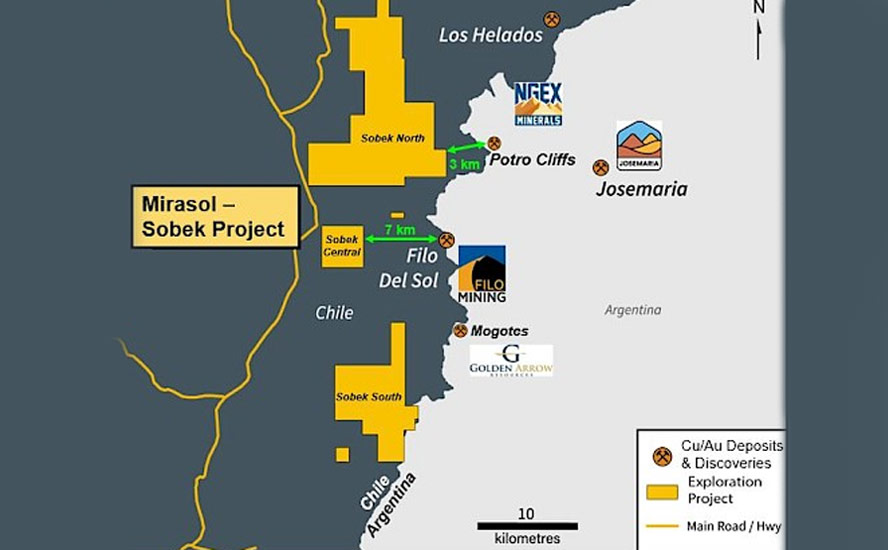
The Vicuña District, straddling the border of Chile and Argentina, is the modern poster child for district-scale copper consolidation.
For years, the district was fragmented between different corporate owners holding adjacent world-class porphyry assets like Filo del Sol, Josemaría, and Nglo-Altar. Recognizing that these deposits are part of the exact same massive, linked epithermal-porphyry system, BHP and Lundin Mining executed a massive $3.03 billion joint venture buyout to acquire Filo Corp.
By consolidating the district under a single joint venture, they erased artificial border and corporate lines. They can now design mega-infrastructure (processing mills, water pipelines, and power grids) that serves multiple deposits collectively, rather than building multi-billion dollar standalone facilities for each.
Mantoverde-Santo Domingo District (Chile)
In Chile’s Atacama Region, companies are systematically scooping up intermediate land packages to unlock infrastructure synergies between existing mines.
Capstone Copper already controlled the major Mantoverde and Santo Domingo properties. They executed a strategic district consolidation by acquiring the San Pietro copper concessions. San Pietro added roughly 16,000 hectares of underexplored ground sitting directly between their two main assets.
This wasn’t just about adding tonnes to their resource book. Securing the intervening “corridor” allows Capstone to seamlessly tie their pipelines, tailings management, and hauling routes together, turning two isolated operations into one integrated, district-scale mining complex.
The Batchewana Copper Belt (Ontario, Canada)
District-scale exploration isn’t exclusive to South American porphyry belts; it is aggressively playing out in tier-one, under-explored stable jurisdictions like Canada.
Sterling Metals completed an all-share acquisition of QcX Gold to push their footprint past 35,000 hectares across northern Ontario’s emerging copper porphyry district.
Instead of poking holes in an isolated claim block, the consolidated land package gives them uninterrupted control over the structural trends surrounding the Soo Copper Project and the historic Tribag copper mining camp. They can now apply regional airborne geophysics across the entire belt to track the system’s true depth and extent, a feat that would be impossible with fractured land ownership.
Copper and silver usage in data centers, robotics and solid state batteries
Junior copper explorers have entirely shifted their playbooks. Few exploration juniors have the immense capital or technical expertise required to actually build a modern copper mine. Instead, their primary business model has become engineering the perfect corporate exit—shaping their assets and corporate structure specifically to be swallowed by a cash-flush major or mid-tier producer looking to feed a district hub.
With the industry focusing heavily on brownfield and district-scale integration, successful junior miners are adapting through four distinct strategic pivots:
The “Path to the Mill” Strategy (Infrastructure Proximity)
Majors are increasingly avoiding “greenfield” projects in ultra-remote regions because building standalone processing plants and tailings facilities is cost-prohibitive.
Juniors are intentionally staking or buying land packages that sit within trucking distance of an existing major operator’s mill or infrastructure hub.
An undeveloped copper deposit is worth significantly more to a nearby producer who can simply run the ore through their existing mill than it is to a junior that faces a wall of dilution trying to fund a new facility. Juniors like Marimaca Copper and Cascadia Minerals have leveraged this geographical advantage.
Securing the “Strategic Sponsor” Early
Rather than drilling blindly and hoping for a buyout at the end, juniors are inviting majors onto their share registries early through private placements or strategic joint ventures.
A junior will give up 7% to 19.9% of its equity to a major in exchange for cash and technical validation. For example, Teck Resources recently took a 9.9% cornerstone stake in Intrepid Metals to back their Corral Copper project in Arizona, while Rio Tinto previously executed similar entry plays with Arizona Sonoran.
It acts as a de facto “right of first refusal” or a bridge to an eventual takeover. The major gets to quietly look at the data, while the junior gets funded without cratering its stock price through predatory retail raises.
Regional “Land-Grabbing” and Junior-to-Junior Mergers
Majors do not want to negotiate with five different small companies to unlock a single geological trend. They want a clean, aggregated land package.
Ahead-of-the-Herd juniors are acting as the initial consolidators. They use their own stock to merge with or acquire smaller, cash-strapped neighbors to stitch fractured regional claims into a single, massive district-scale package.
By doing the messy legwork of consolidating the district first, the junior presents the major with a turnkey, regional-scale asset that fits perfectly into a “Super Pit” or district corridor model.
Cleaning the Corporate Structure
A stellar copper deposit trapped inside a company with a toxic corporate structure will be passed over by majors.
Juniors are fiercely protecting their capital structures. This means avoiding death-spiral financing, keeping the share count tight, clearing out weird legacy royalties, and ensuring they have spotless Environmental, Social, and Governance (ESG) data from day one.
Majors are highly sensitive to legal, social, and environmental liabilities. A junior that has already de-risked local community relationships and baseline permitting is a plug-and-play acquisition target that can be integrated seamlessly.

Legal Notice / Disclaimer
Ahead of the Herd newsletter, aheadoftheherd.com, hereafter known as AOTH.Please read the entire Disclaimer carefully before you use this website or read the newsletter. If you do not agree to all the AOTH/Richard Mills Disclaimer, do not access/read this website/newsletter/article, or any of its pages. By reading/using this AOTH/Richard Mills website/newsletter/article, and whether you actually read this Disclaimer, you are deemed to have accepted it.