 RSS Subscribe
Torr Metals targets potential porphyry source at Bertha Zone and expands district-scale Cu-Au corridor with new Kova target – Richard Mills
2026.05.16
On Wednesday, April 15 Torr Metals (TSXV:TMET) provided an exploration update at its 332-square-kilometer Kolos Copper-Gold Project in southern British Columbia, where crews have recently mobilized to site.
At the Bertha Zone, geophysical work continues to advance the company’s understanding of a large, structurally controlled copper-gold system discovered through inaugural Phase I drilling in late 2025.
Phase II drilling will initially focus on the Bertha North target, along strike of the current known extent of a northwest-trending picrite corridor, identified as a strong geochemical and structural concentrator of copper mineralization. Here, a previously untested moderate to high-resistivity geophysical anomaly (with corresponding moderate to low conductivity) suggests the presence of a large intrusive unit adjacent to a near-vertical picrite contact; a potential intrusive source and key driver to the system together with improved structural architecture not encountered in Phase I (Figure 1A, 1B).
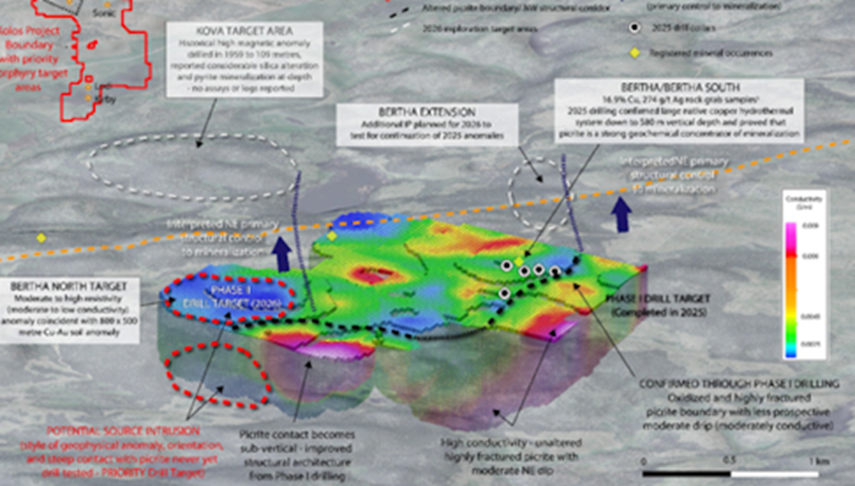
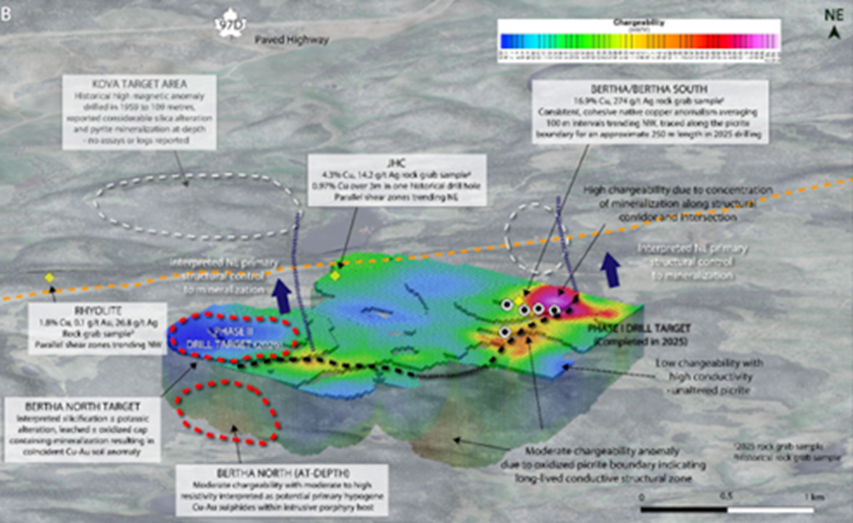
This interpretation is supported by a coincident chargeability anomaly strengthening at depth where intersections with large-scale northeast structures further enhance these zones, creating favorable settings for the concentration of porphyry-style intrusions. Collectively, this work represents a significant advancement from the initial discovery of an extensive hydrothermal native copper system, focused along contacts with a reactive picrite unit, to targeting a delineated potential porphyry intrusion along that same contact. Currently ongoing geophysical surveys will also test for a similar signature to the northeast of Phase I drilling within the Bertha Extension target area.
A secondary potential porphyry system has also been identified at the newly identified Kova target, located approximately 2.2 kilometers to the northeast of Bertha North (Figures 1A, 1B).
“Phase I was the first-ever drilling at Bertha and successfully confirmed the presence of a large hydrothermal native copper system along the picrite contact, but importantly, it also demonstrated that we had not yet reached the core of the porphyry system,” Dorsey stated in the April 15 news release. “What has changed is that we now have clear structural and geophysical vectors pointing toward a resistive intrusive target at Bertha North, which we interpret as a potential source and key driver of the system. Phase II is designed to directly drill test this target, representing a meaningful step forward from defining the system to targeting its underlying source. At the same time, current geophysical work is focused on identifying whether similar source signatures exist to the northeast of our Phase I drilling and at Kova, as we continue to expand and refine high-priority targets.”
Bertha Zone
Torr Metals is poised to drill 6,000 meters at two drill targets: Bertha and Lodi-Kirby. The priority is Bertha.
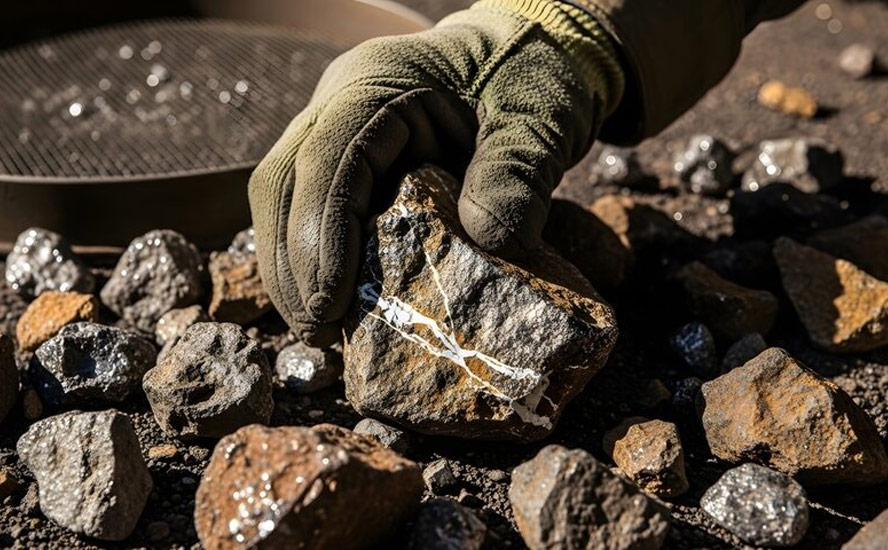
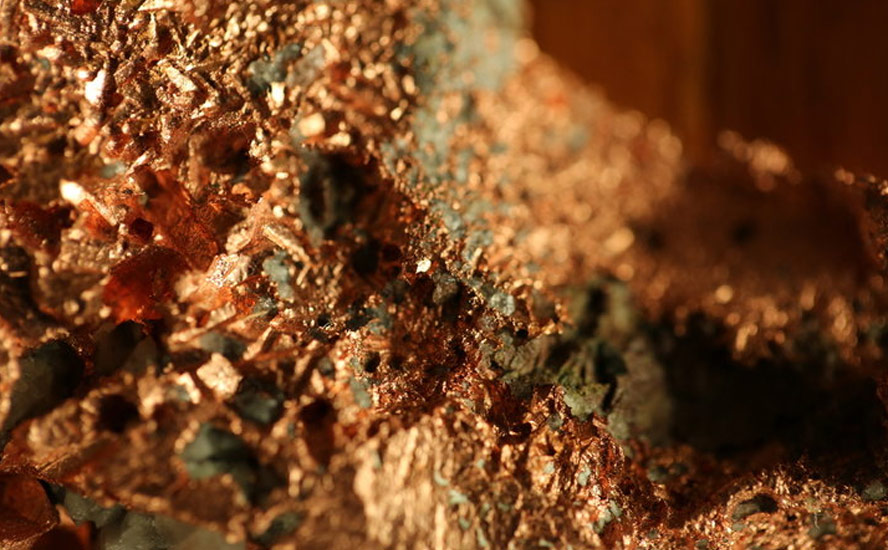
An initial 2,733-meter drill program at Bertha confirmed a large native copper system. Drilling intersected 68 intervals of native copper mineralization, defining a large hydrothermal system extending to approximately 580 meters depth.
Mineralization is being traced along a conductive picrite contact, interpreted as a structural and geochemical control, toward a more resistive intrusive target at Bertha North which is a potential source of the system in addition to vectors indicating a high degree of prospectivity northeast of Phase I drilling (Figure 1A, 1B).
Soils at Bertha North point to a large system below: An 800 by 500-meter copper-gold soil anomaly is interpreted as a surface expression of an underlying porphyry system hosted within a resistive intrusive unit.
Phase I drilling successfully intersected hydrothermal copper mineralization with porphyry-style alteration focused along structurally controlled pathways and intersections, supported by near-surface chargeability signatures.
Building on these results, Phase II drilling will target moderate to high-resistivity bodies with coincident chargeability at depth; an increasingly refined source intrusion porphyry signature derived from Torr’s evolving exploration model. Near-surface resistivity highs and low chargeability are interpreted to reflect silicified, oxidized, or potassically altered intrusive rocks, transitioning at depth to moderate chargeability consistent with the potential development of primary hypogene sulfide mineralization (Figures 1A, 1B).
The Kova target expands the system along a NE trend. Located along a primary structural control to mineralization approximately 2.2 kilometers from Bertha North, the new Kova target is defined by an identical magnetic geophysical anomaly. Historically, a single 109m vertical drill hole intersected strong silica and pyrite, consistent with phyllic alteration suggestive of potential proximity to a separate porphyry center (Figures 1A, 1B). In addition, approximately 200 reconnaissance soil samples are currently being collected to further assess and refine the target area.
Field crews are currently conducting reconnaissance sampling, drone magnetics, and induced polarization (IP) surveys to refine targets ahead of Phase II drilling planned for the second quarter of 2026.
Kolos Copper-Gold Project
The 332 km2 Kolos Copper-Gold Project contains Nicola Belt geology along trend and with similar attributes to alkaline and calc-alkaline copper ± gold ± molybdenum porphyry mines at Copper Mountain, Highland Valley and New Afton.
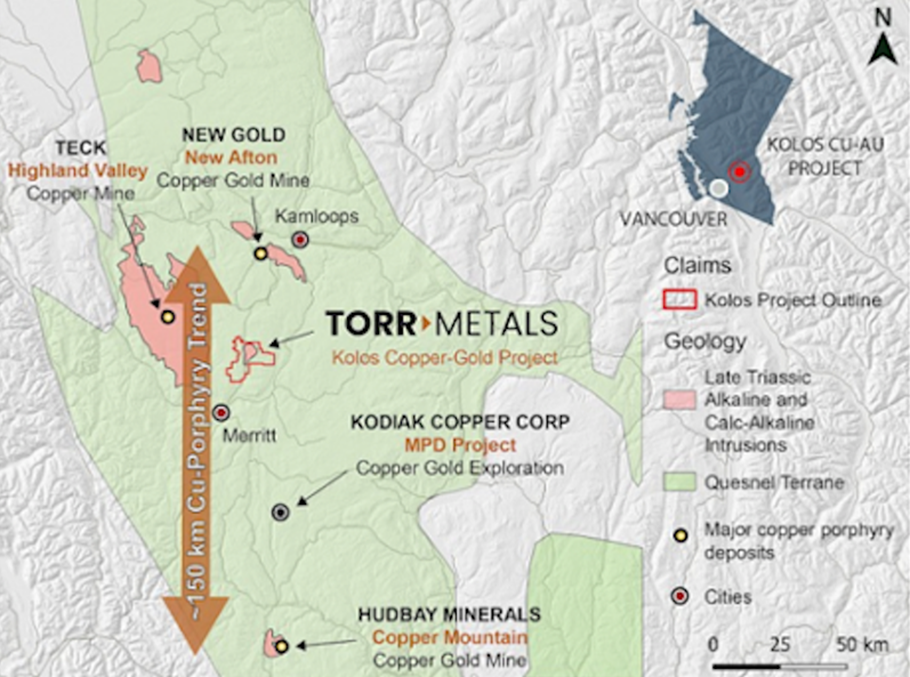
The project is adjacent to Highway 5, the Coquihalla Highway, with year-round access and operation potential via forestry service roads and substantial infrastructure provided by the city of Merritt located 23 km to the south.
Kolos lies within the Quesnel Terrane, a prolific porphyry belt in British Columbia that is host to major deposits and long-lived mines that within the region largely consist of Late Triassic calc-alkaline and alkaline intrusions, including Highland Valley (30 km northwest), New Afton (30 km north), and Copper Mountain (106 km south) deposits.
Regional exploration occurred from the 1960’s through to the late 1980’s as a result of the porphyry copper-molybdenum discoveries at Highland Valley. There have been at least 10 operators within the Kolos Project area since the 1960’s that defined six significant copper and gold occurrences: Ace, Kirby, Lodi, Rea, Helmer and Clapperton. Intermittent historical work at these occurrences includes rock and soil geochemical sampling, trenching, and EM geophysical surveys.
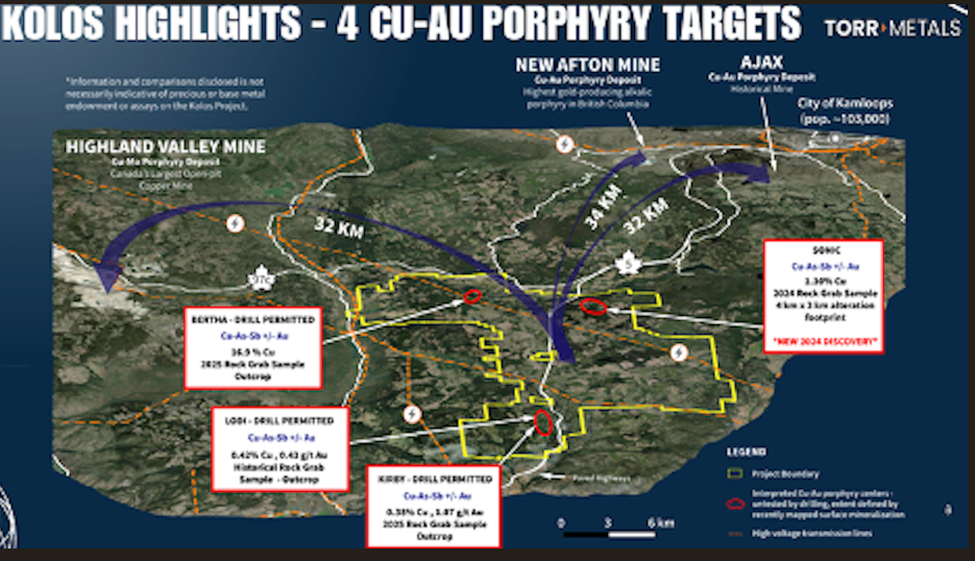
Kolos Project boundary with known copper and gold mineral occurrences annotated with select historical rock grab samples.
Through its own exploration, Torr has vectored four copper-gold porphyry targets: Bertha, Sonic, Lodi and Kirby — with surface geochemical anomalies covering a combined 15.5 square kilometers. All except Sonic are permitted for drilling.
Conclusion
According to Dorsey, this year’s field program started with geophysics to test the expansion potential to the northeast of the Bertha Zone where Torr focused its initial drilling. That drilling confirmed Bertha as the peripheral expression of a large alkalic porphyry system with a very extensive supergene-style mineralization alteration within it.
“It also defined those drawn vectors going towards the northeast, so we need to expand on that with IP, see where it leads us. And then at the same time we’ll run that IP to get deeper penetration at the “new” Bertha North target,” he told me in January.
“We need to see what the geometry of the underlying chargeability anomaly is, and that will set the stage for our Phase II drill program, so we’ll follow the IP with drilling and altogether I would say this produces basically two high-quality shots on two vectored porphyry systems.”
As Dorsey states, Torr now has clear structural and geophysical vectors pointing toward a resistive intrusive target at Bertha North, which it interprets as a potential source and key driver of the system.
Phase II is designed to directly drill test this target. At the same time, current geophysical work is focused on identifying whether similar source signatures exist to the northeast of Phase I drilling and at Kova.
When Phase II drilling gets underway in the second quarter, it will be interesting to see whether Torr’s geological model is correct, potentially leading to discovery of one or more copper-gold porphyries at the Kolos project.
Torr Metals
TSXV:TMET
2026.04.15 Share Price: Cdn$0.11
Shares Outstanding: 31.8m
Market Cap: Cdn$9.2m
TMET website
Richard (Rick) Mills
aheadoftheherd.com

Subscribe to AOTH’s free newsletter
Richard owns shares of Torr Metals (TSXV:TMET). TMET is a paid advertiser on his site aheadoftheherd.com This article is issued on behalf of TMET
Legal Notice / Disclaimer
Ahead of the Herd newsletter, aheadoftheherd.com, hereafter known as AOTH.Please read the entire Disclaimer carefully before you use this website or read the newsletter. If you do not agree to all the AOTH/Richard Mills Disclaimer, do not access/read this website/newsletter/article, or any of its pages. By reading/using this AOTH/Richard Mills website/newsletter/article, and whether you actually read this Disclaimer, you are deemed to have accepted it.