 RSS Subscribe
The rise of the Super Pits – AOTH
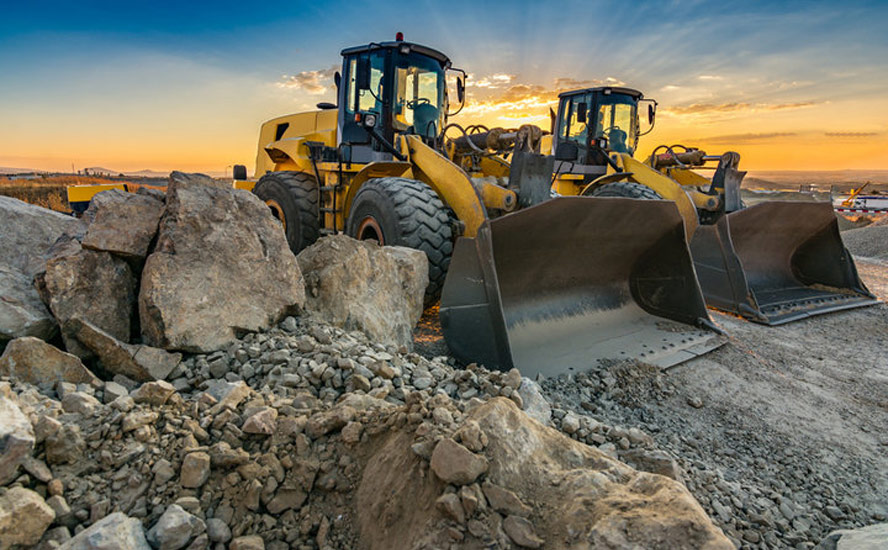
The mining industry is undergoing a structural shift driven by an unprecedented surge in metals demand for AI data centers, electrical grids and robotics. As high-grade greenfield discoveries become exceedingly rare and capital-intensive, the sector is prioritizing multi-metal “Super Pits” and district-scale brownfield expansions. This strategy leverages existing infrastructure, maximizes economies of scale, and reduces geopolitical and permitting risks.
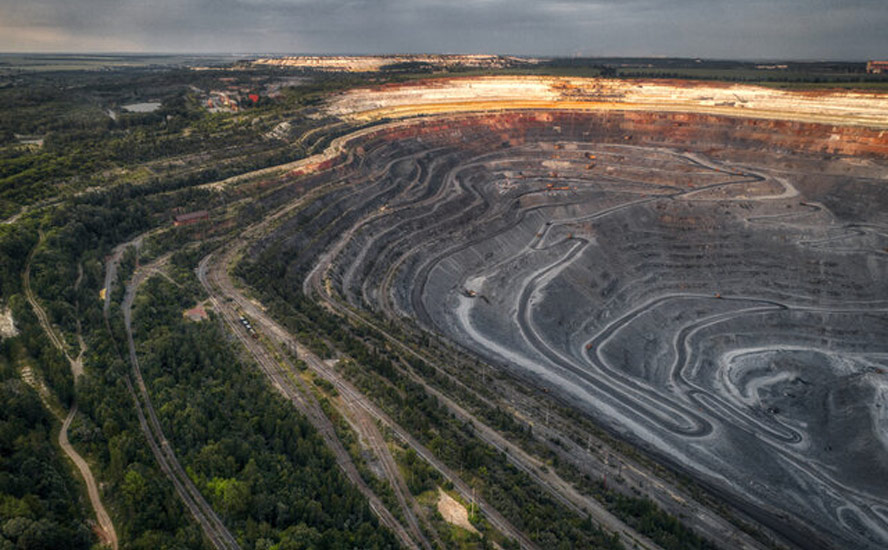
A “Super Pit” refers to the amalgamation or massive scale-up of existing mining footprints to unlock deep-seated ore bodies through volume. Rather than incurring the 15-year timeline typically required to discover, permit and construct a brand-new mine, operators are choosing to double down on mature assets.
Massive throughput cuts the production cost per ton. Bigger pits allow operations to remain profitable even when processing lower-grade ore, extending the life of the mine by decades.
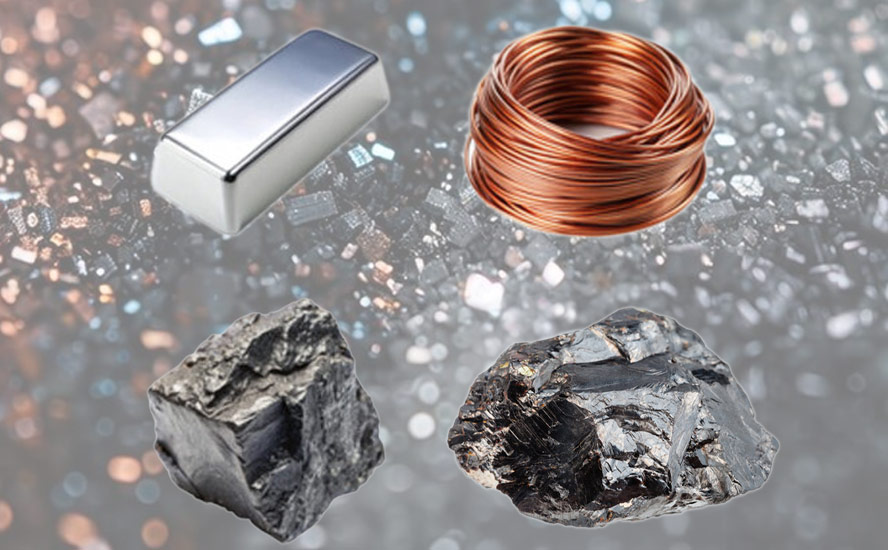
Because standalone high-grade deposits are rare, modern Super Pits are designed to capture polymetallic mineralization streams (e.g., copper-molybdenum, zinc-lead-silver). Concurrently, elevated commodity prices have made the reprocessing of legacy tailings a highly profitable secondary revenue stream within these giant footprints.
Mining companies are prioritizing brownfield projects rather than new ones, according to a recently published study by the University of Queensland. According to the study, the increasing demand for critical minerals for the energy transition is accelerating this trend.
A study published on Jan. 22, 2026, in the journal One Earth indicates that mining companies are increasingly prioritizing the expansion of existing sites over opening new ones. This trend toward brownfield mining is driven by the global demand for clean energy infrastructure, specifically for minerals such as copper, cobalt, and lithium. While new mining projects can take up to 15 years to permit and develop, brownfield expansions allow for faster extraction but often receive less regulatory scrutiny regarding their long-term cumulative effects.
– Brownfield Expansion Overtakes New Mine Development: Study
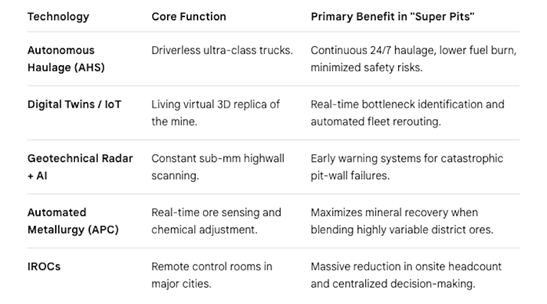
As open pits deepen past 500 to 800 meters, extracting ore requires a scaling of electrical and logistics capacity. Mega-mines are pushing equipment suppliers to build heavier, higher-voltage machinery. To safely manage these immense environments, companies are deploying massive laboratory automation, advanced AI sensors, and autonomous haulage fleets.
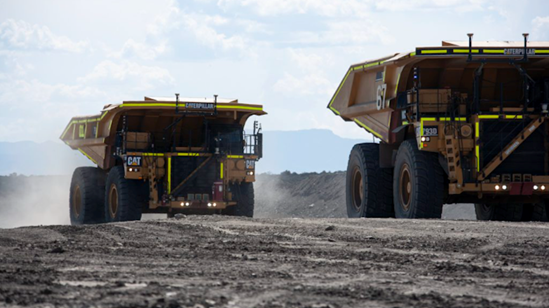
Platforms like Caterpillar’s Command for Haulage and Komatsu’s Front Runner navigate deep pits using high-precision GPS, LiDAR and radar networks. At sites like Australia’s KCGM Super Pit or large copper mines in Chile, these trucks optimize hauling cycles by eliminating shift-change delays, minimizing abrupt braking, and maintaining consistent speeds. This results in a 10% to 15% reduction in fuel consumption and significantly lowers tire wear.
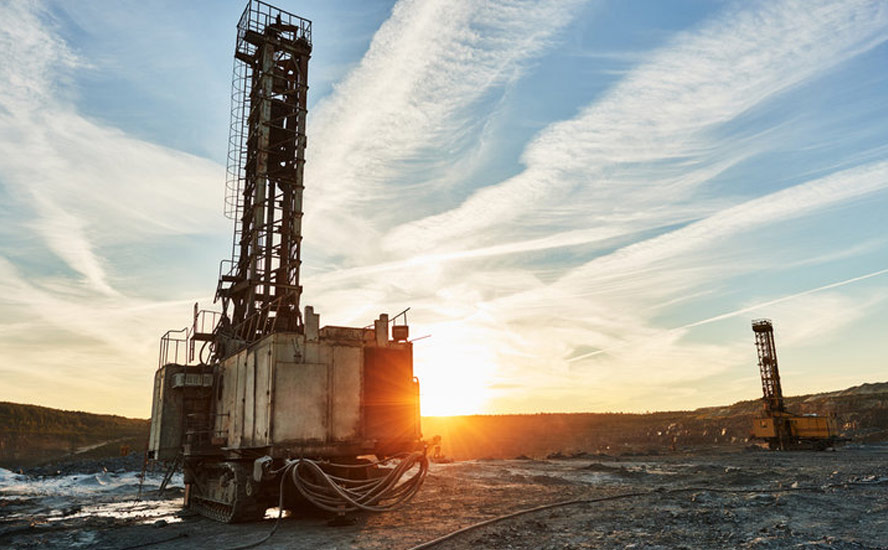
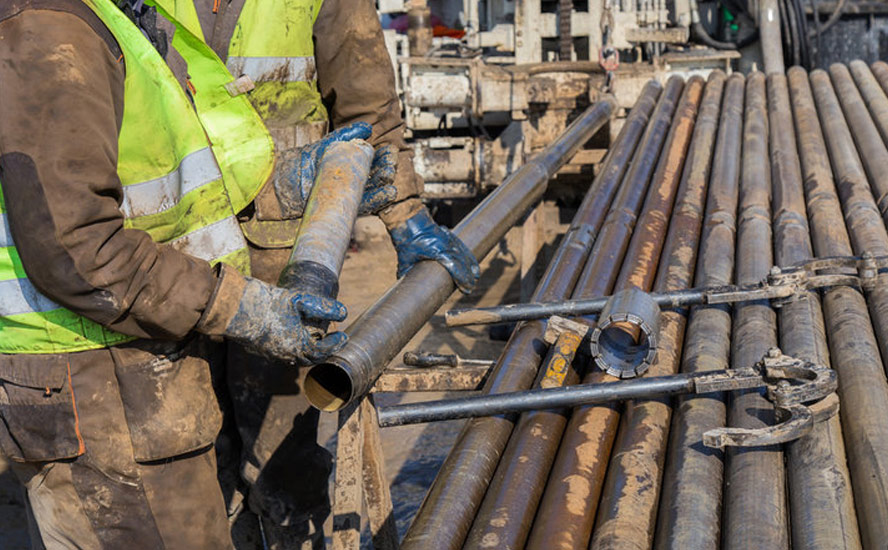
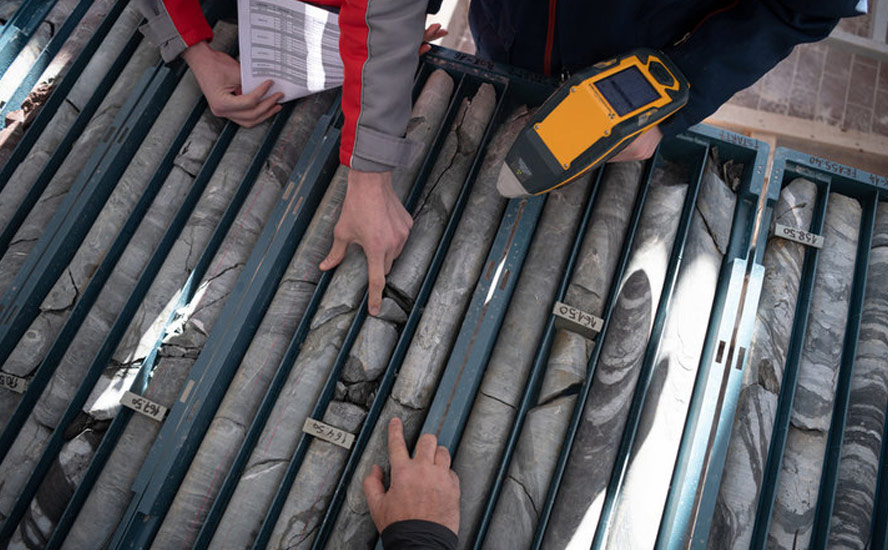
Drill rigs such as the Epiroc Pit Viper series utilize automated, multi-pass drilling software. These rigs navigate autonomously from hole to hole, leveling themselves, drilling to exact design depths, and logging real-time rock hardness data (measure-while-drilling). This data is immediately fed back into blast design models to optimize fragmentation.
The nerve center of the modern Super Pit is rarely located at the mine site. Major producers run their giant assets via IROCs (Integrated Remote Operations Center) located hundreds or even thousands of kilometers away in major metropolitan hubs (e.g., BHP and Rio Tinto in Perth, or Newmont’s regional centers).
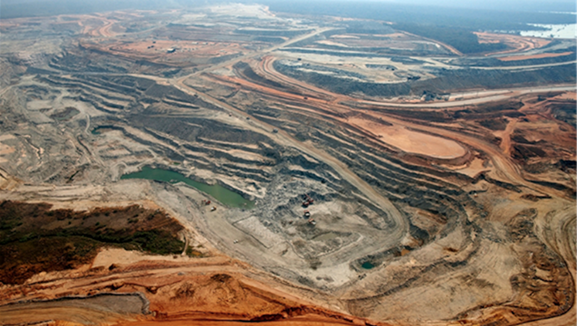
Barrick’s Lumwana Super Pit was officially launched in October 2024.
Construction ramped up through 2025 and 2026, with completion and first production targeted for 2028.
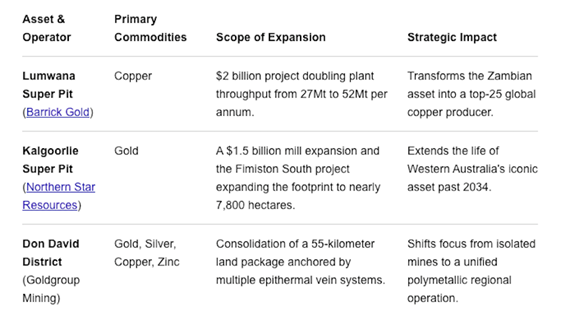
The $2 billion project will double plant throughput and increase annual copper production to an average 240,000 tonnes.
The expansion involves first doubling throughput of the existing process circuit and then significantly increasing mining volumes. Plant throughput will grow from the current 27Mt to 52Mt, doubling the mine’s annual copper production from 120kt to a life-of-mine average of 240kt a year. The process plant expansion is supported by a ramp-up of total mining volumes, which are planned to increase incrementally year-on-year, from 150Mt in 2025 to approximately 240Mt in 2028 and then to an average rate of 290t per annum from 2030 onwards.
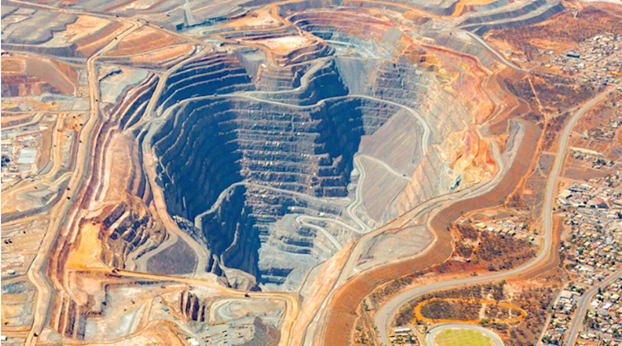
The Kalgoorlie Super Pit (officially the Fimiston Open Pit) is one of the largest open-cut gold mines in the world, measuring roughly 3.5 kilometers long, 1.5 kilometers wide, and over 600 meters deep.
The mine — built in 1989 through the consolidation of many smaller underground mines along the famed “Golden Mile” — is located on the edge of Kalgoorlie-Boulder, Western Australia about 600 km east of Perth. It is managed by Kalgoorlie Consolidated Gold Mines (KCGM) for Northern Star Resources.
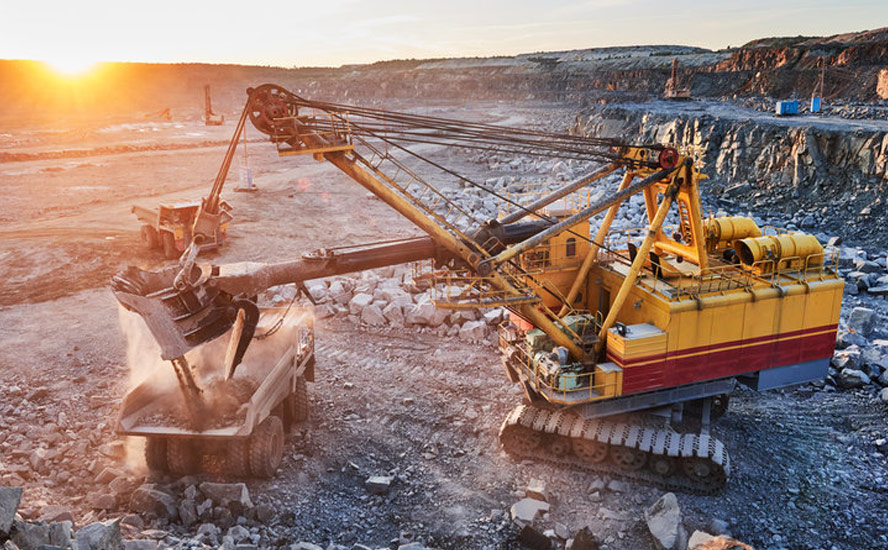
The operation runs 24/7 utilizing massive haul trucks and giant mechanical shovels. The Super Pit produces around 850,000 ounces of gold each year.
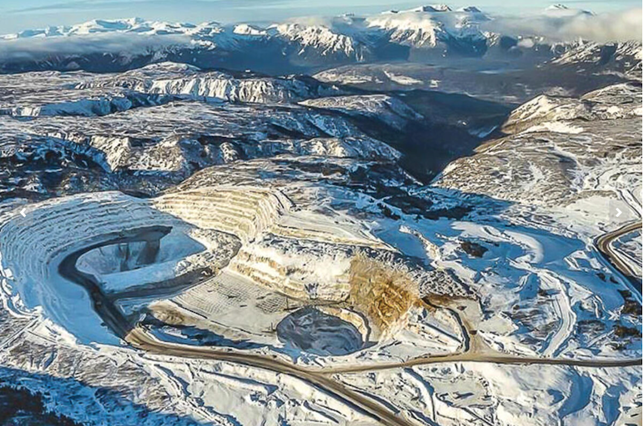
Following its acquisition of Newcrest, Newmont secured critical regulatory approvals for a major underground block cave expansion at the Red Chris mine. This secures decades of copper-gold upside, turning northwest British Columbia into a premier multi-metal mining district.
Red Chris is 70% owned by Newmont and 30% by Imperial Metals. The expansion extends the mine’s operation into the 2040s and is projected to increase Canada’s annual copper production by over 15%.
Parallel to the deepening of Super Pits is the transition toward district-scale exploration. Instead of treating a mine as an isolated deposit, majors and mid-tiers are locking up entire geological corridors.
This hub-and-spoke model utilizes a central processing facility fed by multiple satellite pits or underground veins scattered across a 50-to-100-kilometer radius. This polymetallic approach insulates mining companies from price volatility in any single commodity. If gold dips, base metal outputs like copper or zinc can offset the margins within the same regional processing footprint.
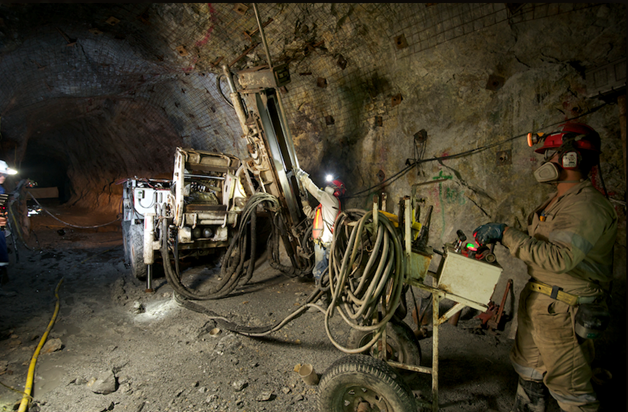
The Don David Gold Mine is a district-scale mining operation in Oaxaca, Mexico owned by Goldgroup Mining.
It spans a 55-kilometer land package covering roughly 55,000 hectares along the San José structural corridor and is anchored by the underground Arista mine (yielding gold, silver, copper, lead and zinc processed at the nearby Aguila mill) and the silver-rich Alta Gracia mine.
Don David features advanced and prospective satellite targets like Margaritas and El Rey, with ongoing resource definition and expansion drilling across multiple epithermal vein systems.

Legal Notice / Disclaimer
Ahead of the Herd newsletter, aheadoftheherd.com, hereafter known as AOTH.Please read the entire Disclaimer carefully before you use this website or read the newsletter. If you do not agree to all the AOTH/Richard Mills Disclaimer, do not access/read this website/newsletter/article, or any of its pages. By reading/using this AOTH/Richard Mills website/newsletter/article, and whether you actually read this Disclaimer, you are deemed to have accepted it.