 RSS Subscribe
Welcome to the future: the automated transportation system – Richard Mills
2026.08.13
Imagine a world in which a package is transported from point A to point B without ever touching human hands. A world where robots build and assemble parts on a factory floor that is completely automated — perhaps overseen by a flesh and blood person hundreds of kilometers away. Where products are packaged by machines, loaded onto pallets and shipped via driverless trucks, trains and planes to their destination — likely a central warehouse — where localized orders are processed and the packages flown direct to the doorstep using delivery drones.
If this sounds like something out of the Jetson’s, you may be surprised to learn that most of this technology already exists. Or if it doesn’t, it will be developed very soon, thanks to rapidly evolving artificial intelligence.
AI is seen as a new industrial revolution, with the unprecedented ability to unlock the constraints of the human mind. Perceived as one of the most interesting and powerful innovations that will shape the next 100 years, AI’s potential for radical industrial and social transformation is on par with the invention of the steam engine, electricity, and the personal computer.
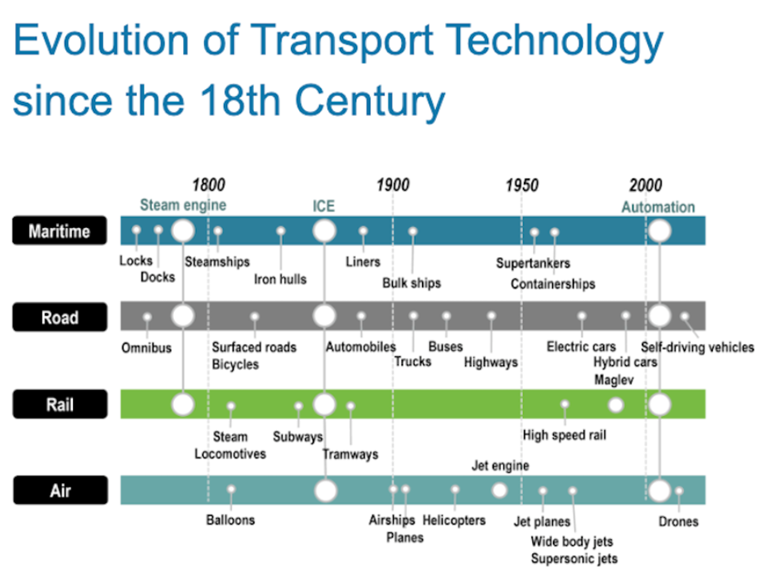
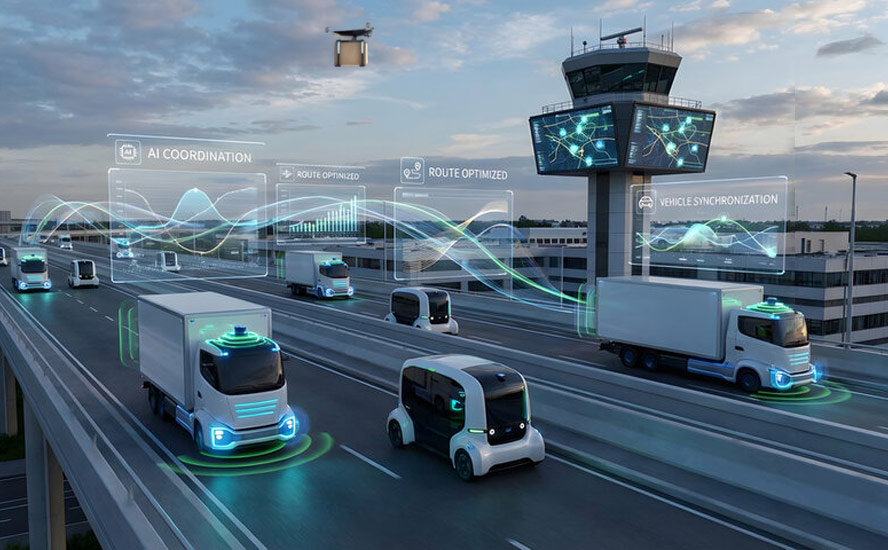
Automated vehicles are often pointed to as the poster child for artificial intelligence, with great strides having been made in recent years to dispatch driverless vehicles to easily-driven routes.
But we’ve gone way beyond the electrification and automation of the passenger vehicle and commercial truck transportation system. We are entering remote, pilotless operation of every form of transportation for goods and services and people.
Here we take a deep dive into the increasing automation of the global transportation system, including examples, effects and challenges.
Driverless cars and trucks
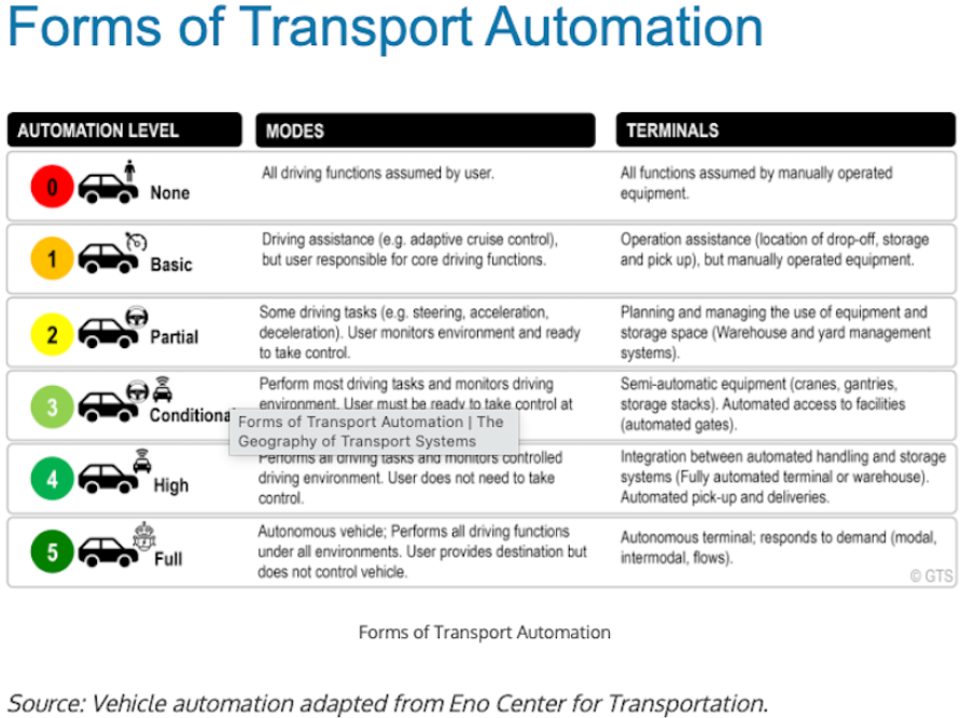
In 2018, Waymo, the product of Google’s self-driving car project, officially started its commercial self-driving car service in the suburbs of Phoenix. Widely considered the undisputed global leader in commercial driverless deployment, Waymo operates robotaxi operations across major US cities.
(A robotaxi is an autonomous, self-driving vehicle operated for an on-demand ride-hailing service. Passengers use a mobile app to request a ride, enter their destination, and get picked up and dropped off just like a traditional taxi or rideshare — except there is no human driver behind the wheel.)
Owned by Amazon, Zoox specializes in custom-built, two-directional robotaxis designed specifically for dense urban passenger transport.
Baidu (Apollo Go) is the dominant force in China, running massive fully driverless commercial fleets in multiple major urban areas.
WeRide and Pony.ai are leading Chinese autonomous driving tech companies scaling up commercial Level 4 robotaxi and autonomous truck deployment globally.
Companies offering Advanced Driver-Assistance (ADAS) include Tesla, Mercedez-Benz, BMW, Xpeng, Li Auto and Huawei.
Nvidia powers the real-time AI computing platforms, deep learning, and simulation architectures used by numerous third-party automakers to build autonomous fleets.
Mobileye supplies advanced driver-assistance vision systems and autonomous software to a vast percentage of the world’s leading traditional auto manufacturers.
The first truly driverless, heavy-duty trucks appeared around 2008, when Komatsu introduced autonomous haulage trucks at Australian mine sites. On public roads, partially autonomous semi-trucks like the Freightliner Inspiration debuted in 2015, while fully driverless commercial truck operations on public and semi-public freight routes began expanding in the early 2020s.
In 2016 Uber made history for making the first automated truck delivery, 50,000 cans of beer from a brewery in Fort Collins to Colorado Springs, 120 miles away.
Early milestones in autonomous trucking:
- 2008: Komatsu deployed fully autonomous, driverless mining haulage trucks in open-cut mines in Western Australia.
- 2015: Daimler introduced the Freightliner Inspiration, the first semi-autonomous truck licensed for open public highways in the US, though it still required a human driver behind the wheel.
- 2020-22: Gatik began commercial autonomous delivery pilots, eventually removing safety drivers from the front seat for short-haul B2B distribution routes in Ontario and Arkansas.
- 2024: Kodiak Robotics launched fully commercial, driverless operations on dedicated freight routes in the United States.
Today, leading automated commercial truck companies include Aurora, Gatik, Kodiak Robotics, Waymo, and major truck manufacturers like Daimler Truck. These developers focus on self-driving technology for long-haul shipping or middle-mile B2B logistics.
Self-driving semi trucks are already operating on public highways and conducting commercial freight deliveries. Companies like Aurora, Kodiak, and Pony.ai are running driverless pilot routes and commercial long-haul runs — primarily across specific freight corridors in states like Texas — with broader commercial scaling projected into late 2026 and 2027.
Driverless commercial runs transport goods between hubs (such as Houston and Dallas) without safety drivers in the cab.
Large fleet operators and logistics companies are investing heavily to reduce costs tied to driver fatigue and mandatory rest breaks.
Manufacturers like Volvo plan to deploy hundreds of factory-built autonomous-ready trucks in cooperation with tech firms.
However, the sector faces challenges and limitations.
Most driverless trucks operate on structured highway segments rather than navigating complex city streets or end-to-end local delivery.
Trucking involves non-driving duties like fueling, chaining tires, inspecting cargo, and managing complex drop-offs that current AI cannot handle.
Laws vary significantly by region, and labor organizations strongly oppose pushing heavy commercial automation forward without safety safeguards.
Alisyn Malek, managing director of Newlab Detroit, a global mobility innovation hub, was asked by CNN where she sees autonomous vehicle technology by 2050.
“I think where we’re really going to see this technology take off is in the commercial space, where you have shorter trips,” she said. “When we think about being able to drive in every city, every dirt road, every country highway — that’s a lot to try to validate for. And so when we think about where these options can scale first, it’s going to be in these simpler areas. In some cities it might look like transportation from an airport to a downtown, so your next taxi or Lyft ride could be autonomous.”
According to The Geography of Transport Systems,it is self-driving trucks that may offer the most significant potential. The long-distance segment uses well-defined highways and stable driving conditions prone to automation. In such a setting, trucks can coordinate their respective mobility by assembling convoys (or platoons) where each vehicle follows the other closely, improving fuel consumption. Self-driving trucks can also service repetitive short-distance hauls, such as between ports, rail yards, and distribution centers. This can be highly disruptive from a labor standpoint since 3.5 million truck drivers were reported in the United States in 2021, representing the highest employment sector. The introduction of automated trucks is likely to be incremental and route-specific. Automated vehicles are already used at port terminals to move containers between docks and stacking yards.
Crewless ships
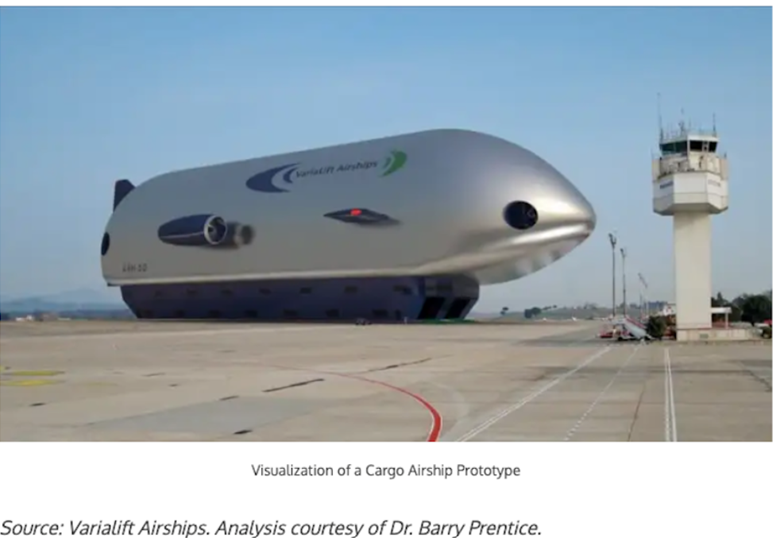
According to The Geography of Transport Systems, Airship technology has been available for more than a century. In the 1930s, large rigid airships were able to cross the Atlantic Ocean at 80 mph, carry up to 70 tons, while maintaining regular passenger schedules. However, due to rapid advances in propeller technology and safety concerns (e.g. the Hindenburg disaster of 1937), such technology was almost abandoned for commercial purposes. Airships were left to service small niche markets such as advertising and tourism. With advances in engineering, computers, engines, composite materials, and control systems, modern transport airships can be built to much higher standards and performance. For example, no current airship designs envision ground crews holding ropes. Modern airships would land autonomously, and cargo would be rolled on and off. They have a minimal footprint, require only a flat space to land, and can carry large heavy loads. They are also relatively affordable and sustainable. The most suitable markets that could see the application of airships concern supplying remote regions, particularly in the Arctic.
Pilotless cargo ships are already being tested and used for short trips, but fully crewless ships crossing open oceans will take many years. Small electric autonomous vessels like the ‘Yara Birkeland’ operate in Norway, and other regional projects use remote control.
Unmanned and autonomous barges operate in local coastal waters, inland waterways, and short sea routes in Europe.
Many experimental vessels use a hybrid model, monitored or guided by human operators from land control centers rather than sailing completely unmonitored.
Removing crew quarters frees up extra space for more cargo and eliminates onboard life-support systems.
However, deep-sea container ships still face major hurdles.
Unforeseen mechanical failures, fires, and sudden rough weather require human intervention that automated systems cannot yet reliably handle.
International maritime laws and the International Maritime Organization still require minimum human staffing for safety and liability reasons.
And large commercial vessels face risks of hacking, GPS spoofing, or remote hijacking by bad actors.
Pilotless planes
This technology is still in its infancy. But pilotless planes will happen, starting with cargo flights and small regional aircraft before commercial passenger jets. While the core artificial intelligence and automation technology is already being tested, widespread adoption faces strict regulatory hurdles, high insurance demands and public hesitation.
Unmanned cargo delivery and military logistics are leading the transition, acting as the testing ground for certification.
FedEx and UPS Will Soon Be Flying Pilotless Planes. How Safe Are They?
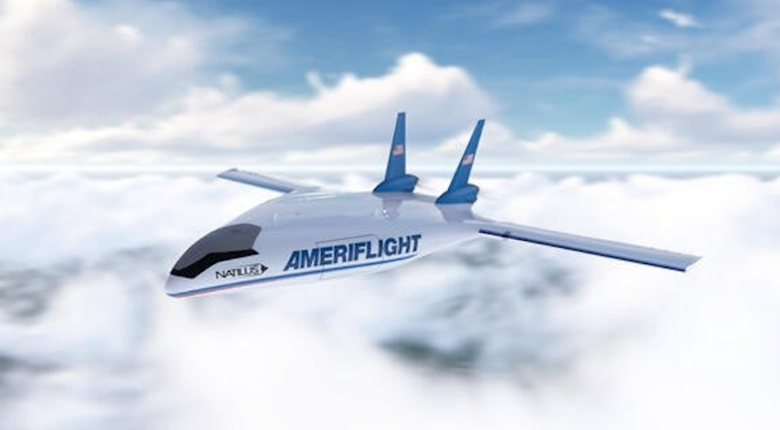
Commercial aviation will likely shift to a single-pilot cockpit model first, with remote ground support backing up the human before removing them entirely.
Fully pilotless commercial passenger flights on major airlines are still decades away from mainstream use.
Supersonic air travel
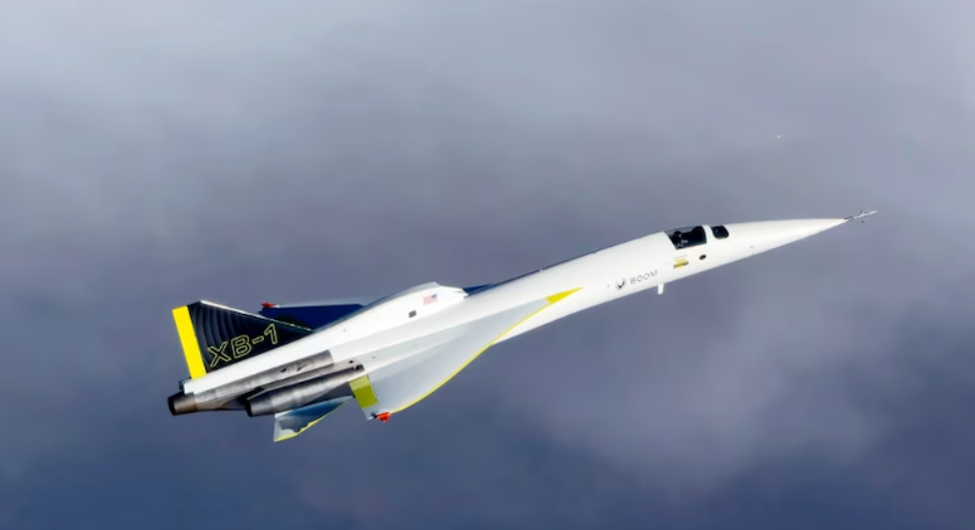
Meanwhile, a question has arisen whether commercial supersonic air travel will make a comeback. The experimental technology ended in 2003 when the Concorde was retired. High operating costs, extreme fuel consumption, strict bans on overland sonic booms, a tragic 2000 crash, and post-9/11 drops in travel demand made the service economically impossible to sustain without government subsidies.
CNN recently reported that the return of supersonic flights hinges on how to make it quiet:
The FAA in June reimagined rules on supersonic flight. The document includes switching from a speed-based to a noise-based standard and repealing the 1973 prohibition. The agency is aiming to finalize these new standards by mid-2027.
Delivery drones
Drones (or UAVs, short for unmanned aerial vehicles) are being flown in plenty of scenarios, some extremely useful. They are used to increasingly greater effect for scanning and mapping building sites; to help solve traffic problems; to drop supplies to disaster victims; for providing farmers with intel as to when is the best time to plant their crops, and how much fertilizer to use; for inspecting infrastructure like pipelines and power lines; surveying damaged buildings for insurance purposes; and by news media to capture aerial footage.
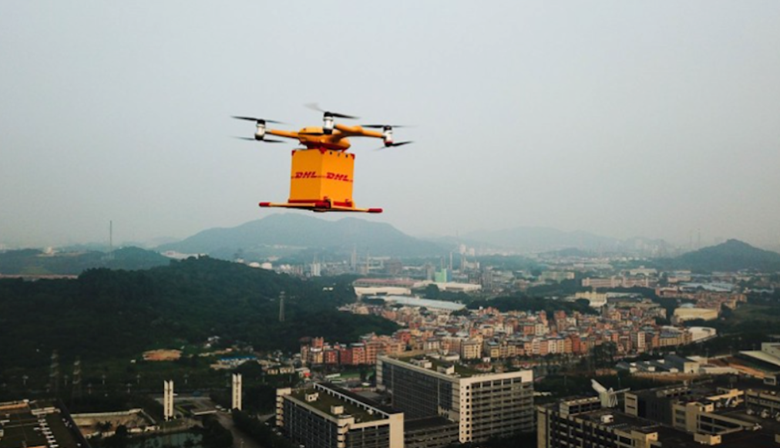
Drones deliver small, lightweight packages (usually under 5 lbs) directly from local hubs or stores to residential backyards or designated landing zones within minutes, using autonomous navigation, high-precision GPS, onboard artificial intelligence, and tethered winch drop systems.
Delivery drones are well suited for last-mile logistics, referring to the final step of a product’s journey from a local distribution hub or warehouse to the end customer’s doorstep. It is often the most expensive, complex, and time-sensitive part of the supply chain, focusing on fast delivery, route optimization, and customer satisfaction.
Along with being the final step in the online shopping experience, drones offer major potential in food transportation, where rapid delivery and temperature-sensitive handling are crucial for maintaining quality.
Companies including major retailers and logistics firms are piloting drone delivery services for packages, groceries and medical supplies, states Gotab. For example, Volatus Aerospace (TSXV:FLT) in 2025 secured approval from Transport Canada to launch automated drone services with partners Kongsberg Geospatial and MatrixSpace.
The role of batteries
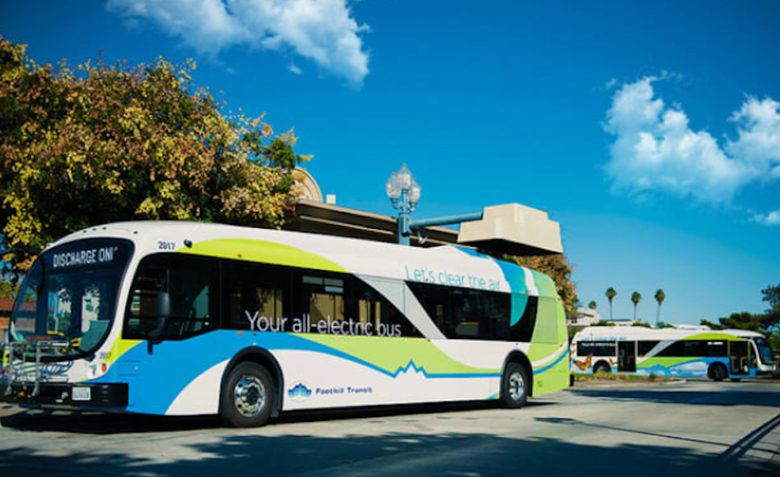
Batteries power automated transportation by supplying clean, reliable energy and instant electronic control. They drive autonomous mobile robots, automated guided vehicles, and self-driving electric vehicles, eliminating human drivers while supporting continuous, smart fleet operations.
High-density lithium packs store the large amounts of electricity needed for extended travel ranges without emissions.
They deliver fast power responses critical for precise robotic navigation, acceleration, and braking control.
Batteries allow automated warehouse systems and electric shuttles to run multiple shifts with quick charging or automated swapping.
Advanced battery management systems use smart monitoring to track health, temperature, and charge levels in real time.
Cloud connectivity links battery data with central routing systems to predict maintenance and prevent downtime.
Convergence of smart technologies
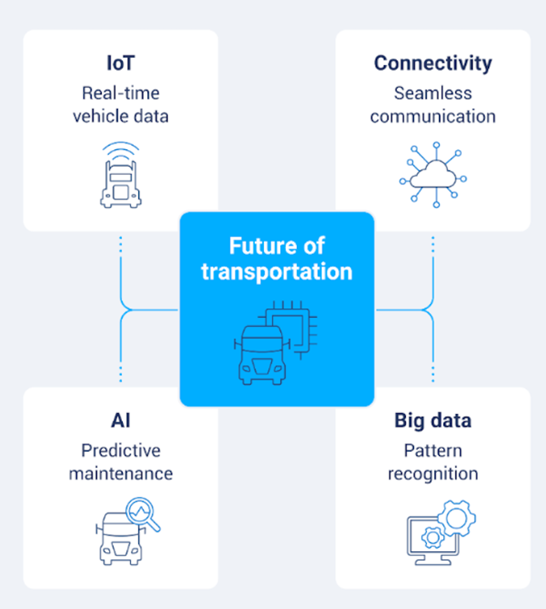
According to Shweta Shah, AVP, Altitude, Product & Engineering at Geotab, the most significant force behind futuristic transportation is the convergence of smart technologies, which now work together instead of advancing fleet electrification or autonomy on their own.
“Instead, it’s the powerful synergy of IoT, AI, big data analytics and advanced connectivity, designed to generate actionable insights. This convergence is pivotal for commercial fleets,” she stated in a Geotab blog post on the future of transportation.
Three key trends
Experts point to three trends that are shaping what comes next:
- AI will be the brain behind smart mobility systems, with the biggest shift happening in commercial fleets. Fleets are using AI to fine-tune operations, catch maintenance issues early and automate dispatch in real time. AI-driven analytics will also help fleets unlock better performance, greater safety and lower emissions.
- Electrification will go mainstream, with smart infrastructure to support it. Experts from the IEA predict that electric vehicle market share will exceed 40% by 2030. For fleets, this shift is happening even faster, especially in last-mile delivery and urban logistics. The challenge now is scaling the charging infrastructure to match demand.
- Regulation will shape the adoption of autonomous and connected vehicles. Technology may power AVs and connected systems, but regulation will decide how fast they hit the road. Industry leaders are working closely with governments to ensure AVs meet evolving safety standards and data governance policies.
Intelligent Transportation Systems
According to Markets and Markets, Intelligent Transportation Systems (ITS) have transformed the way cities approach mobility and emergency response while reducing congestion on city streets. This evolution has been driven by the integration of sensors, advanced communication technologies, automation, and high-speed networks.
The transition from traditional to smart infrastructure marks a significant shift in transportation management. In a traditional system, traffic flow was regulated through timers, pressure plates and pedestrian buttons. However, smart intersections have revolutionized this approach. These advanced systems utilize a combination of technologies such as Bluetooth and LIDAR (Light Detection and Ranging) to detect pedestrians and vehicles, enabling more accurate and efficient traffic management.
In smart intersections, vehicles can automatically begin braking to avoid accidents when pedestrians are detected. Streetlights can now pick up individual signals sent from vehicles to determine traffic volume and direction more accurately than pressure plates and timers. This level of communication between cars and streetlights allows for automated vehicle movement based on traffic signal changes, significantly improving safety and efficiency.
Modern ITS encompasses several key components that work together to optimize transportation networks:
- Connected Transportation Systems: These systems leverage the Internet of Things (IoT) and smart city technologies to use real-time data and sensors for optimizing traffic flow, monitoring vehicle performance, and enhancing overall transportation efficiency.
- Advanced Traffic Management Systems: By utilizing real-time data from cameras, sensors, and GPS devices, these systems monitor traffic patterns and adjust traffic signals, accordingly, improving traffic flow and reducing travel times.
- Vehicle-to-Everything (V2X) Communication: This technology enables communication between vehicles and any entity that impacts or may be impacted by the vehicle, including other vehicles (V2V), infrastructure (V2I), pedestrians (V2P), and networks (V2N).
- Automated Toll Collection: Systems using RFID and license plate recognition streamline the toll payment process, reducing congestion at toll booths and improving overall traffic flow.
- Public Transportation Solutions: These include real-time tracking of buses and trains, fare collection systems, and passenger information systems, making public transit more reliable and user-friendly.
The future of urban mobility is set to undergo a significant transformation with the advent of autonomous vehicles. Imagine a cityscape where fleets of self-driving buses and shuttles navigate seamlessly through streets, picking up and dropping off passengers at designated stops. Ridesharing services could dispatch shared AVs to collect multiple passengers traveling along similar routes, while robo-taxis could serve as a link between various modes of public transportation.
This vision of the future is not far-fetched. According to industry projections, by 2030, multi-passenger robo-taxis could account for approximately 9% (500 billion miles) of total miles traveled on US roads. This figure is expected to increase dramatically, potentially reaching 50% of all miles traveled by 2040.
To support the growth of autonomous vehicles, significant infrastructure upgrades are necessary. These improvements range from basic structural changes to more advanced technological integrations.
- Road Quality: Only 41% of US roads currently meet the standards for a “good ride” according to the International Roughness Index. Potholes, faded lane markings, and other maintenance issues pose challenges for AVs. Governments need to adopt more efficient approaches to improve basic infrastructure.
- Precise Mapping: Higher levels of autonomy require extremely accurate mapping software. For complex intersections, dimensions need to be recorded down to the inch. Deteriorating roads and fading road markers can impede AV growth by constantly altering the physical structure of intersections.
- Support Facilities: Large support facilities will be needed to service and charge autonomous fleets. Cities must plan for the development of these facilities, similar to how they plan for bus systems today.
- Staging Areas: To prevent congestion, AV fleets and shared-ride services require designated locations for picking up and discharging passengers. Converting existing parking spots into staging areas accessible to multiple fleet operators could be a solution.
- Smart Infrastructure: Roads will need to become “smarter” to accommodate AVs. This includes the installation of roadside sensors on lanes, curbs, and sidewalks to help vehicles anticipate dangerous situations. Machine-readable signs with embedded codes, invisible to humans but detectable by computers, will also be necessary.
- Connectivity: Cities will need to be packed with fiber and sensor networks, IoT devices, facilities for safe public Wi-Fi, and 5G networks to support the massive data transmission requirements of AV fleets.
- Charging Infrastructure: If the majority of AVs are electric, a substantial number of charging points will be required. Estimates suggest that electrifying 15 million electric vehicles by 2030 would necessitate nearly 5,000 fast charging and 500,000 slow charging stations.
Vehicles of the future
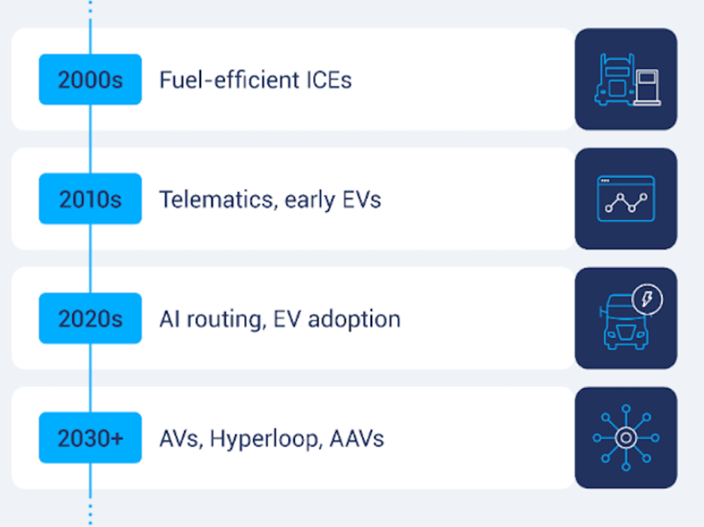
The transportation system in the future will be very different from our current system. We will see flying cars, self-driving cars, passenger drones, and the Hyperloop train system that is projected to reach a top speed of 760 mph (1,220 km/h).
Earth to Earth:
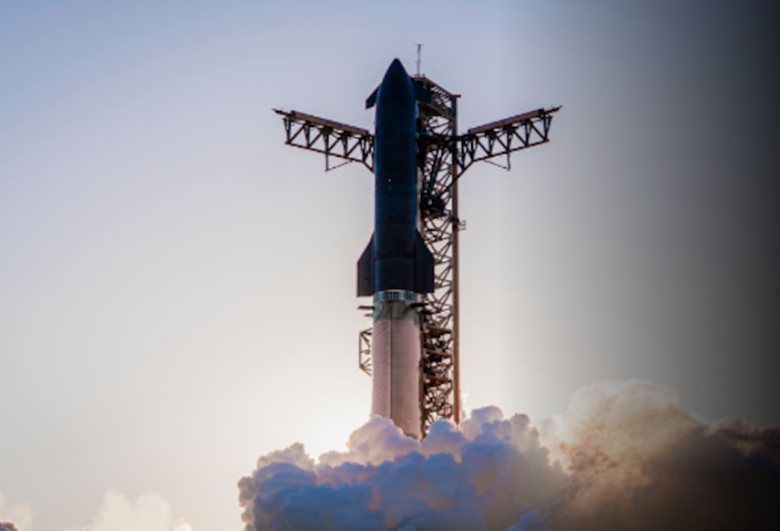
SpaceX’s Earth-to-Earth concept proposes using the Starship and Super Heavy system to transport passengers between major global cities through suborbital space, completing most long-distance international trips in 30 minutes or less. This two-stage vehicle is composed of the Super Heavy Rocket (booster) and Starship (ship). It’s designed to service all Earth orbit needs as well as the moon and Mars. The rocket exits Earth’s atmosphere, avoiding weather, turbulence, and air friction to travel at speeds exceeding Mach 20. Passengers board at floating platforms near major metropolitan hubs and land on similar platforms at their destination.
Pop.Up Next:
At the heart of the Pop.Up Next concept is a simple two-seat passenger cabin that can travel one of two ways. The simpler and more conventional route involves attaching to a 60-kW (80-hp) electric-powered sled and assuming the role of a self-driving car. Top speed is listed at 100 km/h (62 mph) and it would rely on a 15-kWh battery for a 130-km (81-mile) range. Pop.Up’s modus operandi is simple: passengers plan their journey and book their trip via an easy-to-use app. The system automatically suggests the best transport solution — accordingto user knowledge, timing, traffic congestion, costs and ridesharing demands — joining either the air or ground module.
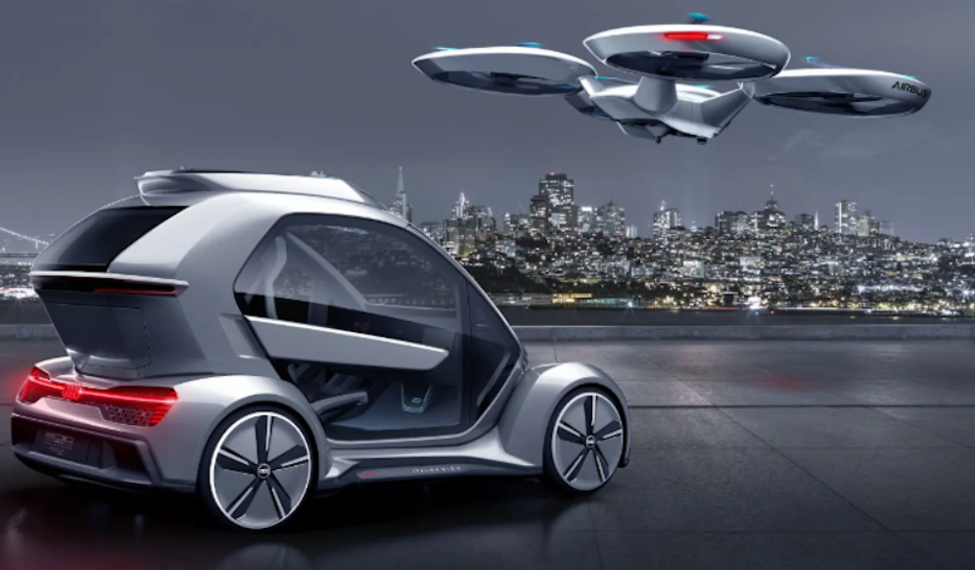
Source: Italdesign
Renault Float:
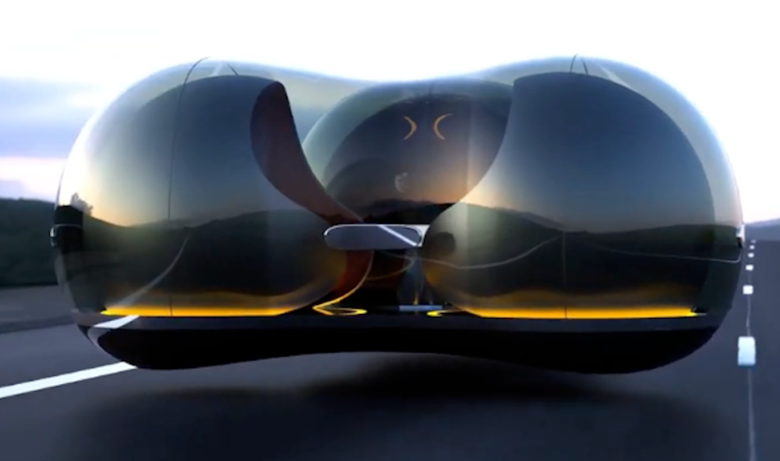
The Float is designed to take the social interaction of Facebook into the world of cars. The glass machine will look like a bubble when on the roads, floating around using magnetic levitation tech, while able to connect to other pods to create a weird bubblewrap-style convoy. Seats can swivel and sliding doors open to force you to interact while the Float can bob around in any direction. The concept also includes a smartphone app that lets you holler for a Float at any time — the Uber of the future, apparently.
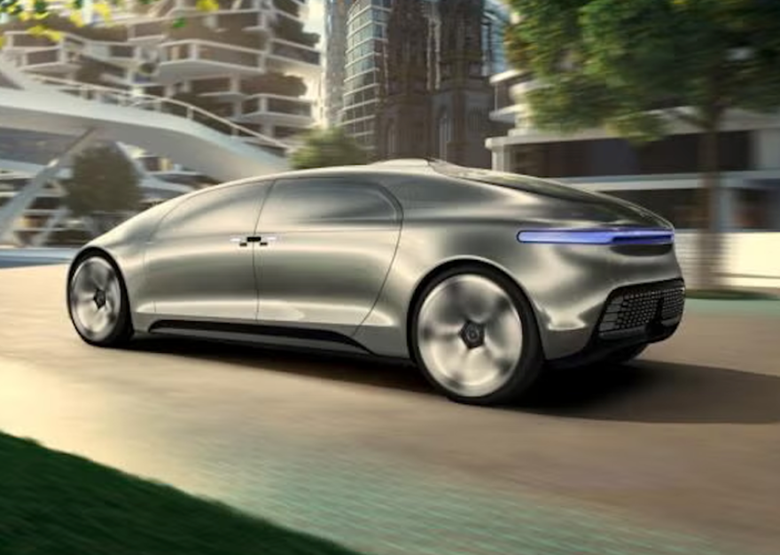
Mercedes-Benz F 015 Luxury in Motion:
The Mercedes-Benz F 015 Luxury in Motion research vehicle makes the future tangible with the revolutionary concept of autonomous driving. A luxury sedan with total connectivity between vehicle, passengers, and the outside world, it’s a preview of how the self-driving car of the future could evolve into a platform for communication and interaction.
YouTube: The Future of Transportation
Gyroscopic Transport:
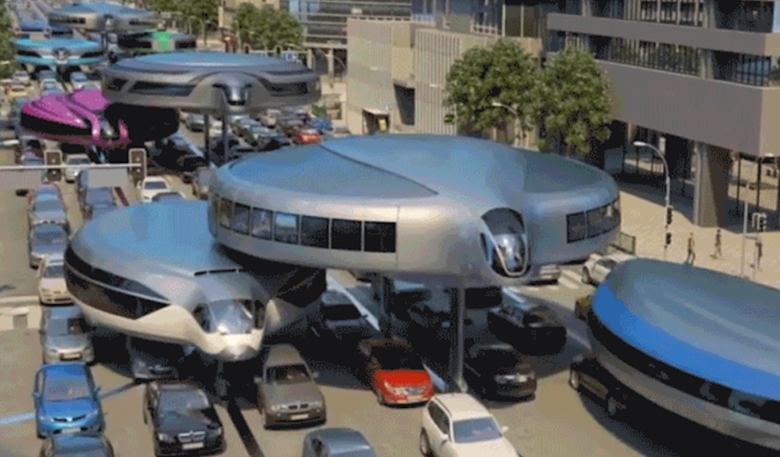
Gyroscopic transport uses large spinning flywheels to keep single-track or elevated vehicles balanced and stable. While tested via early 20th-century monorails, it remains primarily a futuristic conceptual design for avoiding urban traffic congestion.
Underground Tunnels Transportation:
The Boring Company, owned by Elon Musk, is working on a subway system for cars underneath the streets of Las Vegas. The idea is essentially the same as an underground rail network, but the tunnels are designed for electric cars, not trains.
AeroMobil:
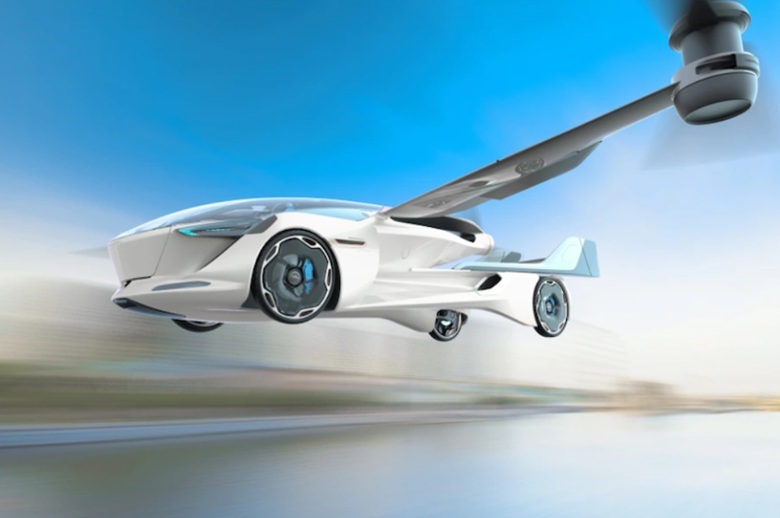
AeroMobil is a Slovak-designed hybrid flying car that changes from a four-wheeled road vehicle into an airplane in under three minutes. It uses foldable wings and a turbo-hybrid engine, and has a range of around 1,000 km driving and 740 km flying.
Rolls-Royce Vision Next 100:
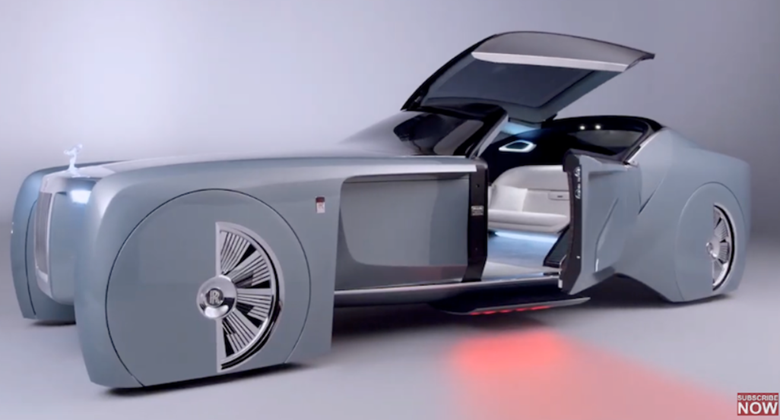
Most Rolls-Royce production cars have pushed the boundary of what a luxury car should be. Rolls-Royce Vision Next 100 is a futuristic, fully autonomous, electric concept car unveiled in June 2016. It features zero steering controls, a private lounge-like interior with handwoven silk, and an artificial intelligence virtual assistant named Eleanor.
Terrafugia TF-X:
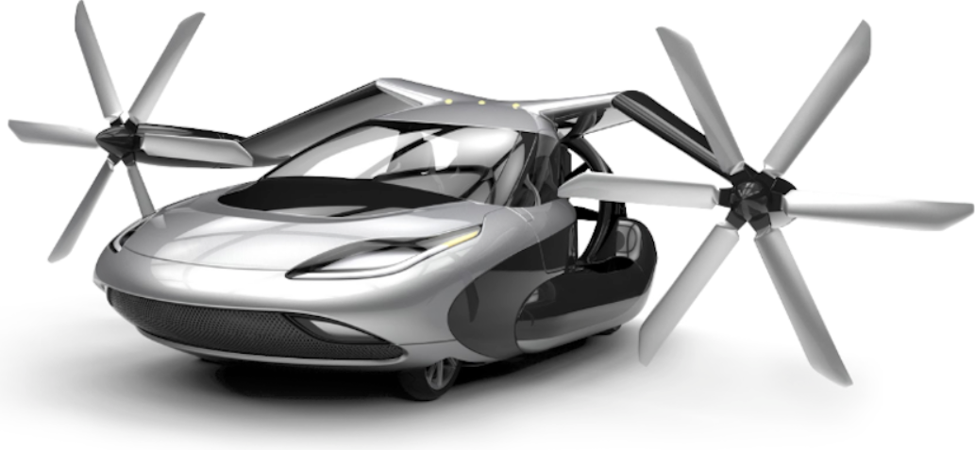
Known as TF-X, Terrafugia is fitted with a hybrid powertrain to propel the wheels on the ground and two electric rotors for flying. It takes off vertically instead of requiring a runway. The pair of electric motors in combination with a petrol engine generates 300 horsepower. The futuristic vehicle has an expected flight range of 500 miles.
YouTube: The Future of Transportation
Geotabadds autonomous aerial vehicles (AAVs), hoverbikes, Hyperloop and Maglev trains to the list of transportation examples gaining traction.
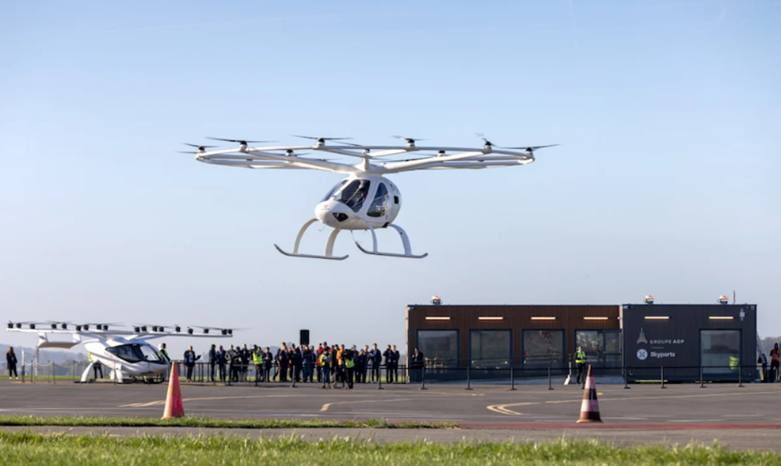
An eVTOL (electric vertical take-off and landing) aircraft is a vehicle that uses electric power to hover, take off, and land straight up and down. Often called air taxis or flying taxis, they require no runways and are designed to provide fast, quiet travel above congested city traffic.
Resembling large drones, eVOTLs are powered by battery packs and electric motors instead of jet fuel or gas engines, producing zero emissions. They take off and land like a helicopter, allowing them to operate from small urban spaces like rooftops or designated vertiports.
Malek, from the CNN interview, said “The technology’s absolutely there. It works,” while stressing that a higher safety bar needs to be met in the same way as for airplanes. “But I think over the next 20 years we’ll be seeing more eVTOL use in the movement of goods.”
Like AAVs, hoverbikes use a VTOL platform, but with a human operator onboard. Typically resembling a motorcycle with quadcopter rotors, they are designed for short-distance, off-ground travel. One such model — the S3 2019 Hoverbike developed by Hoversurf — can reach speeds of 60 mph at an altitude of 33 feet. While not yet practical for mass adoption, hoverbikes hint at how compact air mobility might evolve.
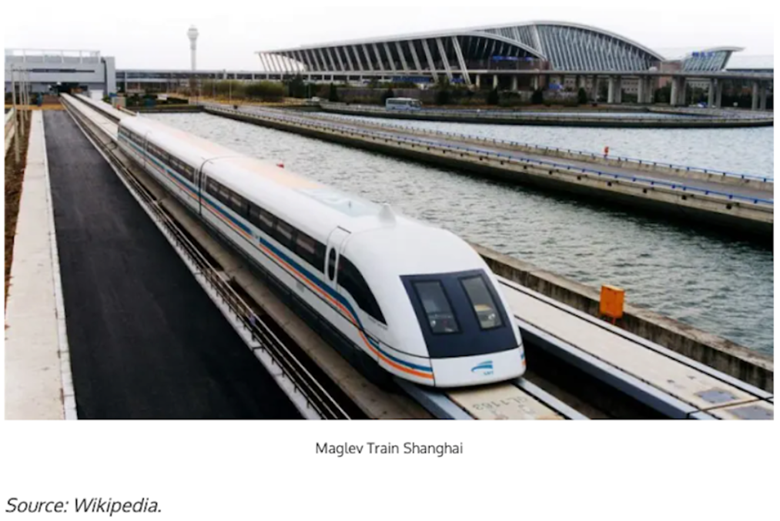
Magnetic levitation trains (Maglev) offer another fast, frictionless form of future transport. Unlike conventional rail, Maglev trains float above the tracks using magnets, reducing drag and allowing for smoother, quieter and faster travel.
Countries like Japan and China are investing heavily in this technology, with trains capable of reaching speeds up to 407 mph in seven seconds. As urban density increases, Maglev systems could help connect cities faster and more sustainably than current rail networks.
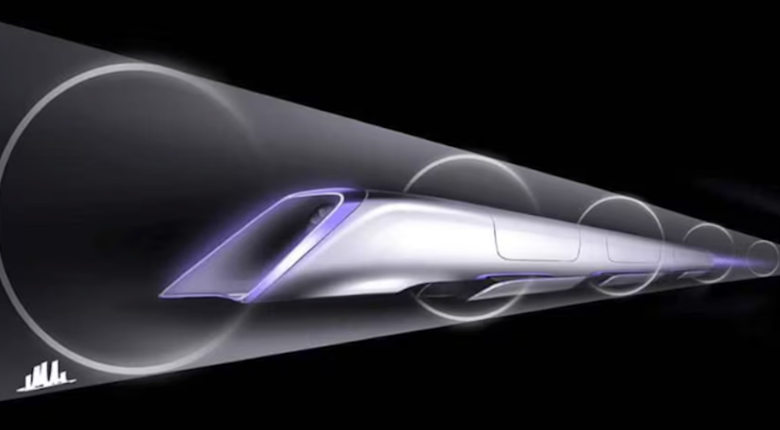
First proposed by Elon Musk in 2012, the Hyperloop is designed for high-speed, long-distance travel between cities. Using magnetic levitation (Maglev) technology and low-pressure tubes, pods could travel at speeds of up to 600 mph, cutting travel times dramatically while minimizing friction and energy use.
Researchers are now exploring Hyperloop projects in India, the United States, the United Kingdom, Canada and Mexico. The proposed Mumbai–Pune corridor in India could become the world’s first full-scale deployment, potentially reducing travel time between the two cities to just 25 minutes, compared to about four hours by standard train.
While the project remains in development, it signals a growing global interest in next-generation rail alternatives.
Industry forecasts also reflect that momentum. The Hyperloop market is expected to grow, projected at a compound annual growth rate (CAGR) of 35.7%, reaching $59.3 billion by 2034.
Conclusion
What does the future of the transportation system look like? The future likely centers on electrification, automation, and smart connectivity, moving toward an integrated ecosystem that optimizes how people and goods move. Rather than radical science-fiction shifts, experts expect a blend of advanced green technology and incremental evolution in public and private transit.
The common denominator is the absence of human beings and the increasing use of robots, drones, and other driverless transportation systems including cars, trucks, buses, trains, airplanes and ships. While passenger planes and cargo vessels still face hurdles to full automation, driverless cars, trucks, buses and trains are already here.
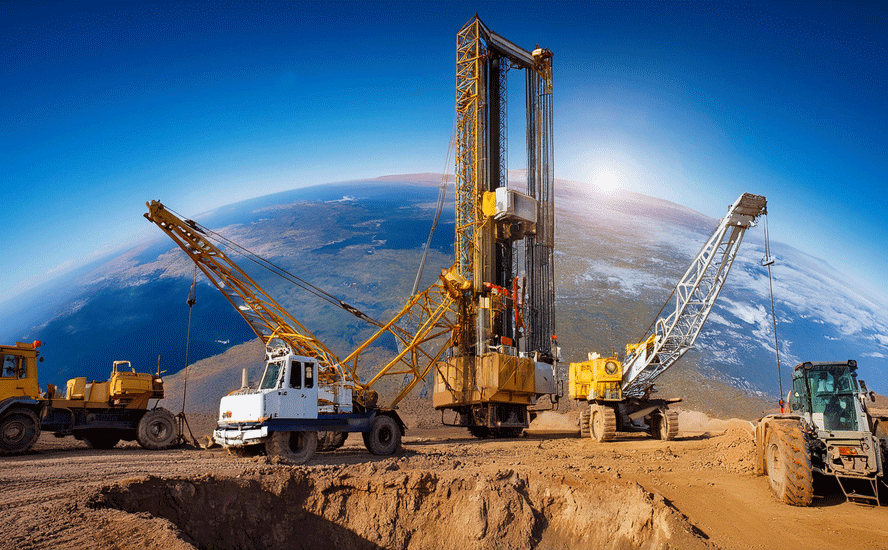
The future of transportation is both exciting and scary. Scary in the sense that millions of jobs will be eliminated. No more taxi drivers, Uber drivers, truck drivers, and later on, commercial vessel crews and flight crews. They will likely be replaced by a monitoring function performed by a small group of humans located far from the action. This is already happening at mine sites with autonomous truck fleets, as an example.
Exciting in that new options are becoming available that will make transportation both more convenient and safer. Automation takes the human element out of driving. Automated vehicles designed for maximum safety will eventually render cars with human drivers obsolete.
The fully automated transportation is coming. We can either fear it and revert to old, familiar modes of moving goods and people, or we can embrace what it offers including opportunities for investment.
Richard (Rick) Mills
aheadoftheherd.com

Legal Notice / Disclaimer
Ahead of the Herd newsletter, aheadoftheherd.com, hereafter known as AOTH.Please read the entire Disclaimer carefully before you use this website or read the newsletter. If you do not agree to all the AOTH/Richard Mills Disclaimer, do not access/read this website/newsletter/article, or any of its pages. By reading/using this AOTH/Richard Mills website/newsletter/article, and whether you actually read this Disclaimer, you are deemed to have accepted it.