 RSS Subscribe
Copper and gold senior merger and acquisition activity – AOTH
2026.09.18
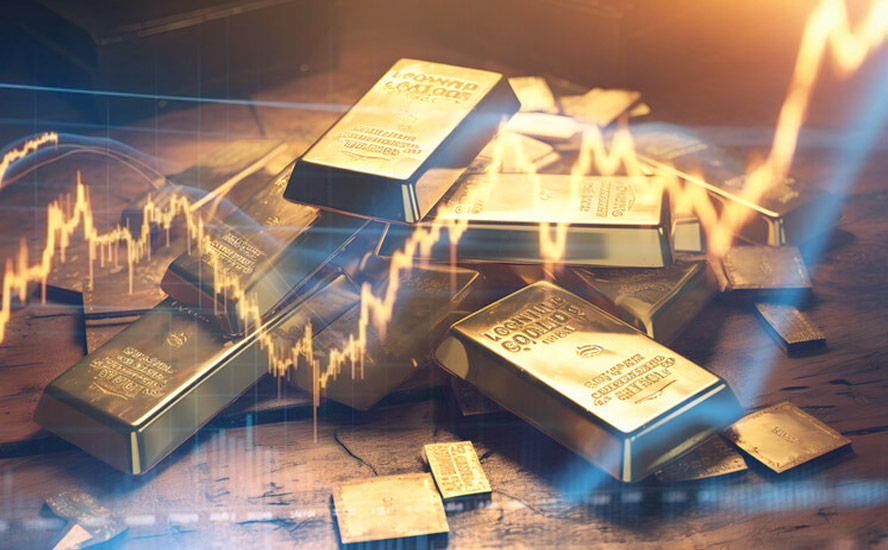
Global mining merger and acquisition (M&A) activity is undergoing a major shift, characterized by a drop in the number of individual transactions but a massive surge in total deal values.
High commodity prices, the global clean-energy transition, and a desire to secure safe supply chains have driven companies to make massive, multi-billion dollar “mega-deals” instead of pursuing riskier new exploration projects.
According to comprehensive research reports from industry authorities like S&P Global, PwC, and White & Case, the mining sector recently recorded its strongest financial transaction momentum since the 2010–2012 commodity super-cycle.
Global activity and market trends
- Soaring deal values: Total global mining M&A values reached $139billion in 2025, which is a massive 35% jump compared to 2024.
- The rise of the megadeals: Large transactions worth over $1 billion each grew by 68% to reach an aggregate of $97 billion, demonstrating that market power is consolidating among the biggest companies.
- Declining deal counts: In contrast to high dollar values, the total number of completed deals actually fell roughly 20%. Companies are choosing large, established “bolt-on” assets over buying up multiple smaller operations.
- Strong 2026 momentum: This pattern extended through the first half of 2026. For instance, Q1 2026 recorded $21.6 billion in transactions across 121 deals—a 34% increase in value from Q1 2025, marking the strongest start to a year in three seasons.
Four specific metals account for the vast majority (roughly 70%) of all recent deal values:
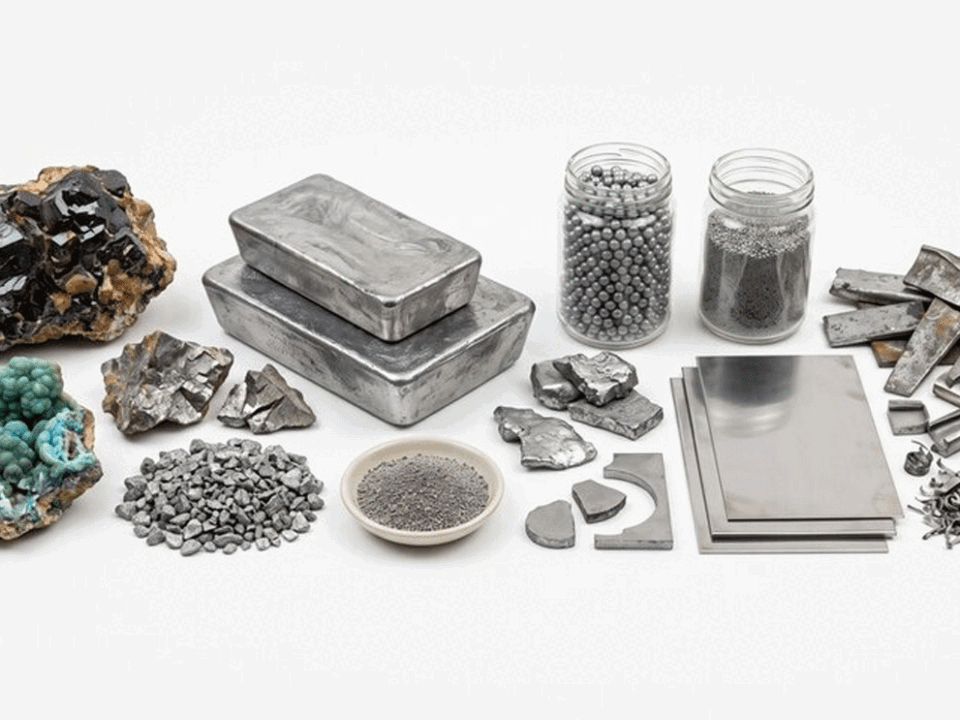
- Copper (base metals shift): Copper has taken center stage. Driven by international electrification needs (electric vehicles, power grids, and artificial intelligence infrastructure), major miners are aggressively competing for copper portfolios.
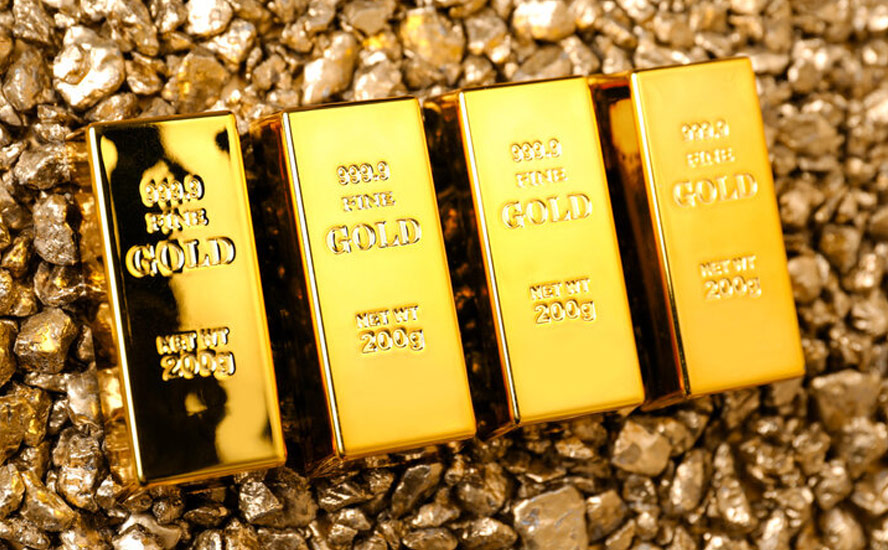
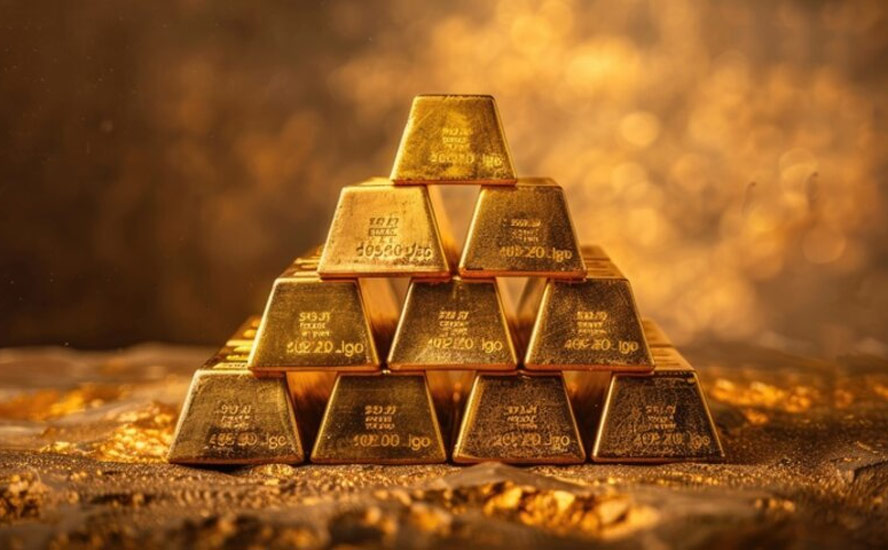
- Gold (precious metals consolidation): Spurred by record-high gold prices, precious metals are seeing intense consolidation. Mid-tier and senior producers are rapidly buying out smaller junior companies with proven reserves to extend their operating life.
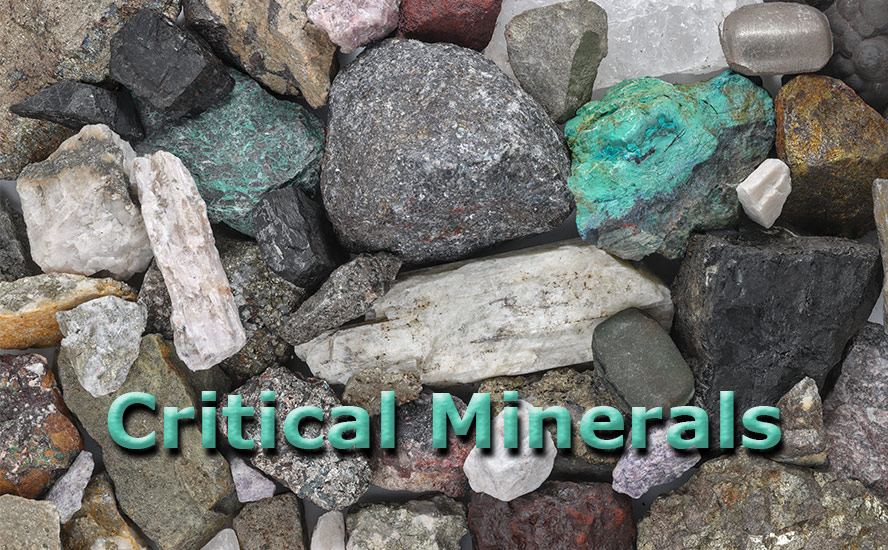
- Lithium & nickel (critical energy transition minerals): While lithium experienced a temporary dip in total deal value due to short-term price adjustments, strategic megadeals continue. Large miners are utilizing temporary downturns to acquire future-facing green assets at a discount.
Mining companies have shifted their focus away from traditional exploration (“greenfield” growth) due to high costs, permitting delays, and inflation.
Instead, they are using M&A for three distinct reasons:
- Securing friendly supply chains: In a highly fractured political landscape, buyers are actively prioritizing mining operations located in politically stable, “Tier-1” geographic regions—primarily North America and Australia.
- Strategic joint ventures: Rather than navigating risky, hostile corporate takeovers, 32% of mining leaders cite “strategic partnerships” as their primary transaction tool. This allows multiple giants to share costs and infrastructure in mature mining zones.
- Creative structuring: High interest rates have pushed up the cost of capital. To hedge their bets against volatile commodity prices, companies are heavily utilizing specialized payment terms like all-share stock deals, royalty agreements, and earnout provisions (which delay full payment until a project hits specific production milestones).
TSX & TSX.V
The Toronto Stock Exchange (TSX) and TSX Venture Exchange (TSXV) together serve as the undisputed global epicenter for mining finance and M&A transaction activity. Owned by parent company TMX Group, these twin marketplaces list roughly 40% of all public mining companies in the world, putting them at the heart of recent multi-billion dollar consolidations.
Financial activity on the TSX & TSXV is currently marked byrecord equity financing totals, aggressive precious metals consolidation, and an influx of majors buying out junior project pipelines.
To fuel M&A deals, companies need capital. Mining equity financing on the TMX platforms has experienced a powerful resurgence:
- Massive capital influx: Over $9 billion in mining capital was raised across the TSX and TSXV in just the first half of 2026.
- The Venture resurgence: A massive 67% jump in year-over-year financing volumes occurred on the TSXV, giving smaller explorers the financial health to act as attractive acquisition targets.
- TSX30 dominance: Proving the power of the resource market, mining stocks claimed a historic record 60% of the spots on the 2026 TSX30 (the annual list tracking the top-performing stocks over a three-year period)
The main TSX board is where massive, institutional “mega-deals” are executed. Due to all-time high bullion pricing, gold consolidation has dominated the exchange. There have been nine distinct gold takeovers exceeding $1 billion USD involving Canadian companies since early 2025 alone.
The 9 mega-deals
- Coeur Mining & New Gold Inc. ($7.0 Billion USD): In one of the largest precious metals deals of the cycle, Coeur Mining launched a massive all-stock acquisition of New Gold (TSX: NGD) to absorb its high-producing Rainy River and New Afton mines in Canada.
- Equinox Gold & Orla Mining ($5.1 Billion USD): Announced in mid-2026, Equinox Gold agreed to combine with Orla Mining (TSX: OLA), forming a powerhouse North American producer targeting over 1 million ounces of annual gold production.
- Equinox Gold & Calibre Mining ($2.2 Billion USD): Prior to the Orla merger, Equinox Gold consolidated its grip on the Americas by acquiring Calibre Mining (TSX: CXB) to create a highly diversified operating profile.
- Gold Fields & Osisko Mining ($2.16 Billion USD): Global giant Gold Fields bought out Osisko Mining to gain full 100% control of the tier-one Windfall gold project located in Quebec.
- Agnico Eagle Mines & Rupert Resources ($2.12 Billion USD): Moving heavily into northern Europe, Agnico Eagle orchestrated a strategic takeover of Rupert Resources (TSX: RUP) to consolidate Finland’s prospective Central Lapland Greenstone Belt.
- G Mining Ventures & G2 Goldfields ($2.15 Billion USD / ~$3B CAD): G Mining Ventures finalized a major corporate combination to take over G2 Goldfields (TSXV: GTWO), unlocking significant resource scale in South America.
- Jiangxi Copper & SolGold ($1.2 Billion USD): Executed via Canadian trading channels, Jiangxi Copper completed a full buyout of SolGold (TSX: SOLG) to secure the massive Cascabel gold-copper project.
- Carcetti Capital & Hemlo Gold Mine ($1.1 Billion USD): In a massive asset portfolio rationalization, global giant Barrick Gold sold its historic Hemlo Gold Mine in Ontario entirely to Carcetti Capital.
- B2Gold & Sabina Gold & Silver ($1.1 Billion CAD / ~$820M USD Base): B2Gold completed its multi-billion dollar domestic expansion by taking over Sabina Gold & Silver, handing B2Gold the fully permitted, multi-million-ounce Back River gold district in Nunavut. (Note: In broader Canadian market indices, this is frequently coupled with Eldorado Gold’s recent peer-bidding or critical gold-adjacent moves like the $3.8B Foran transaction to round out the core top-tier resource M&A pool).
Copper
The last 18 months have seen a massive surge in copper mergers and acquisitions across the TSX and TSXV. High demand for green energy technology, electric vehicles, and AI grid infrastructure has caused copper reserves to drop.
Because of this, major miners and mid-tiers are aggressively buying out developers and juniors instead of spending years trying to discover new deposits from scratch.
The notable copper-focused corporate takeovers, asset sales, and combinations finalized or announced on the TSX over the last 18 months include:
The senior copper exchange mega-mergers (TSX)
- Anglo American PLC & Teck Resources Ltd. ($23.5 Billion USD / ~$32B CAD):Announced in late 2025, this massive “merger of equals” combines two global titans to form a top-five global copper producer. The main strategic goal of the deal was to give Anglo American direct access to Teck’s massive Quebrada Blanca (QB) mine in Chile, which is one of the world’s premier copper operations.
- Hudbay Minerals & Arizona Sonoran Copper Co. (~$800 Million USD / C$9.35 per share): Announced in March 2026 and finalized by a 99% shareholder vote in mid-2026, Hudbay Minerals (TSX: HBM) acquired Arizona Sonoran Copper at a 30% market premium. This transaction consolidates the Cactus Project and Parks/Salyer deposits, instantly giving Hudbay control over the third-largest copper district in North America.
- Jiangxi Copper & SolGold PLC ($1.2 Billion USD): Using Canadian exchange channels, Jiangxi Copper executed a successful corporate buyout of SolGold (TSX: SOLG) [1.7]. This deal gives them full ownership of the multi-billion-ton Cascabel copper-gold porphyry deposit in Ecuador
- BHP & Lundin Mining acquisition of Filo Corp ($3.03 Billion): Senior TSX issuer Lundin Mining Corp., in a joint venture with global major BHP, acquired Filo Corp.. This transaction effectively consolidated control over the world-class Filo del Sol copper project on the Argentina-Chile border, establishing a massive, unified copper district with shared infrastructure economies.
Conclusion
The mega buying trend is structurally primed to continue. The core driver being a fundamental “scarcity trade.” With gold and copper prices maintaining historically strong levels, major mining companies are generating massive free cash flow.
However, because permitting a new greenfield mine now takes over a decade—and faces capital inflation and geopolitical hurdles—the world’s largest producers are choosing to buy existing ounces and pounds rather than discover them.
In copper, the industry is entering an era of “dream deals” driven by pure supply deficits (intensified by AI data center grids). Capital is concentrating into fewer, massive global champions.
- BHP Target – Freeport-McMoRan: Ever since BHP’s failed $49B attempt to buy Anglo American in 2024, the market has speculated on where BHP will deploy its massive balance sheet. Freeport remains the ultimate prize due to its world-class Grasberg asset in Indonesia and major American footprints. Any move here would trigger a historic $60B+ mega-merger.
- First Quantum Minerals as a Target: Having navigated severe balance sheet trials following the shutdown of Cobre Panama, First Quantum remains a highly attractive target for massive international miners (such as Barrick or Middle Eastern state-backed funds) looking for immediate, world-class copper exposure via corporate takeover.
The gold sector is experiencing an unprecedented cash flush. Rather than drilling, majors are utilizing their high stock valuations to swallow tier-one mid-caps.
- Barrick Mining Merge/Acquisition: Barrick has historically favored “mergers of equals” or sweeping corporate integrations. Wall Street analysts continually look at potential mega-combinations between Barrick and massive Australian or African-centric producers (like AngloGold Ashanti) to build a unified counterweight to Newmont.
- Agnico Eagle Consolidating the Canadian Shield: Agnico Eagle’s strategy relies heavily on jurisdictional safety and regional dominance. The market watches for Agnico to potentially launch mega-bids for remaining multi-asset Canadian mid-tiers like Kinross Gold (TSX: K) or Alamos Gold (TSX: AGI) to fully lock down North American production.
Focus is commanding a premium, while asset complexity attracts a discount.
As long as the physical supply of copper concentrate remains tight and central banks continue backing gold, the corporate boardrooms of the TSX and NYSE will remain aggressively predatory.

Legal Notice / Disclaimer
Ahead of the Herd newsletter, aheadoftheherd.com, hereafter known as AOTH.Please read the entire Disclaimer carefully before you use this website or read the newsletter. If you do not agree to all the AOTH/Richard Mills Disclaimer, do not access/read this website/newsletter/article, or any of its pages. By reading/using this AOTH/Richard Mills website/newsletter/article, and whether you actually read this Disclaimer, you are deemed to have accepted it.