 RSS Subscribe
Why Trump is looking the wrong way in the Arctic
From The Economist
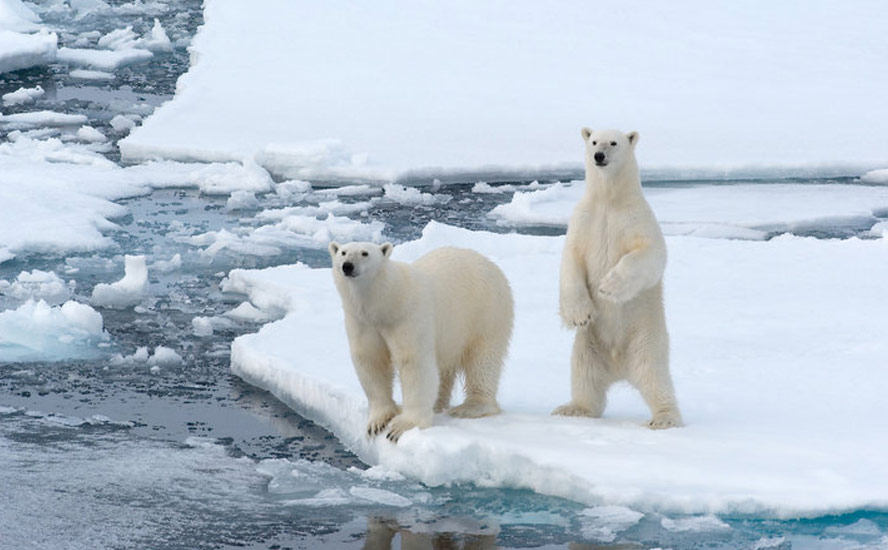
SINCE 2020 foreign military aircraft have buzzed North American airspace 95 times. Of these incursions in the “air-defence identification zone”, 91 were in the north-west, around Alaska. Russia and China are probing Arctic regions near Alaska ever more intensely, with everything from Chinese dual-purpose research ships (five visits this year) to joint patrols by Chinese and Russian coastguards, navies and air forces. A special shock was the appearance last year of Chinese and Russian nuclear-capable bombers.
Remote and forbidding, the Arctic has been a region of diplomatic tranquillity. Now it is the flashpoint of geopolitical rivalries and, as in the cold war, fast becoming a zone for potential confrontation. The shortest routes for nuclear missiles and bombers from Russia and, increasingly, China, pass mostly over the top of the world. In contrast to the cold war, the contest is also economic, as the ice cap melts. This year’s minimum ice cover was 39% less than in 1980. Global warming will draw more shipping, mining, fishing and tourism into the Arctic.
President Donald Trump says he is alarmed about security there. He says that is why America must take Greenland from Denmark and why he trolls Canada, his northern neighbour, with talk of making it America’s 51st state. Mr Trump is looking the wrong way. America’s gravest security threat in the Arctic emanates not from the Atlantic side around Greenland, but from the Pacific side, around the approaches to Alaska. Worse, his delusions about imperial expansion, whether for land or minerals, deflect attention from that threat.
Legal Notice / Disclaimer
Ahead of the Herd newsletter, aheadoftheherd.com, hereafter known as AOTH.Please read the entire Disclaimer carefully before you use this website or read the newsletter. If you do not agree to all the AOTH/Richard Mills Disclaimer, do not access/read this website/newsletter/article, or any of its pages. By reading/using this AOTH/Richard Mills website/newsletter/article, and whether you actually read this Disclaimer, you are deemed to have accepted it.