 RSS Subscribe
Dwindling Strategic Petroleum Reserve – AOTH

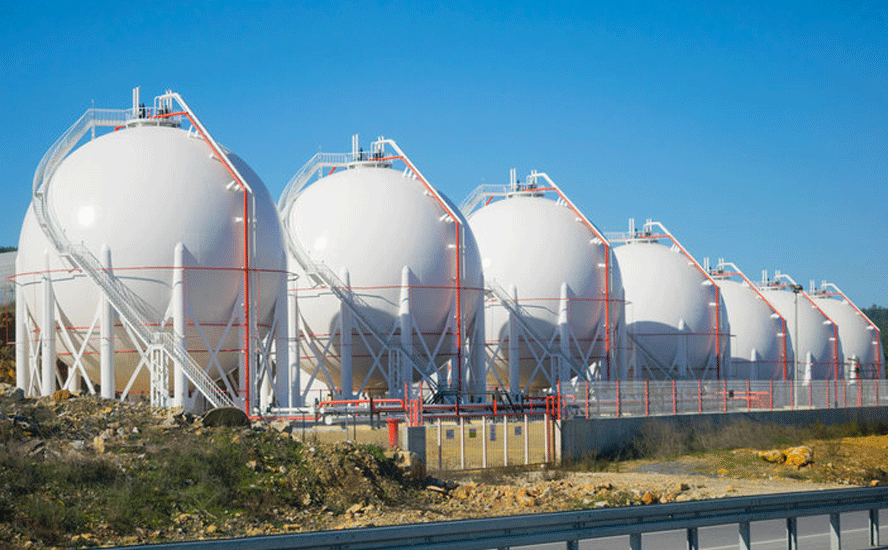
The U.S. Strategic Petroleum Reserve (SPR), the world’s largest supply of emergency crude oil, was established primarily to reduce the impact of disruptions in supplies of petroleum products and to carry out United States’ obligations under the international Energy Program. The federally owned oil stocks are stored in huge underground salt caverns at four sites along the coastline of the Gulf of Mexico. The size of the SPR (authorized storage capacity of 714 million barrels) makes it a significant deterrent to oil import cutoffs and a key tool in foreign policy. (U.S. Department of Energy)
Importance of inventories
The importance of oil inventories came to the fore soon after the United States and Israel launched their war against Iran at the end of February. It was thanks to these inventories that the world avoided a sharp and painful spike in oil prices. The OECD agreed a controlled release of 400 million barrels, and China slashed its oil imports, leaning into its reserve.
The U.S. Strategic Petroleum Reserve has been essential for the OECD release. Its part in the joint release stood at 172 million barrels. Oil production in the United States has responded to the supply squeeze, but neither as fast or as significantly as some may have hoped as the industry retains its cautious attitude to growth. So, the U.S. federal government has been selling oil from the Strategic Petroleum Reserve. A lot of this oil has gone to Europe, which has struggled to secure its oil supply amid its own sanctions on Russian energy and the war in the Middle East. (Oilprice.com)
Lowest since 1982
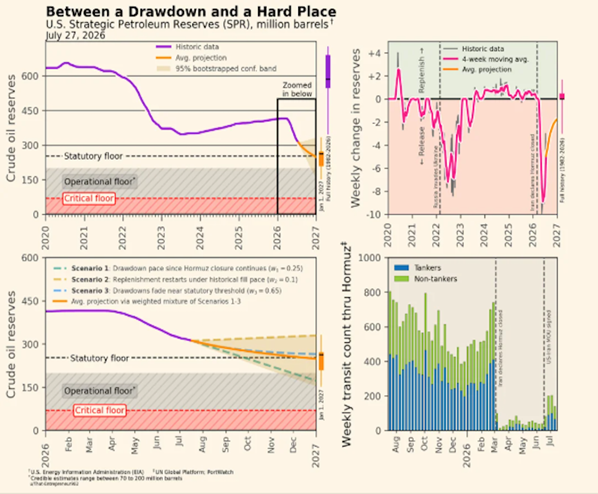
According to the U.S. Energy Administration, crude oil stocks in the SPR stood at just 284.6 million barrels for the week ending Sept. 18. That’s down from 285 million the week before and 406 million a year earlier.
Department of Energy data shows the reserve fell further the following week to 283.8 million barrels, the lowest level since October 1982.
The US government said on Tuesday it is offering to loan energy companies up to 40 million barrels of oil from the Strategic Petroleum Reserve, the last US batch of crude from a global deal to unleash reserves in the wake of the war on Iran. (Reuters)
Oilprice.com notes that federal law sets an operational minimum of 252.4 million barrels, while the generally accepted operational minimum is 250 to 300 million barrels on hand to pump and process oil efficiently, a level it is now testing.
The reason for worry about the SPR is purely physical. As explained by Reuters, the oil in the strategic reserve is stored in salt caverns and floats on a layer of water. The more oil is drawn from the caverns, the higher the water level rises, and with it the risk of damage to the walls of the caverns and the pipes and pumps used to suck the crude out. The absolute minimum required for the existence of the reserve is 70 million barrels, according to a petroleum engineering professor from A&M University, but this is irrelevant because the critical level is around 250 million barrels. Below that, the reserve becomes difficult to draw from.
According to a Reddit post, at the current drawdown pace, the U.S. Strategic Petroleum Reserve would fall below its operational limits by late November, when inventories approach 200 million barrels.
What happens when the SPR reaches empty?
When the Strategic Petroleum Reserve approaches its operational floor or depletes entirely during a crisis, the US loses its primary economic shock absorber against severe global oil supply disruptions.
As mentioned, the SPR cannot be completely drained to zero; underground salt caverns rely on water injection to displace and push oil upward.
As oil levels drop very low, pumping yields an unmanageable oil-water mixture that aging surface facilities cannot efficiently separate.
Pumping speeds and pressure drop past a critical floor, rendering the final remaining barrels functionally inaccessible.
Without reserve releases to calm global markets during supply shocks (like Middle East conflicts), domestic gasoline and diesel prices face violent, unmitigated surges.
Adversaries can use the depleted state of US emergency reserves as geopolitical leverage during trade or military standoffs.
Extreme price spikes act as a painful market-based form of fuel rationing, depressing consumer discretionary spending.
Higher fuel costs increase logistics and trucking expenses, risking secondary shocks to food and retail distribution systems.
Refilling depleted salt caverns takes years because slow injection and purchase rates mean refilling itself creates competing demand, keeping energy prices elevated for an extended period.
How does the SPR affect oil prices?
SPR drawdowns temporarily increase supply during emergency disruptions, which helps cool price spikes.
Releasing millions of barrels into the commercial market offsets sudden supply deficits such as conflicts or embargoes.
These announcements calm traders, reducing panic-driven speculative buying and lowering near-term futures contracts.
But price drops are temporary unless underlying structural supply issues are resolved.
By contrast, buying oil back to refill depleted caverns adds permanent demand back into the market and increases prices.
Sustained government repurchasing can keep oil prices higher for longer during recovery phases.
Conclusion
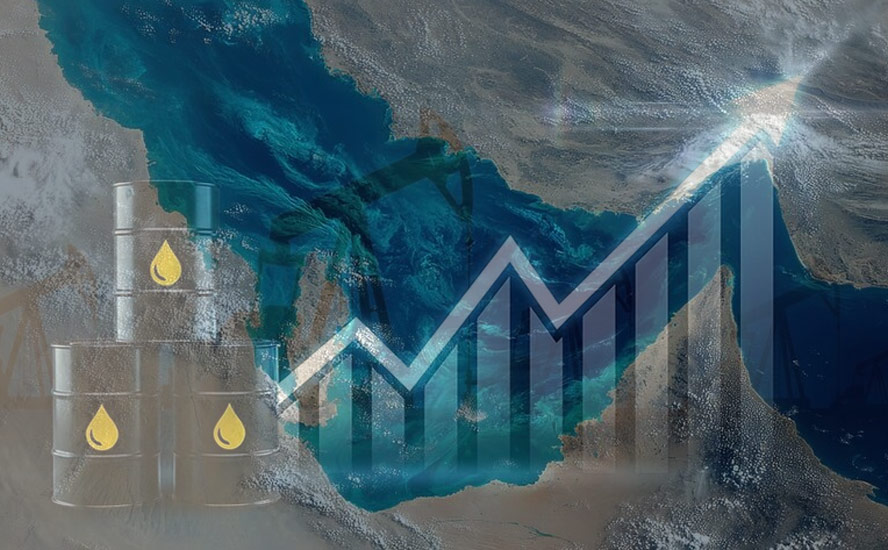
Oil prices have risen primarily due to ongoing Middle East geopolitical conflict, specifically related to disruptions and blocked shipping lanes in the Strait of Hormuz.
On Monday Brent crude rose over 3% to top $107 a barrel as Washington dismissed Tehran’s proposal to end the war. (Aljazeera)
The United States and other countries have been using their strategic petroleum reserves to avoid a painful spike in oil prices.
Thirty-two IEA countries agreed to release 400 million barrels of emergency reserves following oil supply disruptions.
China drew down portions of its massive 1.13-billion-barrel onshore crude inventory during recent supply crunches.
Spain released approximately 11.5 million barrels from its national stocks to stabilize regional markets.
Nations across Europe and Asia tapped into mandatory 90-day import stockpiles to offset Middle East supply shocks.
But these stockpiles are running dangerously low, particularly in the US, where the SPR is now at levels not seen since 1982. While not yet at the 252.4-million-barrel limit mandated by federal law, at the current drawdown pace, the reserve would fall below its operational limits by late November, when inventories approach 200 million barrels.
Garrett Golding, assistant vice president at the Federal Reserve Bank of Dallas, said only after supply and demand rebalance can countries start to rebuild their oil reserves again. Lots of countries could end up replenishing their reserves at the same time. The demand for oil to fill reserves will be on top of the global demand picture.
One thing seems obvious: oil is going to get repriced at a higher level.
Richard (Rick) Mills
aheadoftheherd.com

Legal Notice / Disclaimer
Ahead of the Herd newsletter, aheadoftheherd.com, hereafter known as AOTH.Please read the entire Disclaimer carefully before you use this website or read the newsletter. If you do not agree to all the AOTH/Richard Mills Disclaimer, do not access/read this website/newsletter/article, or any of its pages. By reading/using this AOTH/Richard Mills website/newsletter/article, and whether you actually read this Disclaimer, you are deemed to have accepted it.