 RSS Subscribe
7,000-Year-Old DNA Rewrites the Story of the “Neolithic Revolution”
From SciTechDaily
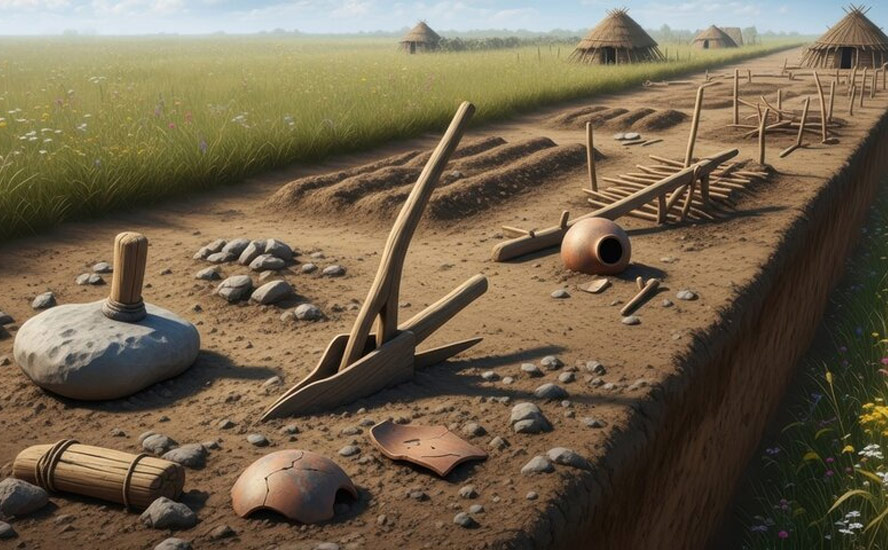
For decades, archaeologists have debated how communities that once relied entirely on hunting and gathering began raising animals, cultivating crops, and producing food. This shift, known as the “Neolithic Revolution,” did not happen the same way everywhere. In North Africa, one of the main questions has been whether farming developed locally or arrived from outside.
A study published in Nature suggests that the rise of farming in the Maghreb was not the result of a single migration or a simple borrowing of ideas. Instead, it grew out of repeated contact among African hunter-gatherers, early European farmers, and East Saharan herders, whose interactions reshaped culture, daily life, and ancestry in North Africa between 5500 and 4500 BC.
Legal Notice / Disclaimer
Ahead of the Herd newsletter, aheadoftheherd.com, hereafter known as AOTH.Please read the entire Disclaimer carefully before you use this website or read the newsletter. If you do not agree to all the AOTH/Richard Mills Disclaimer, do not access/read this website/newsletter/article, or any of its pages. By reading/using this AOTH/Richard Mills website/newsletter/article, and whether you actually read this Disclaimer, you are deemed to have accepted it.