 RSS Subscribe
Researchers Discover Brain Cancer’s Secret Helpers – and How To Shut Them Down

From SciTechDaily
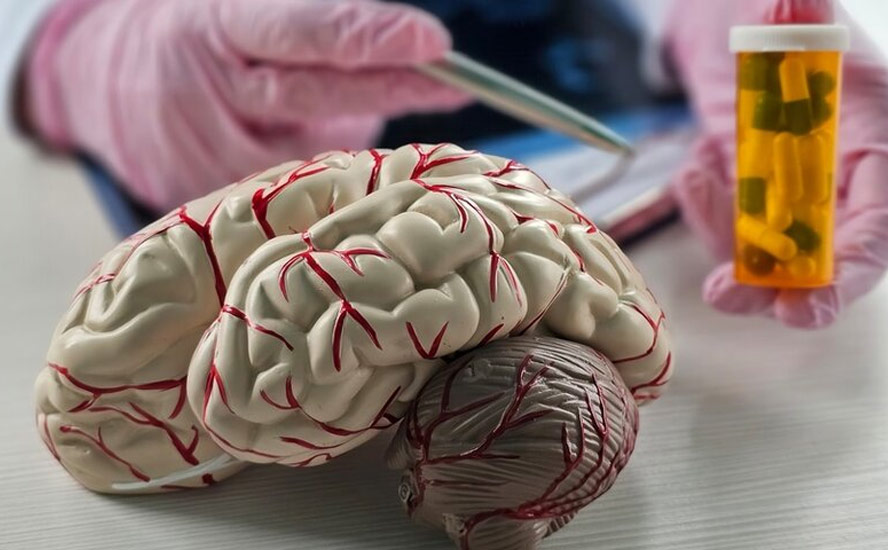
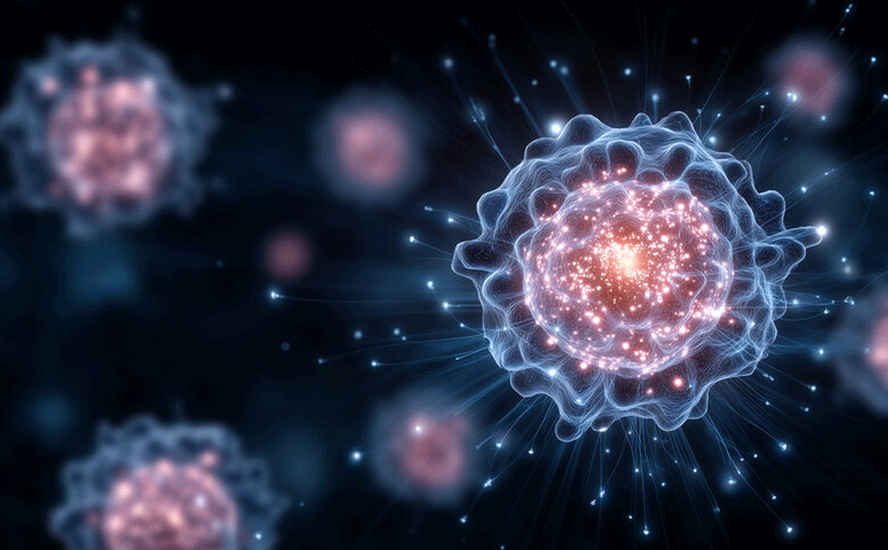
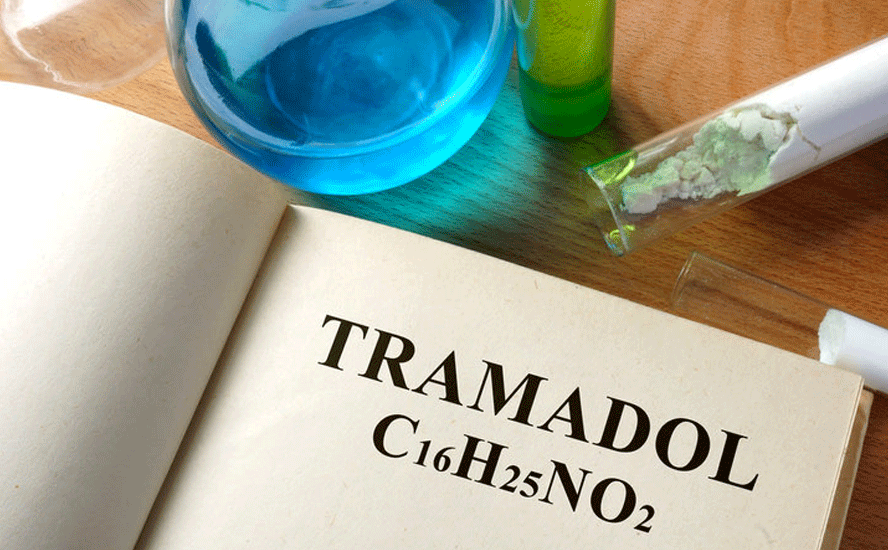
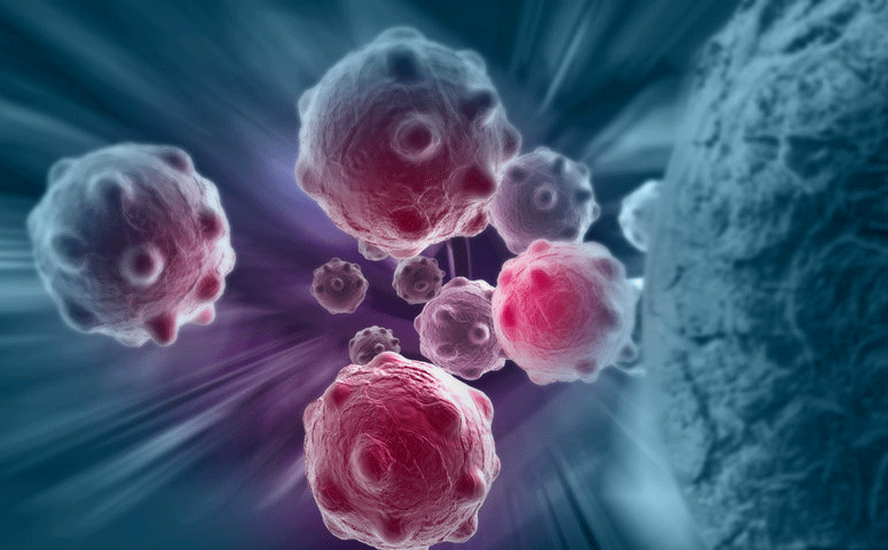
Canadian scientists have identified a previously overlooked biological process that could slow the advance of glioblastoma, the deadliest and most treatment-resistant form of brain cancer. Their findings also point to an existing drug that may be able to interfere with this process, potentially accelerating the search for new therapies.
Glioblastoma is notoriously difficult to treat because it rapidly invades surrounding brain tissue and adapts to conventional therapies such as surgery, radiation, and chemotherapy. The new research shows that the tumor does not act alone. Instead, it recruits help from nearby brain cells that were once believed to play only protective roles in healthy tissue.
Legal Notice / Disclaimer
Ahead of the Herd newsletter, aheadoftheherd.com, hereafter known as AOTH.Please read the entire Disclaimer carefully before you use this website or read the newsletter. If you do not agree to all the AOTH/Richard Mills Disclaimer, do not access/read this website/newsletter/article, or any of its pages. By reading/using this AOTH/Richard Mills website/newsletter/article, and whether you actually read this Disclaimer, you are deemed to have accepted it.