 RSS Subscribe
Stagflation Sojourn

By Michael Pento – President,Pento Portfolio Strategies
Stagflation is bad for most stocks in nominal terms and terrible for even more shares in real terms. The alarming employment data, coupled with a large spike in oil prices, helped send stocks down to their worst weekly performance in nearly a year last week.
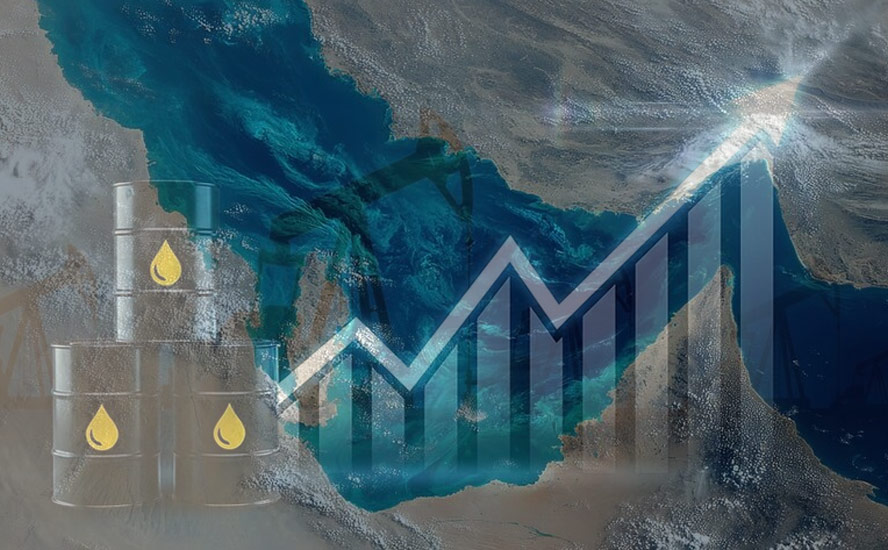
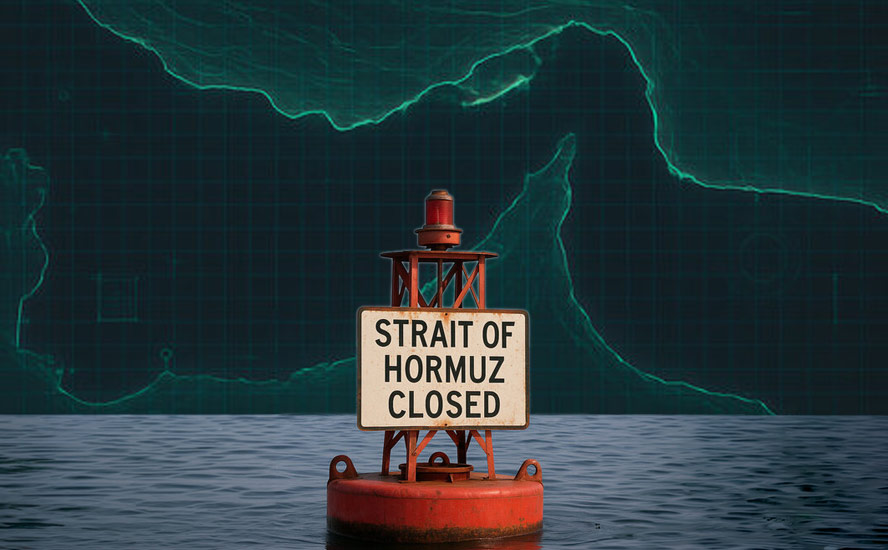
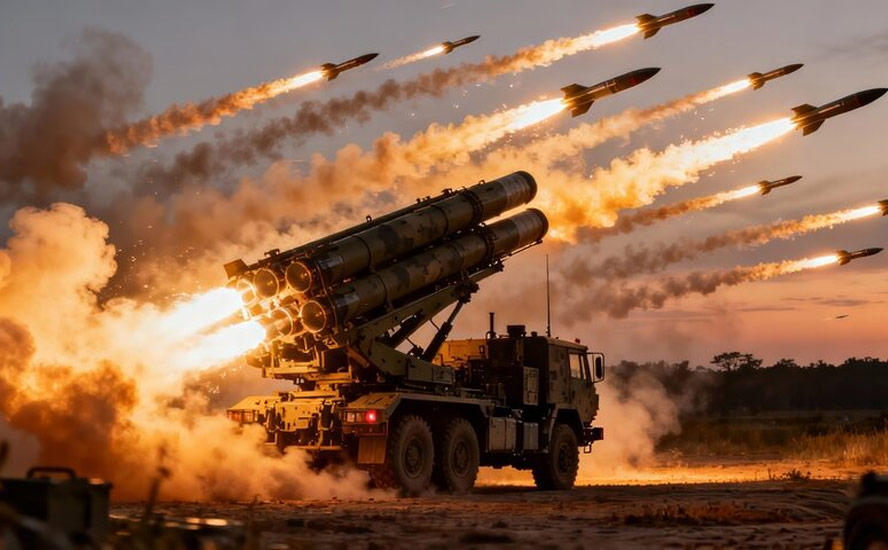
However, this is not a classic stagflation scenario caused by a surge in the monetary aggregates. It is instead the result of an energy shock and could therefore be at least partially reversed whenever a truce is reached in the war in Iran. The issue is the closure of the Strait of Hormuz, as 20 million barrels per day pass through the Persian Gulf.
If the US is indeed close to wiping out Iran’s ability to wage war, then they should not be able to keep the channel closed for very long. But is this the truth? President Trump said on Monday to CBS News that the war with Iran is “Very Complete”. As a result, the S&P rallied 2.5% off the lows of the day. However, an hour later he said the US will “Not relent,” and the war needs to “Go further”. The Secretary of War, Pete Hegseth, then followed by proclaiming the most intense bombing of Iran would occur on the day after Trump said the war effort was pretty much over. Iran subsequently started laying mines in the Strait. This is after the US energy secretary said the US was escorting tankers through the Gulf and that there was no mining being done, both of which turned out to be untrue. Is the fog of war, or the lies of war?
For me, there is a big similarity between how Mr. Trump deals with this war as he does tariffs—and they are highly susceptible to a comment and a tweet. Trump is the world’s best salesman. Once Brent crude spiked above $100 a barrel, US stocks started to dive. He then engineered comments intended to placate markets–even if they were untrue. This is much the same function that occurred with tariffs. The Liberation Day tariffs pronounced on April 2nd of last year were rescinded on April 9th after markets became “yippee”. We will most likely see something like that attempted with the situation in the Gulf. However, tariffs are not nearly as complicated as war. The assassination of the Ayatollah—Iran’s supreme leader–is a much greater transgression in the mind of the radical theocracy in Iran than is a duty placed on its exports.
There was perhaps a moral imperative to take out the leadership of Iran that recently slaughtered 10’s of thousands of its own citizens just for protesting the regime. However, there is no way the US has any business in a protracted war in Iran that involves nation-building. I suggest this conflict could have been concluded in 24 hours. After the US and Israel took out the heads of state, we should have just made the proclamation that if the new leadership pursues a nuclear weapon or conducts another mass murder of its population, we will take them out as well. But it is ultimately up to the people of Iran to put in place a benevolent regime and decide how their nation is run, not the US.
Regrettably, the battered US consumer, who was already suffering an affordability problem, is now having to deal with much higher energy prices. Higher energy prices hurt the consumer in two ways. First, the roughly $350 worth of fiscal stimulus per taxpayer from the OBBB is now going to be used to pay utility and gas bills instead of increased discretionary spending. And secondly, the higher inflation caused by spiking energy prices reduces the Fed’s ability to cut interest rates. In other words, the highly anticipated and well-touted fiscal and monetary boost for the economy in 2026 is being cancelled.
On top of this, we have an economy that is no longer creating net new jobs. The February NFP report highlights the weakness in the labor market. The economy lost 92k jobs last month, and the unemployment rate climbed to 4.4%, up from 4.3% in January. Also, the 2-month revisions showed that 69k fewer jobs were created than originally reported. In fact, over the past three months there has been an average of just 6k net new jobs created.
Meanwhile, the credit markets continue to fracture. BlackRock froze $1.2 billion in withdrawal requests from its $26 billion private credit fund. The company capped withdrawals at just 5%. This is after the company just last week had to put $400 million of its own cash to provide liquidity for the fund. Also, JPMorgan just announced it is marking down the value of the collateral held by private credit firms and reducing their borrowing capacity.
By the way, in case you are keeping score, the Fed printed $15 billion last week alone just to keep stock prices elevated. And Powell, who is by far the biggest money printer in American history, is not quite destroying the purchasing power of the dollar fast enough to please President Trump. So, he wants to replace him with someone that will do a better job of crumbling the currency. Yep, this is what the US has become. Accept it and profit from it is all we can do.
The energy-engendered stagflation is starting to rear its ugly head; yet it can be somewhat reversed if Trump finds the offramp I believe he is now seeking. Nevertheless, there should still be a more lasting premium in energy prices even after the war officially ends. This is because the energy dynamic has changed. Much like US sanctions and the confiscation of foreign assets discouraged countries from holding dollars and towards hoarding gold, energy may now be hoarded due to supply fears caused by US aggression in the Gulf.
We have been rebalancing the portfolio to thrive during this sojourn in stagflation. Buy and hold is a terribly lazy investment strategy, and one Pento Portfolio Strategies will never embrace.
Michael Pento is the President and Founder of Pento Portfolio Strategies, produces the weekly podcast called, “The Mid-week Reality Check” and Author of the book “The Coming Bond Market Collapse.”
Legal Notice / Disclaimer
Ahead of the Herd newsletter, aheadoftheherd.com, hereafter known as AOTH.Please read the entire Disclaimer carefully before you use this website or read the newsletter. If you do not agree to all the AOTH/Richard Mills Disclaimer, do not access/read this website/newsletter/article, or any of its pages. By reading/using this AOTH/Richard Mills website/newsletter/article, and whether you actually read this Disclaimer, you are deemed to have accepted it.