 RSS Subscribe
Scientists Solve a Decade-Old Mystery Behind Cancer’s Most Violent DNA Chaos
From SciTechDaily
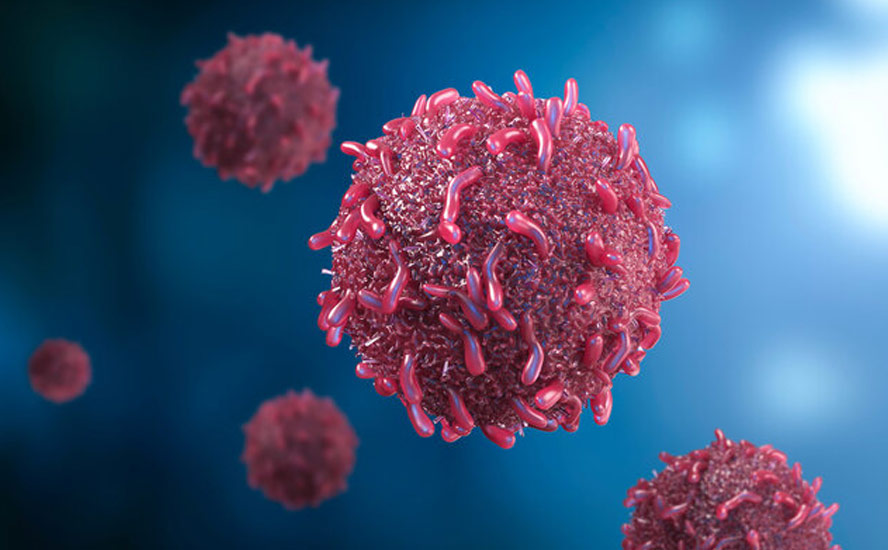
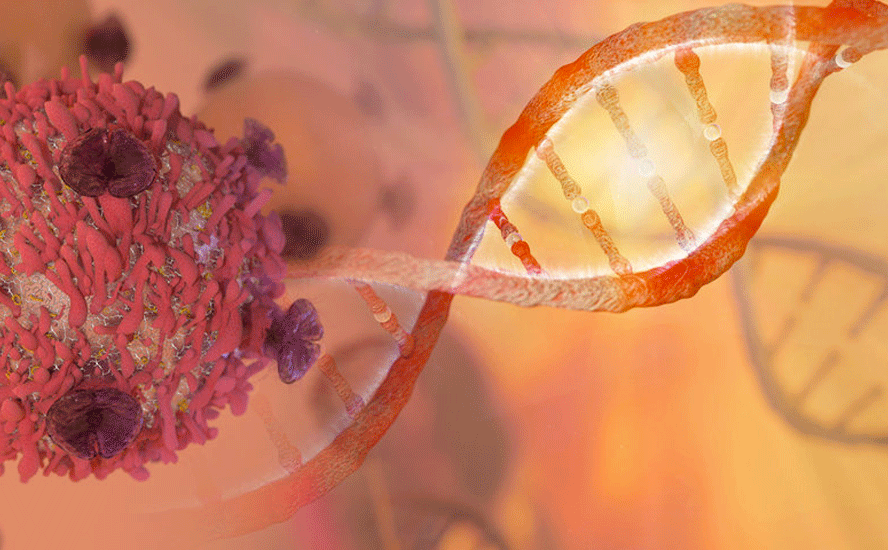
University of California San Diego scientists have identified the enzyme that drives chromothripsis, a phenomenon in which a single chromosome breaks apart and is stitched back together in a disordered way. This extreme genetic disruption allows cancer cells to adapt quickly and develop resistance to therapy.
Although chromothripsis was first described more than ten years ago and is now recognized as a key force behind cancer progression and treatment failure, its underlying cause had remained unknown. By uncovering what initiates this process, UC San Diego researchers have resolved a major unanswered question in cancer biology and revealed new opportunities for targeting the most aggressive tumors. The study was published in Science.
Legal Notice / Disclaimer
Ahead of the Herd newsletter, aheadoftheherd.com, hereafter known as AOTH.Please read the entire Disclaimer carefully before you use this website or read the newsletter. If you do not agree to all the AOTH/Richard Mills Disclaimer, do not access/read this website/newsletter/article, or any of its pages. By reading/using this AOTH/Richard Mills website/newsletter/article, and whether you actually read this Disclaimer, you are deemed to have accepted it.