 RSS Subscribe
How I Learned To Love the Bubble (Even Before it Bursts)
By John P. Hussman, Ph.D. – Hussman Funds
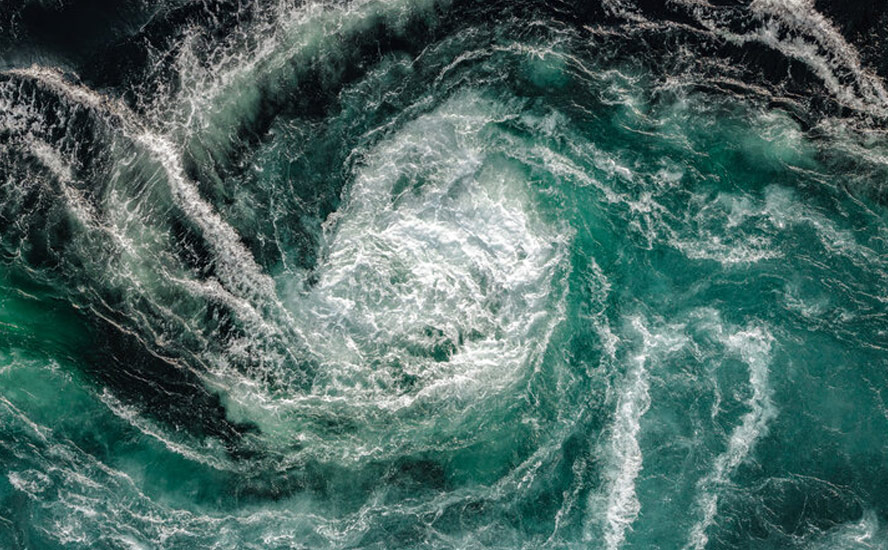
In seventh grade science class, we studied how things are classified – the systems used to organize various kinds of rocks, elements, species, different types of clouds. I’ve always liked the name “cumulonimbus” – the sort of big billowy heap of a cloud that has a dark grey underside – full of water, not yet transformed into rainfall. If you see those clouds and suddenly feel a cool breeze, that’s often the storm’s “gust front” racing ahead of the rain – and a good time to head for cover.
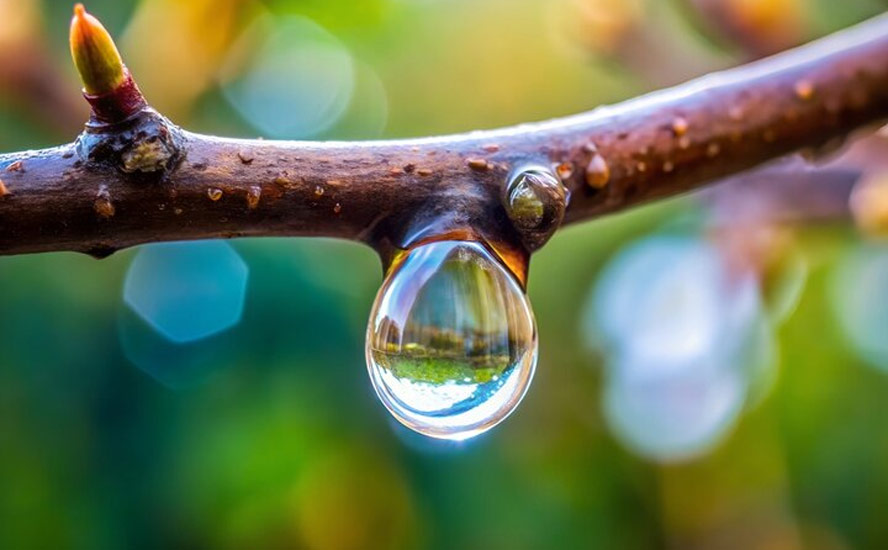
You wouldn’t look at the rainfall and think it has come from nowhere. Looking at the cloud, you know the rainfall was already there – just waiting for enough conditions to show itself. As warm, humid air rides up over the wedge of cooler air, the cloud builds – water vapor beading into droplets, gathering weight until they finally let go as rain.
We call rainfall a “conditioned” phenomenon because it depends on many other factors. When causes and conditions are sufficient, the rainfall manifests. When causes and conditions are no longer sufficient, the rainfall ceases to manifest.
Legal Notice / Disclaimer
Ahead of the Herd newsletter, aheadoftheherd.com, hereafter known as AOTH.Please read the entire Disclaimer carefully before you use this website or read the newsletter. If you do not agree to all the AOTH/Richard Mills Disclaimer, do not access/read this website/newsletter/article, or any of its pages. By reading/using this AOTH/Richard Mills website/newsletter/article, and whether you actually read this Disclaimer, you are deemed to have accepted it.