 RSS Subscribe
Bird feeders have caused a dramatic evolution of California hummingbirds
By Rachel Nuwer – Science.org
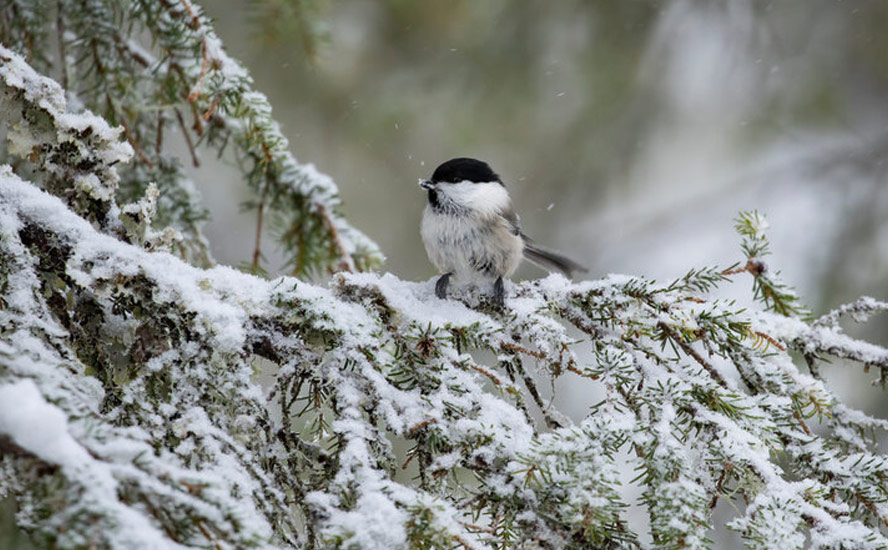
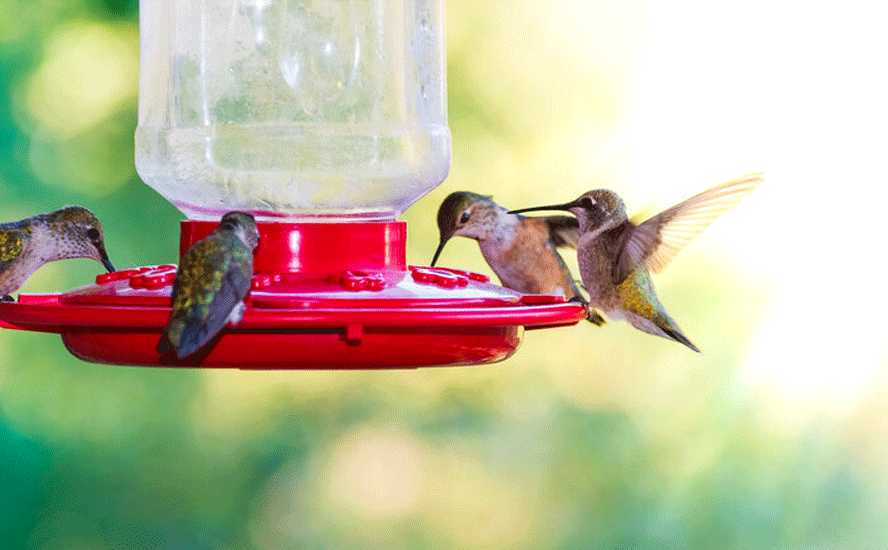
Hummingbird feeders are a beloved pastime for millions of backyard birders and a convenient dining spot for the birds. But for the Anna’s hummingbird, a common species in the western United States, feeders have become a major evolutionary force. According to research published this week in Global Change Biology, artificial feeders have allowed the birds to expand their range out of Southern California up to the state’s northern end. They have also driven a transformation of the birds themselves. Over just a few generations, their beaks have dramatically changed in size and shape.
“They seem to be moving where we go and changing quite rapidly to succeed in their new environments,” says co–lead author Nicolas Alexandre, who conducted the work when he was a graduate student at the University of California, Berkeley and is now a geneticist at Colossal Biosciences, a biotechnology company based in Dallas. “We can think of Anna’s hummingbird as a commensal species, similar to pigeons.”
Legal Notice / Disclaimer
Ahead of the Herd newsletter, aheadoftheherd.com, hereafter known as AOTH.Please read the entire Disclaimer carefully before you use this website or read the newsletter. If you do not agree to all the AOTH/Richard Mills Disclaimer, do not access/read this website/newsletter/article, or any of its pages. By reading/using this AOTH/Richard Mills website/newsletter/article, and whether you actually read this Disclaimer, you are deemed to have accepted it.