 RSS Subscribe
Five AOTH sponsors with aggressive exploration programs this year – Richard Mills
2026.04.11
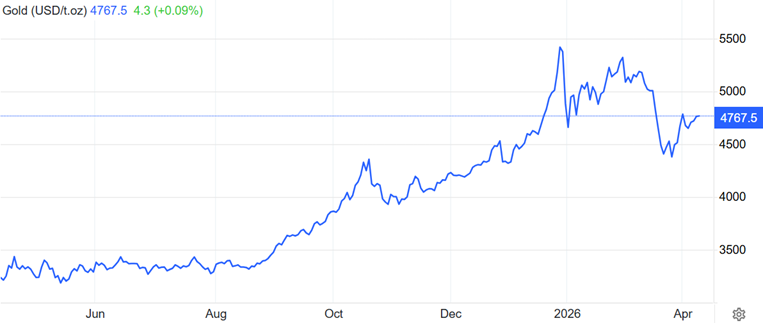
Metals prices are clawing their way back following the Iran war ceasefire called on April 7.
Gold is currently trading above $4,700, and while that is about $900 less than the record-high reached at the end of January, gold bull market fundamentals are arguably still in place.Part of the reason for that is central bank buying. In a new analysis published by EBC Financial Group, via Kitco News, central banks bought more gold in the past three years than at any point in modern history – and the concentration of bullion among BRICS+ members’ reserves is skyrocketing.
“BRICS+ nations now hold over 6,000 tonnes of gold, representing approximately 17.4% of total global central bank reserves, up from 11.2% in 2019,” Harris said. “Russia leads with 2,336 tonnes, China holds 2,298 tonnes, and India follows with 880 tonnes. Together, Russia and China control roughly 74% of the bloc’s total gold holdings.”
Silver is at $76.32, a large drop from the record $114 reached on Jan. 28, but a significant lift from the March 20 low of $54.76. Copper slumped to $5.27 on March 20 but has recovered to $5.86. The industrial metal hit a record-high $6.18 a pound on Jan. 29.
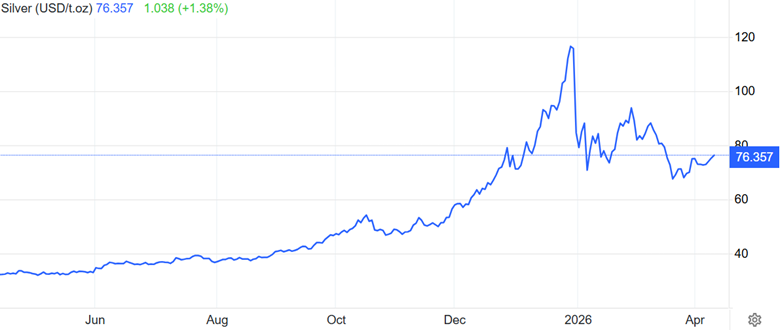
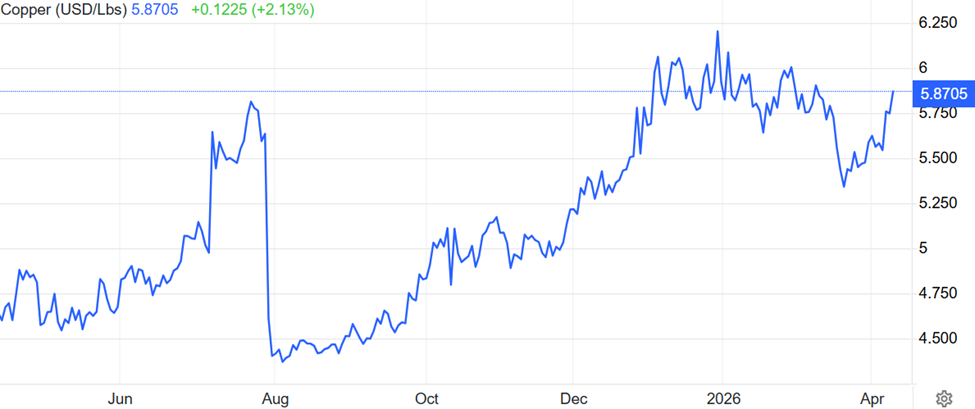
Despite selloffs at the end of January, and in mid-March due to the war in Iran sparking fears of inflation and higher interest rates, like gold, the market dynamics for silver haven’t changed. Industrial and institutional demand is exceeding mined supply, with 2026 expected to record the sixth straight year of deficits.
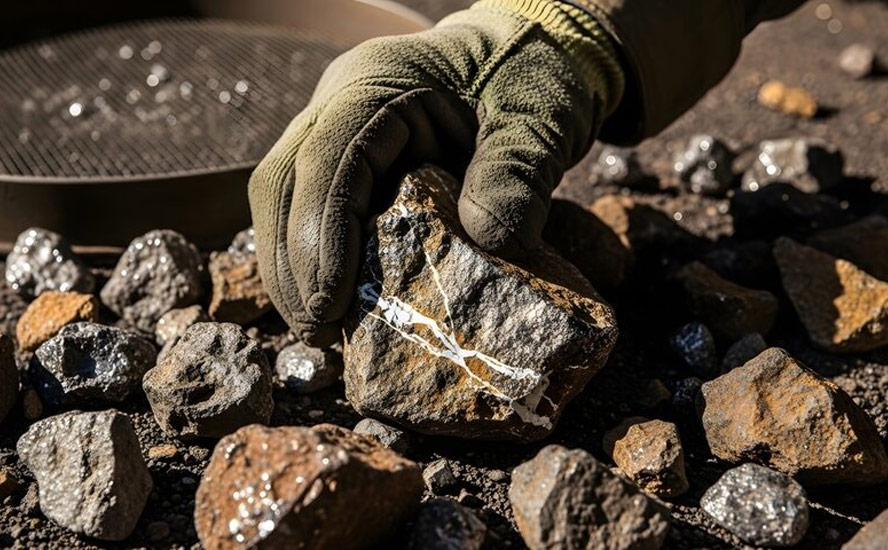
The silver shortage is real — Richard Mills
Copper market balance forecasts show a sharp shift from a projected surplus to a deficit in 2026. The International Copper Study Group (ICSG) officially abandoned its projected surplus for 2025 and now forecasts a 150,000-tonne deficit this year. J.P. Morgan’s models show the deficit will be more than double that, at 330,000 tonnes.
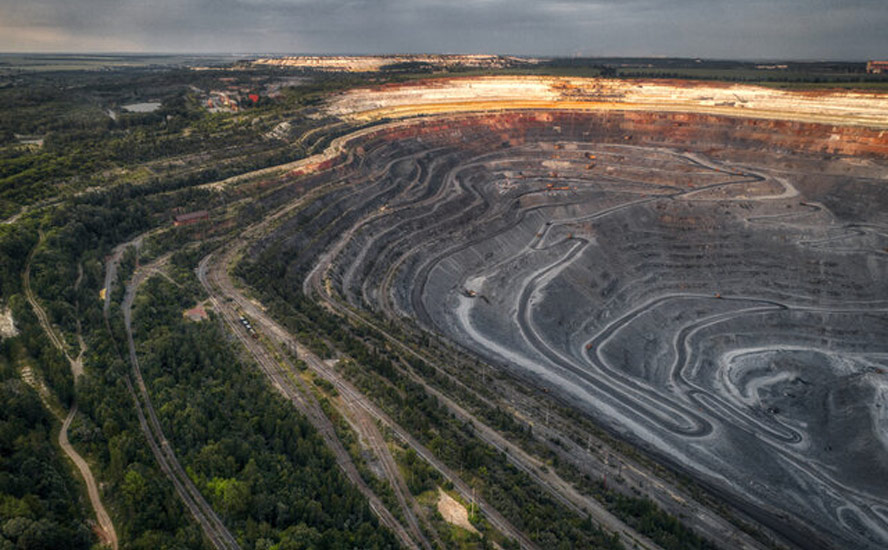
Driven by an unprecedented surge in hyperscale AI infrastructure and cascading mine closures, this massive shift in the outlook from green to red has already pushed current prices to historic highs, signaling that the era of abundant copper may be definitively over. (Mining Visuals)
A significant long-term deficit is projected, potentially exceeding 6 million tonnes annually by the early 2030s. Total output from copper mines in 2025 was 23 million tonnes, according to the USGS.
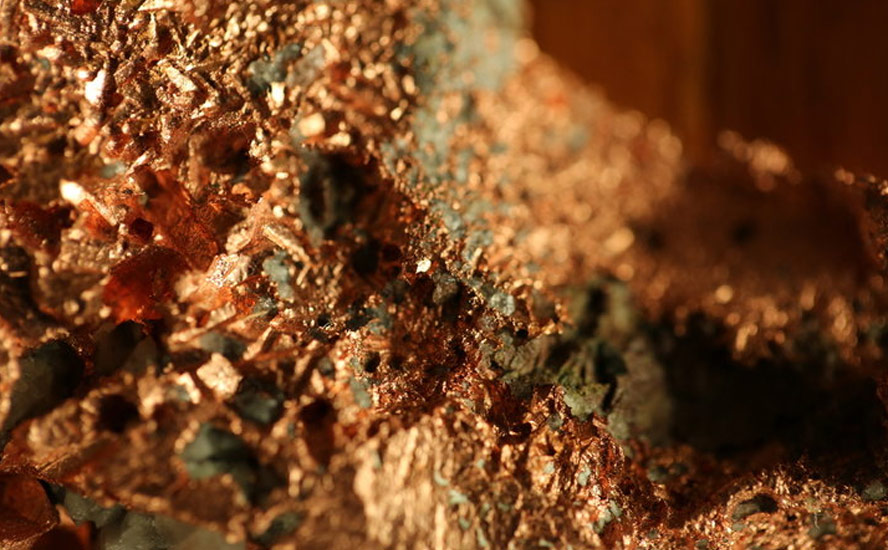
Why we’re running out of copper — Richard Mills
Notwithstanding ongoing volatility, the current uptrend in metals prices is good news for explorers and producers. Here we give a rundown of five AOTH sponsors that have had recent news, and all are planning aggressive exploration programs this year.
Cassiar Gold (TSXV:GLDC)
Cassiar Gold’s flagship project of the same name is a large orogenic gold property located in the Cassiar Mining District of northern British Columbia.
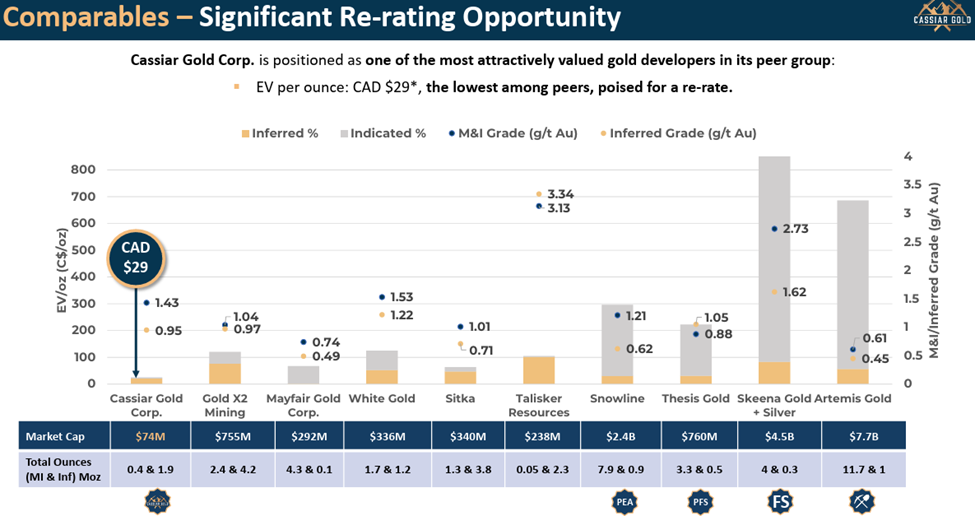
At AOTH we believe Cassiar’s project has substantial upside potential for both bulk-tonnage resources in the Cassiar North area, and high-grade gold targets in the Cassiar South area. The project is bisected by Highway 37, making it a true “roadside mine”. The company’s gold ounces in the ground, at an EV of CAD $29,00 per appear to be attractively priced compared to it’s industry peers.
The 2025 drill program consisted of 7,308 meters of expansion drilling at Cassiar North. Taurus and Newcoast were the targets. Remarkably, of 20 holes drilled, the drills hit mineralization in all 20. In fact, over the past five years, the success rate is 99%, an incredible hit ratio.
2025 results delivered notable extensions at bulk tonnage targets, for example 13.53 g/t over 13.4m, including visible gold intervals.
So far, Cassiar Gold has drilled under 0.3% of the land package, presenting a huge opportunity for expansion.
There is a foundational pit-constrained mineral resource estimate at the Taurus deposit, updated in 2025 using $2,400 gold. The resource is a combined 2.34 million ounces at 1.01 grams per tonne gold from surface, comprising 410,000 oz @ 1.43 g/t Au (Indicated) and 1,930,000oz @ 0.95 g/t Au (Inferred).
It represents just over one square kilometer of the 590 km2 land package, with 91% of the resource within 150 meters of surface, open for expansion laterally and at depth.
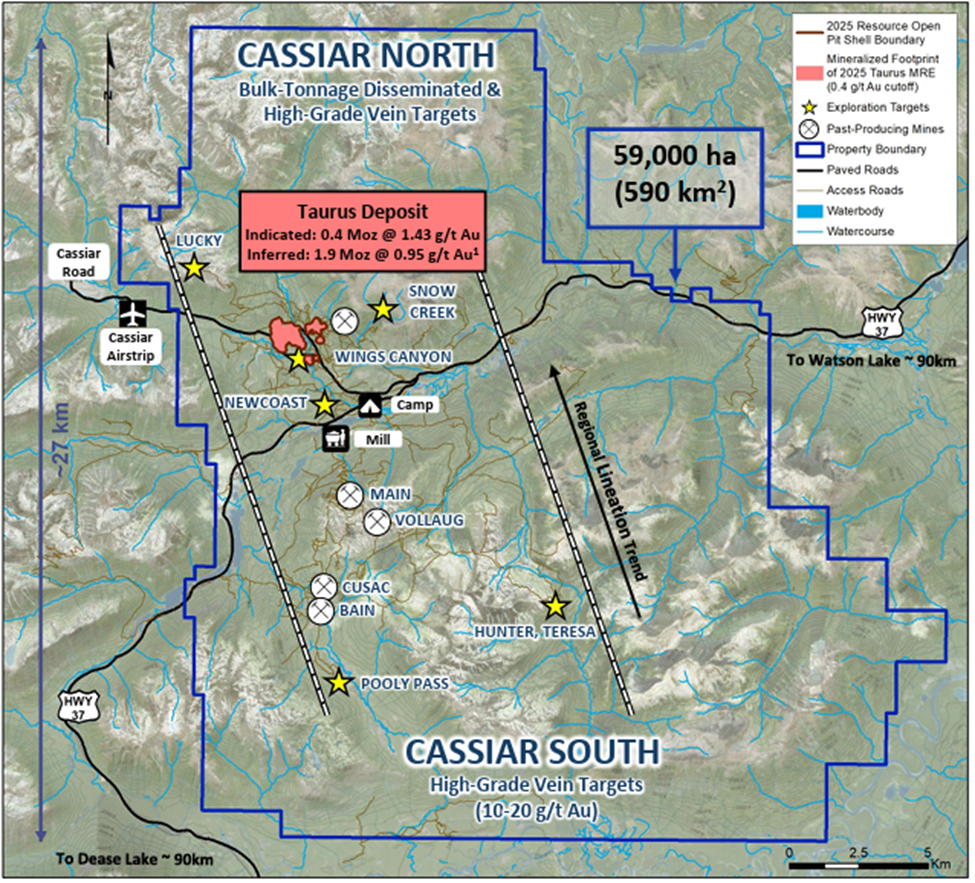
There are two existing mine permits on the property, enabling Cassiar to develop the bulk-tonnage targets at Cassiar North and the high-grade underground veins at Cassiar South simultaneously.
The company has just initiated a preliminary economic assessment (PEA) at its Cassiar Gold Project, targeted for completion in the third quarter.
The PEA, led by engineering, consulting, and project delivery firm Ausenco, will evaluate potential development scenarios for the project and assess the economic potential of the Taurus deposit.
A metallurgical assessment of the Taurus deposit is currently underway, with results expected in Q2.
Cassiar is also conducting a review of its permitted mill to assess pathways to support potential future development scenarios at past-producing higher-grade vein systems at the Cassiar South project area.
The latter provides high-grade optionality and a quicker path to cash flow than Cassiar North, which is much larger scale but could take up to six years to develop.
Cassiar Gold Project: Bulk tonnage in the north + high-grade veins in the south – Richard Mills
Cassiar Gold hits jewelry-box grades at Taurus — Richard Mills
Silver North (TSXV:SNAG)
On April 9, Silver North Resources announced that it has started a SkyTEM3123 airborne geophysical survey at its flagship Haldane Silver Project, located in the Yukon’s historical Keno Silver District.
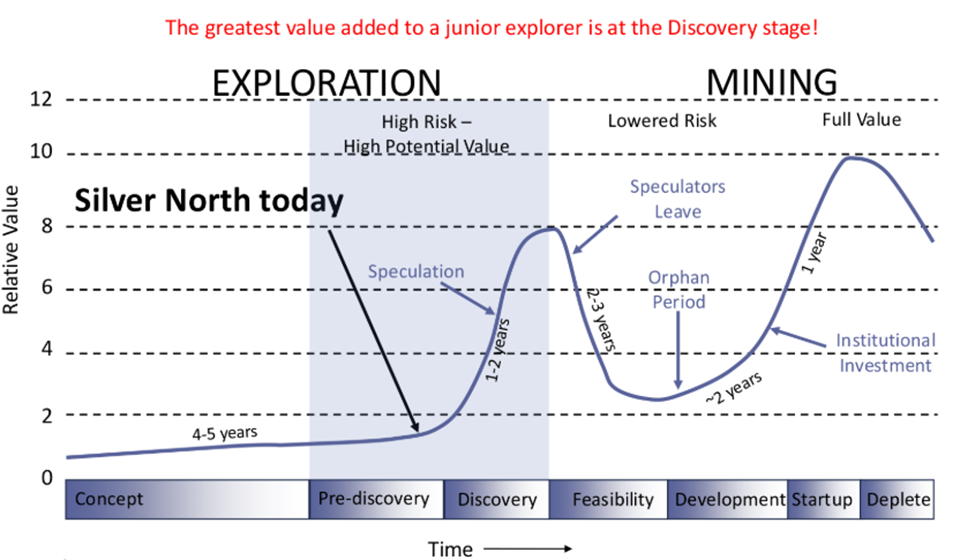
The survey will consist of 100-meter-spaced flight lines, with 1,000-meter-spaced tie lines for a total of 944 line-kilometers of survey. It will collect both magnetics and time domain electro-magnetic data. The purpose of the survey is to aid detailed drill hole targeting by refining the underlying geology, as well as helping define Haldane’s complex structural architecture, the company states.
“Completing this survey early in the season will allow us to interpret the data and use it to fine-tune our 2026 drill hole locations, provide a stronger outline of the structural architecture of the vein-hosting faults and potentially illuminate cross structures that we suspect might be present and could host significant silver mineralization,” stated Jason Weber, president & CEO.
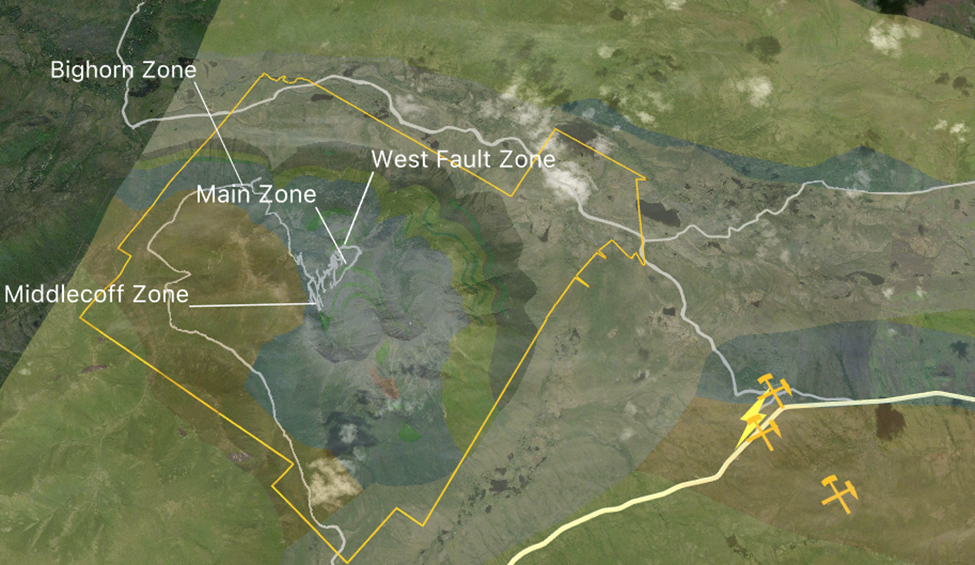
The road-accessible, 8,579-hectare Haldane property is 25 km west of Keno City, YT, adjacent to Hecla Mining’s producing Keno Hill silver mine. Haldane hosts several occurrences of silver-lead-zinc-bearing quartz siderite veins resembling the veins being mined at Keno Hill.
SNAG completed its 2025 drill program in mid-November at Haldane.
Highlighted results included 3.2 meters averaging 2,014 g/t silver, 1.72 g/t gold, 4.73% lead and 1.1% zinc within a larger 13.15-meter intersection of 818 g/t silver, 1.39 g/t gold, 2.54% lead and 0.98% zinc from 249.9 meters down hole.
Another sub-interval starting at 256.1m averaged 1,112 g/t silver, 4.61 g/t gold, 7.11% lead and 1.51% zinc over 1.25m.
On Dec. 10 an additional two holes were released. With five holes reported, the Main Fault has been extended to 100 meters on strike and 150m down dip in drilling and 300m down dip from surface.
Silver North’s geological theory was proven on its first hole, with consistent high-grade silver combined with significantly higher gold concentrations than seen anywhere else on the property.
The high silver grades indicate that Haldane is a pure silver play — a rarity in silver exploration, with most silver found as a byproduct of lead-zinc or gold. For example, hole HLD25-31 contained 81% silver, 12% gold, 5% lead and 2% zinc (by value).
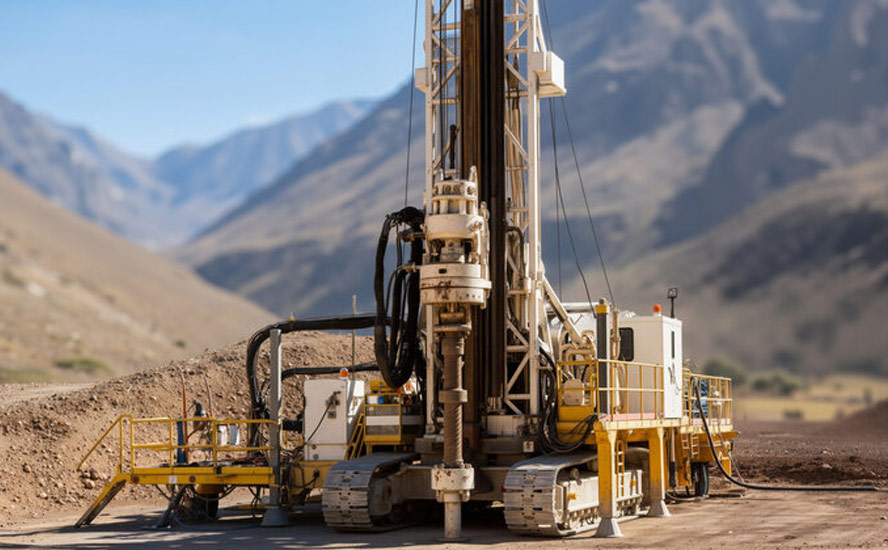
CEO Jason Weber recently told me two drill rigs will be going all summer for a 5-7,000-meter drill program focused on the Main Fault. The company is cashed up with CAD$11.6 million in gross proceeds from a brokered LIFE private placement.
Under the Spotlight – Jason Weber CEO, Silver North
Silver North’s drill results set the table for bigger 2026 drill program — Richard Mills
Mercado Minerals (CSE:MERC)
Mercado’s Copalito Project is approximately 123 km northeast of Culiacan, Sinaloa, Mexico. The property has good access, moderate topography and infrastructure nearby. The neighboring property to Copalito is McEwen Inc’s (NYSE:MUX) El Gallo mine complex, located 35 km to the west.
Six known veins on the optioned project have a cumulative strike length of 8 km.
In March, MERC began its first drill program at Copalito.
Mercado commences maiden drill program at Copalito — Richard Mills
The 3,000-meter program encompassing about 25 holes will target five segments of known veins at 5 Señores, El Agua, La Chiva and El Pilar.
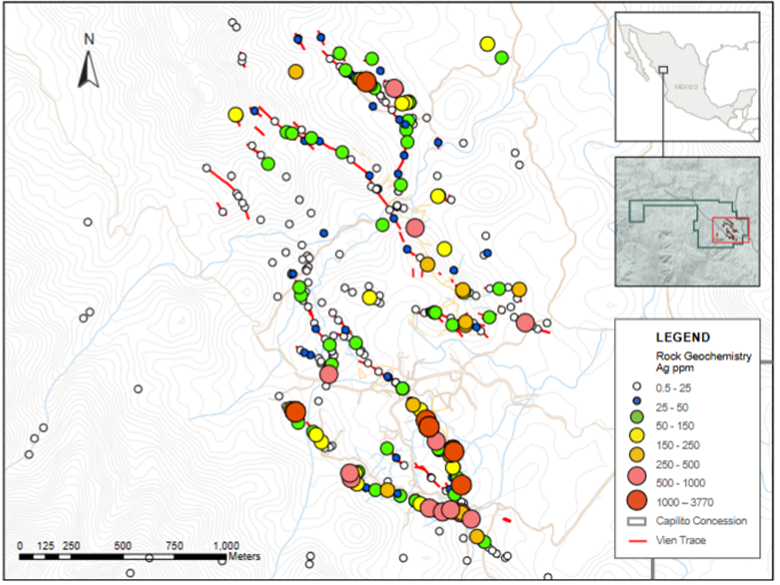
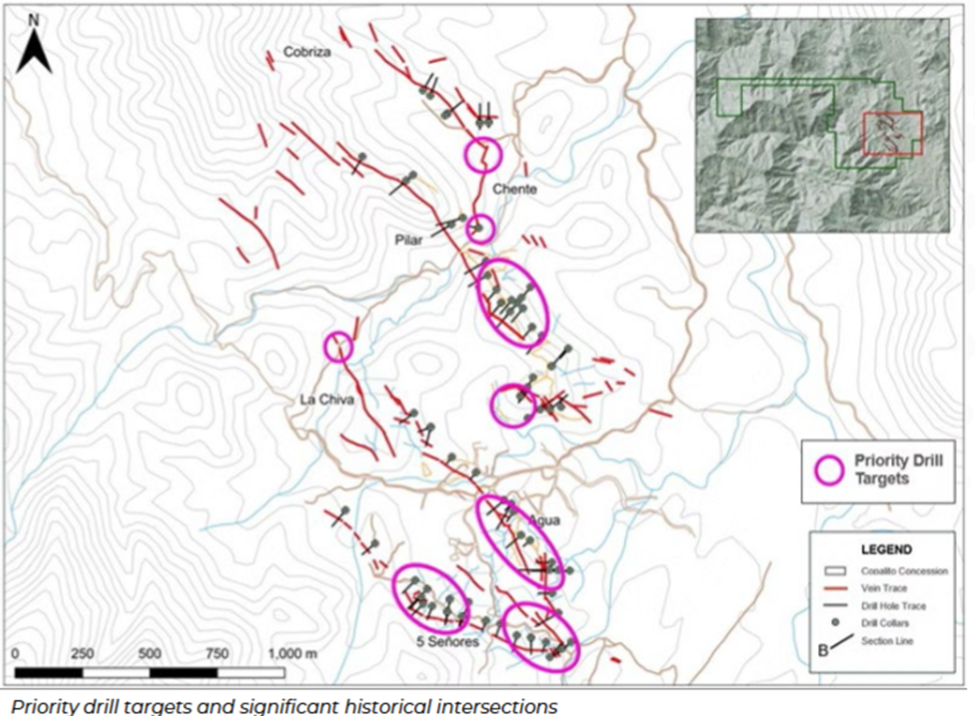
5 Señores and El Agua will be the initial veins tested.
According to Mercado, only 60% of the 5 Señores, El Agua, La Chiva and El Pilar veins have been drilled to an average depth of 100 meters. The maiden drill program aims to determine possible structural controls on the strength of silver-gold bearing vein mineralization. Holes will target areas of potential thickening of vein mineralization, higher grades as well as step out along strike and to depth in several areas.
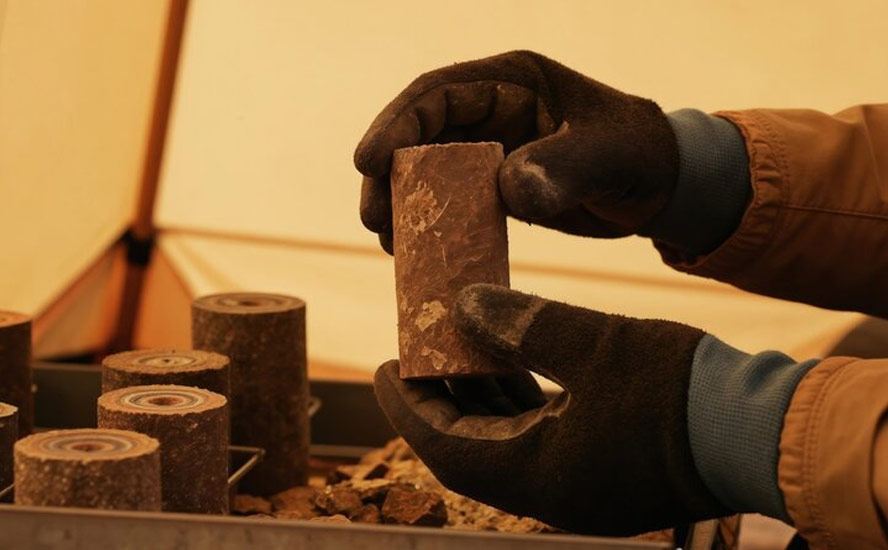
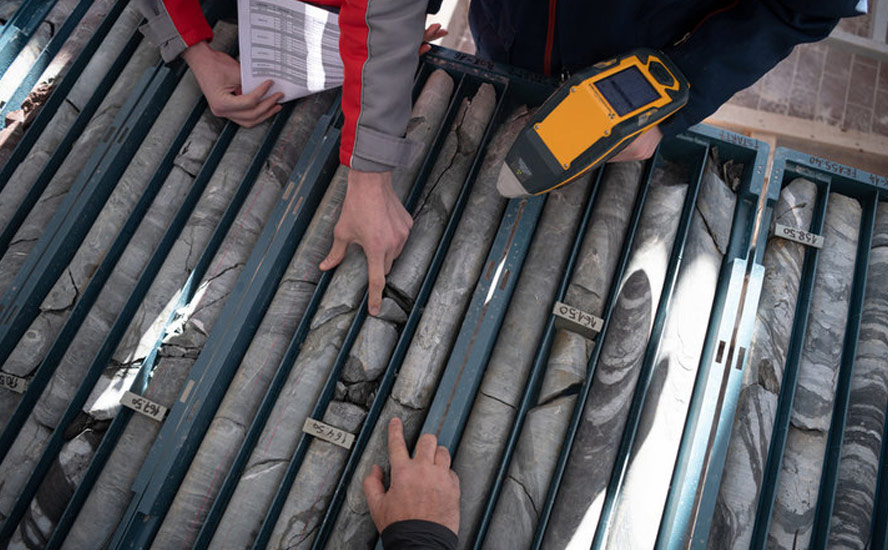
Mercado has been in the field since January. The crew is resampling gold, lead and zinc vein mineralization in select historical drill core from the six known veins.
The company also plans to re-log historical core to refine geological understanding; advance logistics for the first-phase drill program, including securing drill pad access, water, power, drill and equipment contractors, and further refine drill targets and other necessary operational infrastructure for the now ongoing drill campaign.
Mercado announced an update to the program on Feb. 19.
The company identified three new veins just by walking the property and taking surface samples. Assays are pending.
On April 2, Mercado published the results of LiDAR and airborne magnetics geophysical surveys at Copalito. The company says the analysis has revealed a number of potential pits, shafts, adits, outcrops and veins associated with magnetic features throughout the property.
“The LiDAR survey is a great tool to help guide our team to new areas of interest. LiDAR analysis, in conjunction with the airborne magnetics, successfully identified many of the known veins and structures without having access to that existing information. This gives us more confidence in the new potential veins and structures identified by the interpretation method. The goal is to generate new targets for future drilling and to start to show the full potential of the Copalito project,” CEO Daniel Rodriguez stated in the news release.
Kodiak Copper (TSXV:KDK)
Kodiak Copper’s 2026 exploration program at MPD begins this month.
Plans for the MPD Copper-Gold Porphyry Project in southern British Columbia were outlined in an April 9 news release. They include a substantial drill program complemented by geophysical surveys, soil sampling, prospecting and mapping.
MPD Project: Kodiak Copper focusing on resource expansion in’26 — Richard Mills
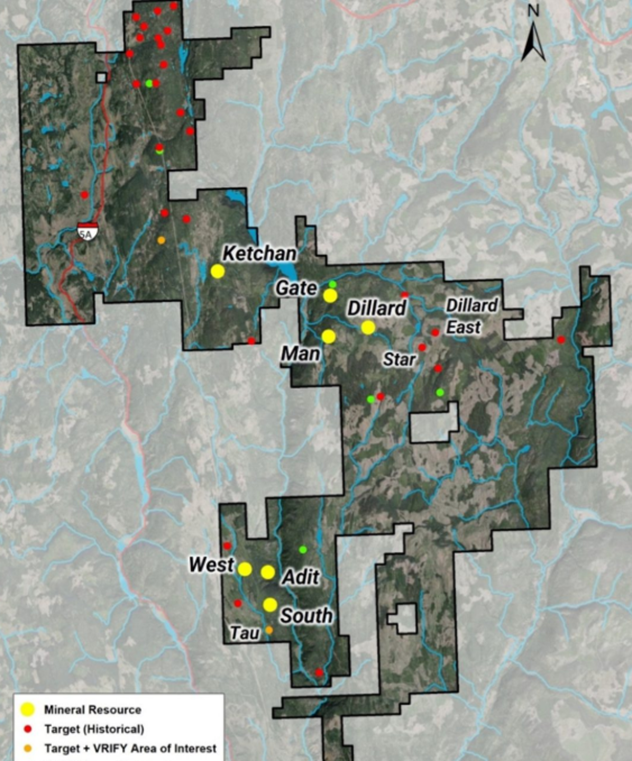
Drilling will focus on growing the recent initial mineral resource estimate (MRE) and will also test several prospective exploration targets with the potential for new discoveries.
The Vancouver-based junior reported on Dec. 9 that the resource estimate for MPD includes seven deposits in total, with four deposits reported in June and three reported in December.
Kodiak Copper publishes sizable maiden resource estimate with lots of room to grow — Richard Mills
Drilling will start at the Ketchan deposit, and it’s expected that most of the seven deposits will be drilled in 2026, with drill meter allocation guided and refined based on ongoing results.
The drill program is anticipated to total 6,500 meters, with scope for expansion as the program progresses.
Kodiak has also identified 16 new exploration targets at MPD, including historical showings on recently acquired claims, prospects from 2025 regional exploration program and areas of interest generated by VRIFY artificial intelligence assisted targeting.
To date, the total number of prospective targets identified for follow-up is 36, highlighting the continued exploration upside and discovery potential on the MPD Project.
Kodiak plans to advance or drill several of these compelling targets in 2026, including the Dillard East, Star and Tau targets.
Kodiak Copper has successfully highlighted a large, open-pit initial resource, which shows the scale and potential of MPD and lays the foundation for future resource growth and development.
Between the Indicated and Inferred categories, the resource amounts to 2.408 billion pounds of copper and 1.67 million ounces of gold.
For an initial maiden resource those are great numbers and the team is to be congratulated for running an extremely successful project so far. But now, as the company forward, the most important aspect of the MPD story is the potential copper and gold upside on the known resource plus the very real potential upside from further exploration, not only on existing known mineralization but new discoveries as well.
All deposits at MPD remain open for expansion within and beyond the MRE pit shells, most in multiple directions and at depth.
“This year’s exploration program will prioritize resource expansion and test multiple target areas with the potential to add meaningful tonnage to our existing deposits,” said Kodiak’s Chairman Chris Taylor.
Golden Goose Resources (CSE:GGR)
Golden Goose’s flagship project is Gran Esperanza, located in Río Negro Province, Argentina.
Valcheta Exploraciones S.A.S. optioned the epithermal gold-silver project to Golden Goose in January.
Under the option agreement, Golden Goose would acquire 100% of Gran Esperanza through a series of cash payments and exploration expenditures totaling USD$4.448 million.
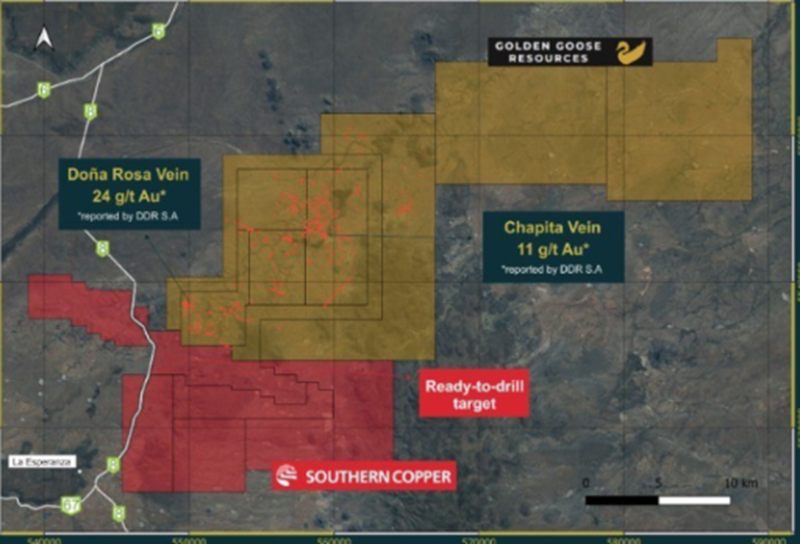
Among the project highlights are about 44,400 hectares of year-round accessible terrain in the Los Menucos District, North Patagonian Massif, a region known for its high-grade precious metal potential.
The property is surrounded by major operators including Southern Copper (NYSE:SCCO) and Patagonia Gold (TSXV:PGDC). SCCO is drilling a gold project and PGDC is developing its Calcatreu Project.
There are 10 km of historically mapped, low-sulfidation epithermal gold vein exposures, with veins widths averaging about 1.5 meters, and strike lengths ranging from 50 to 2,500m.
Thirty trenches have been excavated exposing 2,937m of epithermal veins; 690 channel samples were collected, with reported grades up to 2m at 24 g/t Au, demonstrating high-grade potential from surface.
In total there are 1,674 rock samples, including grab, chip, channels and float. The veins are characterized by drusy quartz, banding, crustiform and carbonate replacement. The rock chip samples feature grades up to 24.4 g/t Au.
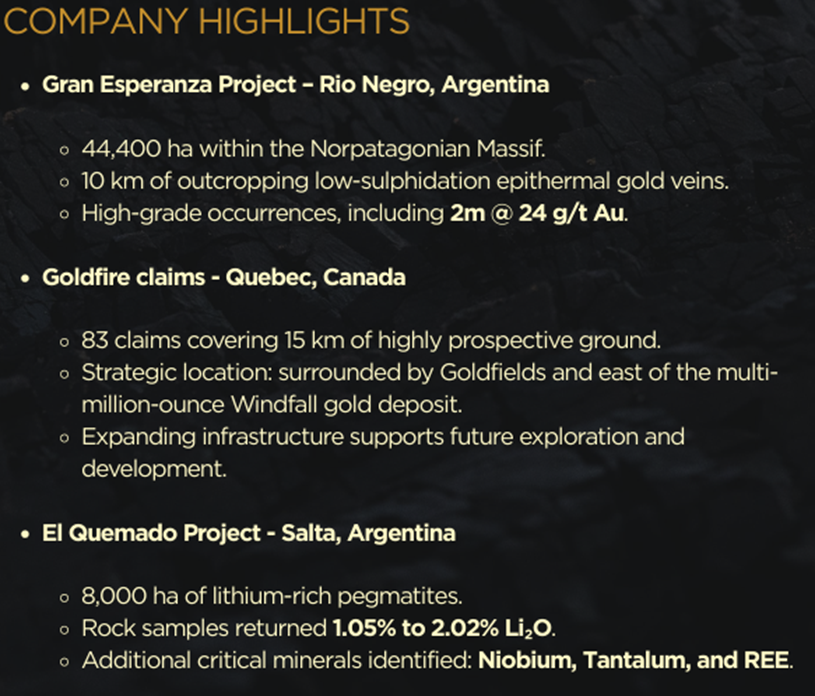
During a site visit in December, the company collected four rock chip samples from exposed veins. Three chip samples returned gold values above 2 g/t Au, including one sample grading 14.34 g/t Au, providing confirmation of the high-grade potential in the mineralized system.
Gran Esperanza contains several drill-ready targets in what Golden Goose says is an extremely attractive precious metal district.
In March, GGR commenced systematic geological mapping and channel sampling at the project
The mapping and channel sampling program represents the first phase of a comprehensive field campaign designed to better define the epithermal vein system and refine priority exploration targets across the property.
According to the company, work will include property-wide geological mapping, detailed structural mapping within key mineralized corridors, and systematic channel sampling across exposed quartz veins and associated alteration zones. Geological crews will characterize lithological units, alteration assemblages, vein orientations and structural controls on mineralization. Channel samples are being collected at approximately 50-meter intervals along veins to assess grade distribution and strike continuity. The data generated from the program will help to refine GGR’s geological model and to identify high-priority targets for potential diamond drilling.
Richard (Rick) Mills
aheadoftheherd.com

Subscribe to AOTH’s free newsletter
Richard does not own shares of Silver North Resource(TSX.V:SNAG), Cassiar Gold (TSXV:GLDC), Golden Goose Resources (CSE:GGR), Kodiak Copper (TSXV:KDK) and Mercado Minerals (CSE:MERC).
Silver North Resource(TSX.V:SNAG), Cassiar Gold (TSXV:GLDC), Golden Goose Resources (CSE:GGR), Kodiak Copper (TSXV:KDK) and Mercado Minerals (CSE:MERC) are paid advertisers on his site aheadoftheherd.com
This article is issued on behalf of Silver North Resource(TSX.V:SNAG), Cassiar Gold (TSXV:GLDC), Golden Goose Resources (CSE:GGR), Kodiak Copper (TSXV:KDK) and Mercado Minerals (CSE:MERC).
Legal Notice / Disclaimer
Ahead of the Herd newsletter, aheadoftheherd.com, hereafter known as AOTH.Please read the entire Disclaimer carefully before you use this website or read the newsletter. If you do not agree to all the AOTH/Richard Mills Disclaimer, do not access/read this website/newsletter/article, or any of its pages. By reading/using this AOTH/Richard Mills website/newsletter/article, and whether you actually read this Disclaimer, you are deemed to have accepted it.