 RSS Subscribe
The nightmare scenario for global trade
From The Economist
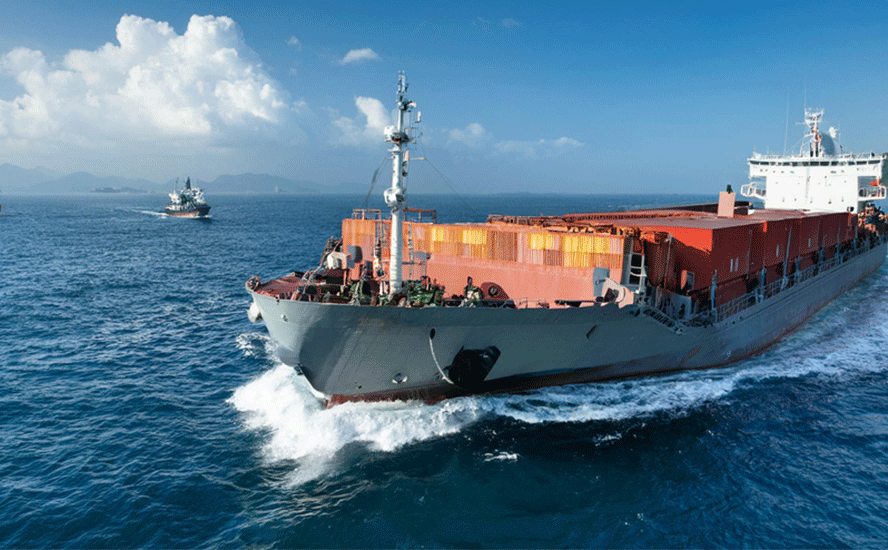
The journey from Shanghai to Rotterdam takes a container ship a month. Setting out at night, the vessel—a shadow amid glowing pleasure boats—begins by sliding past the Chinese city’s banks. Over the following fortnight it snakes through the Taiwan Strait and the South China Sea, threads the Strait of Malacca and crosses the Indian Ocean. Next come the Bab al-Mandab and the Suez Canal. Then the ship passes Gibraltar. After 30-odd days, it coasts through the English Channel, approaching its destination.
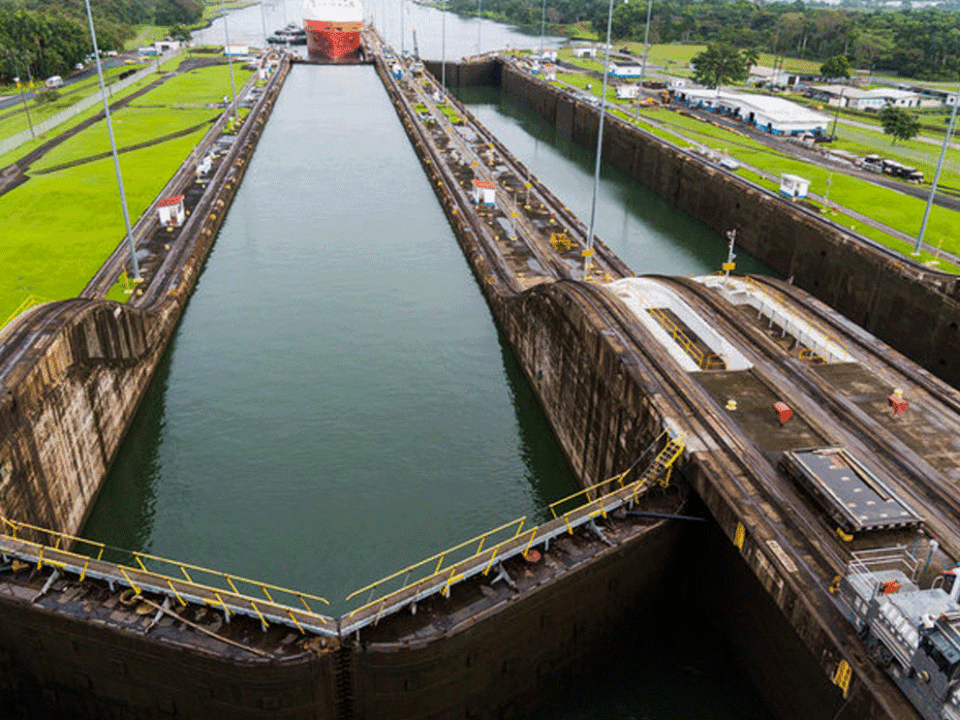
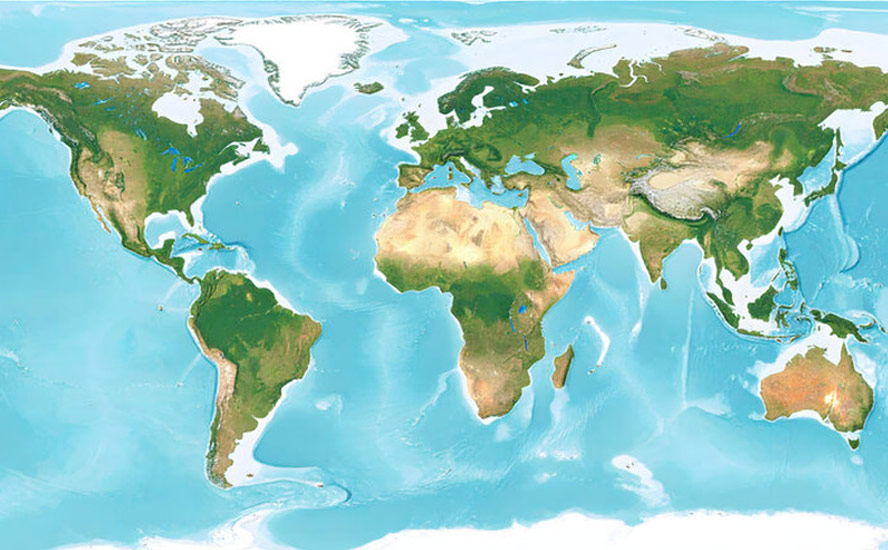
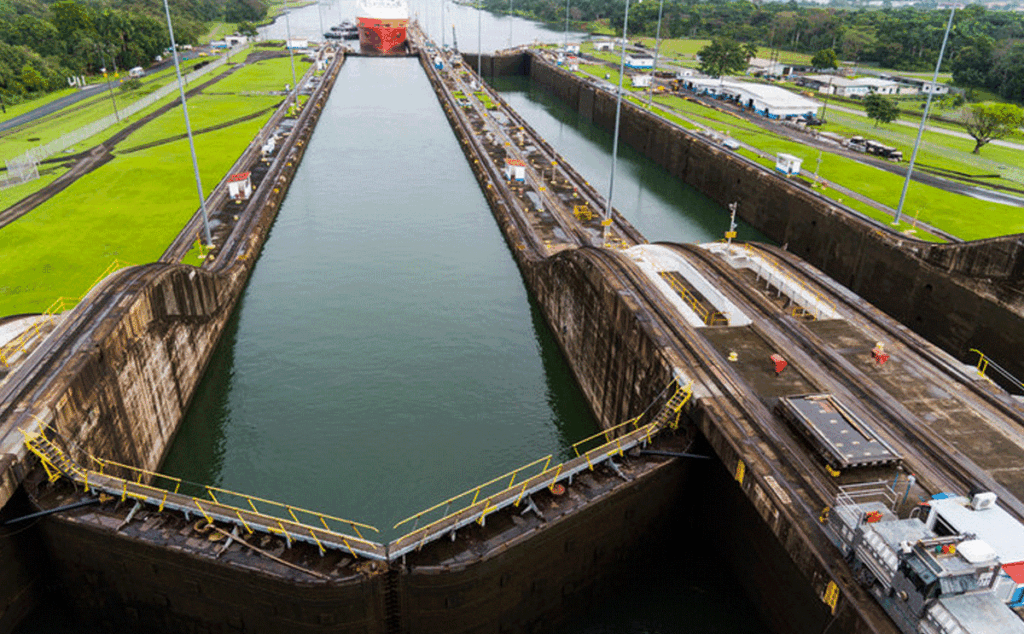
Since the 1960s these waterways have been taken for granted. Now that the Strait of Hormuz is closed and the Red Sea hostage to the whims of Yemeni militias, it is clear that even a superpower with America’s might cannot guarantee safe passage in the face of drones, speedboats and mines. Shipping firms and world leaders are waking up to the fact that freedom of navigation is breaking down. Where, then, is international commerce most vulnerable? And where would be the most painful place for the next blockage?
Legal Notice / Disclaimer
Ahead of the Herd newsletter, aheadoftheherd.com, hereafter known as AOTH.Please read the entire Disclaimer carefully before you use this website or read the newsletter. If you do not agree to all the AOTH/Richard Mills Disclaimer, do not access/read this website/newsletter/article, or any of its pages. By reading/using this AOTH/Richard Mills website/newsletter/article, and whether you actually read this Disclaimer, you are deemed to have accepted it.