 RSS Subscribe
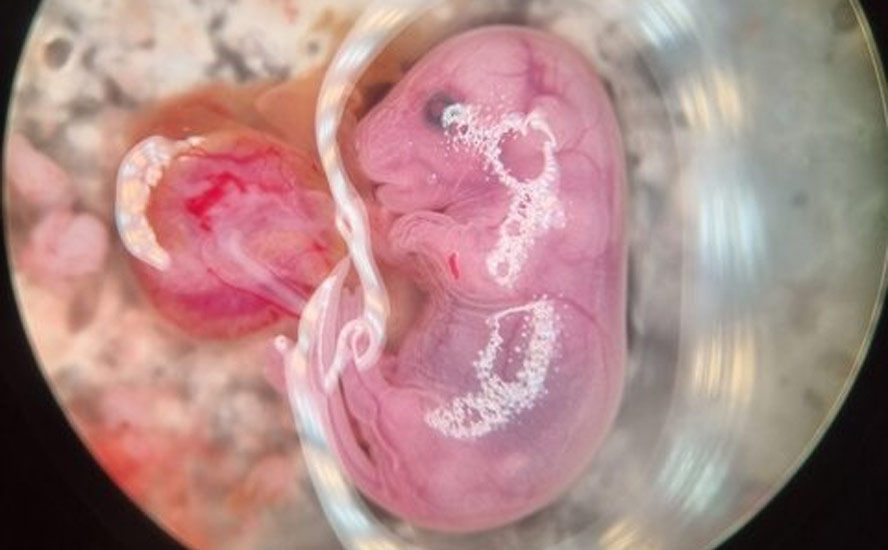
Scientists Are Growing Human Organs In Animals—And It’s Working
By Darren Orf – Popular Mechanics
The word “chimera” usually evokes images of mythological, multi-headed beasts, but the term also comes with more modern, scientific connotations. For one, there have been around 100 or so documented cases of human chimeras—people with two distinct genetic cell lines (often the result of one fraternal twin absorbing the other in utero). In some extremely rare cases, unborn twins can become the genetic parent of a chimera’s offspring.
A more common form of chimerism is actually reflection of the concept’s mythical, animalic roots—interspecies chimerism. Famously, in 2017, scientists created the world’s first human-pig chimeras (in this case, a pig embryo with a tiny collection of human cells) in the hopes of growing human-compatible organs for transplantation. Fast forward eight years later, and the process still remains tricky, as a host organism’s cells—such as a mouse’s or a pig’s—have defenses known as “RNA innate immunity” that allow the host’s cells to outcompete human cells during the chimeric process.
Legal Notice / Disclaimer
Ahead of the Herd newsletter, aheadoftheherd.com, hereafter known as AOTH.Please read the entire Disclaimer carefully before you use this website or read the newsletter. If you do not agree to all the AOTH/Richard Mills Disclaimer, do not access/read this website/newsletter/article, or any of its pages. By reading/using this AOTH/Richard Mills website/newsletter/article, and whether you actually read this Disclaimer, you are deemed to have accepted it.