|
The Life Cycle of Money Many are becoming increasingly alarmed by the way
western governments are currently managing fiat currencies. A growing
number of analysts and media pundits have been highlighting the debasement of
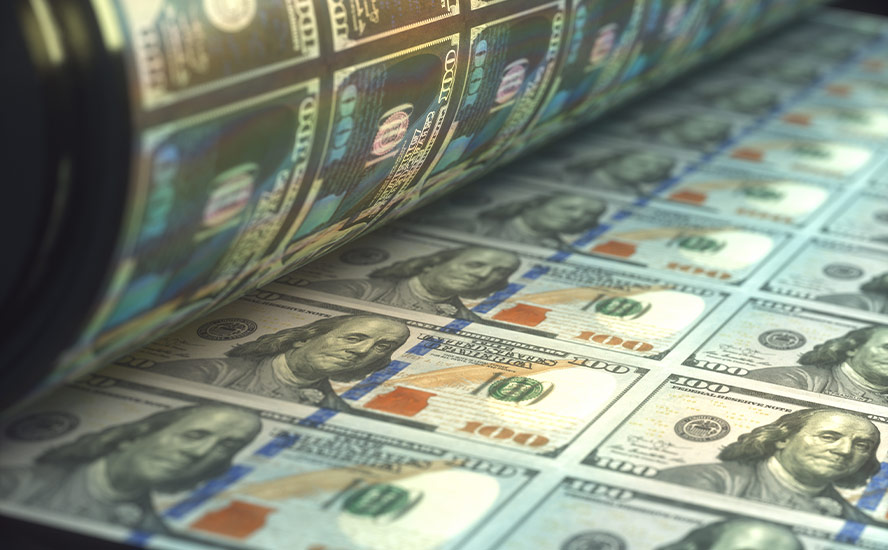
currencies via quantitative easing and other massive money creation schemes worldwide.
This Keynesianism on Steroids
approach to global economic recovery is fast tracking all nations to ever-increasing
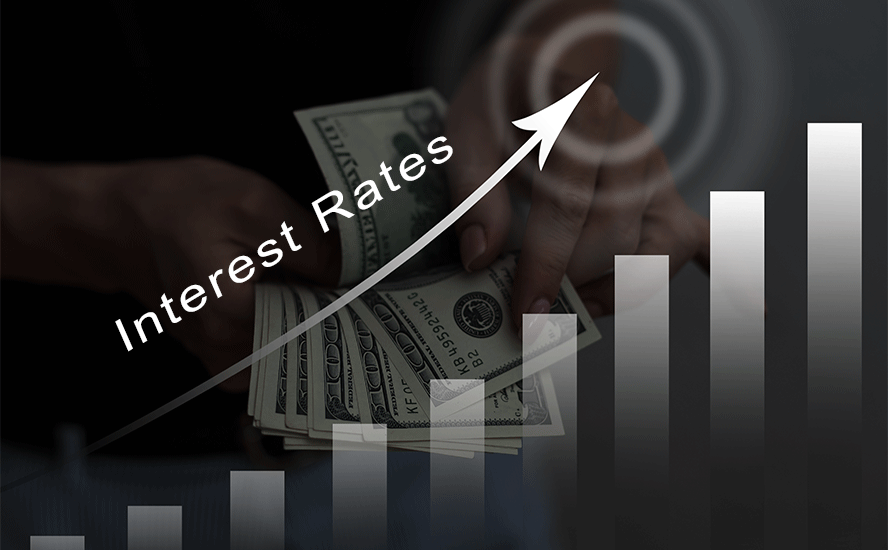
rates of inflation. This said, monetary debasement
is not a new or recent phenomenon; in fact it is the natural life cycle of
money. There are seven stages in the life cycle of money that every
dominant civilization has followed for the past 5000 years of recorded
history:
Societies organize and begin to function with a
basic barter system for trading goods. Incipient barter is a direct exchange of
goods for goods. Goods are defined as wealth, and wealth is produced when
humans apply labor to extract natural resources from the earth. As the civilization progresses, services
become valued and are bartered. Other
than hard assets, real estate, and sundries, many necessary items are highly
perishable, so there is limited savings and investment. In this case, the
goods and services that a person barters and the perceived value of those
particular entities in the community represents the productive capacity of
individuals, groups, and family wealth. Free Market
Money Emerges After a barter / exchange economy is
well-established, a society progress to the concept of free market money
and a currency system emerges. Having
a recognizable, reliable, and uniform unit of monetary exchange makes it
simpler to conduct commerce, business, and trade within and between
communities and societies.
Traditionally, these monetary systems have been based on hard assets
that were highly valuable, scarce, easily commoditized, durable, and easily
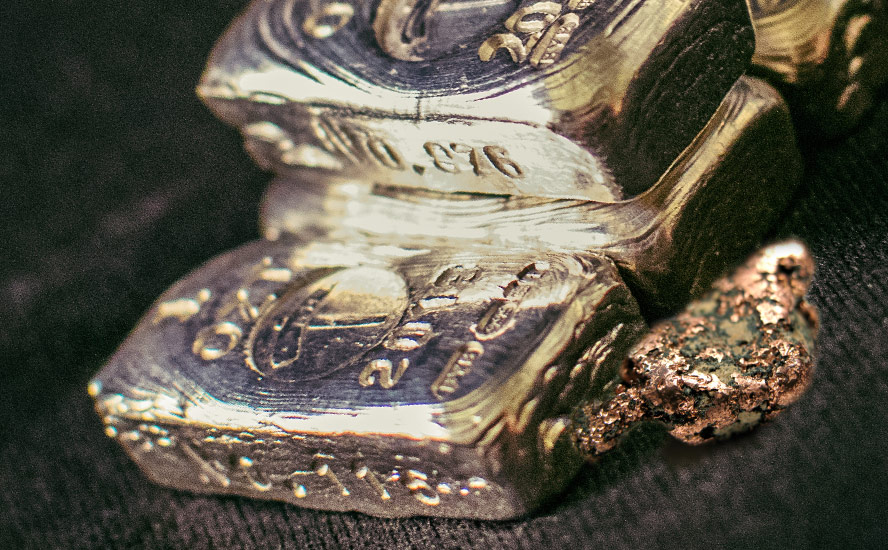
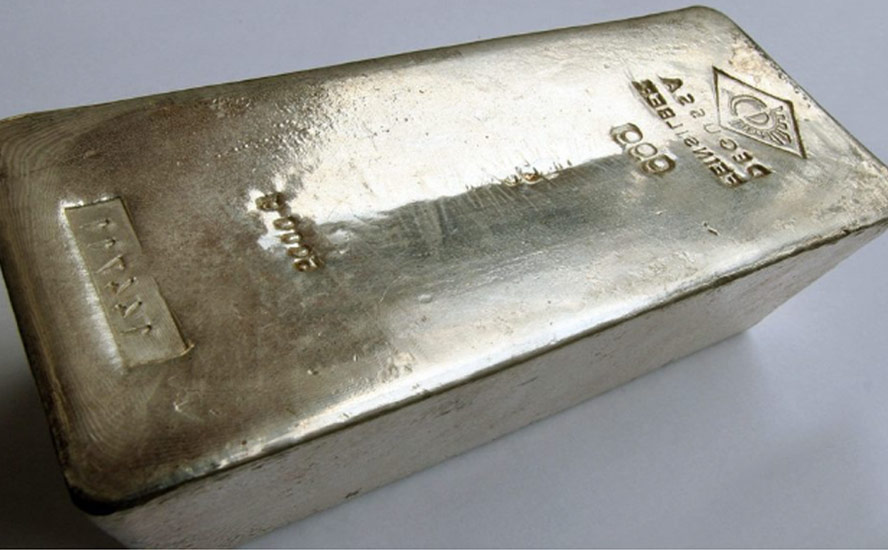
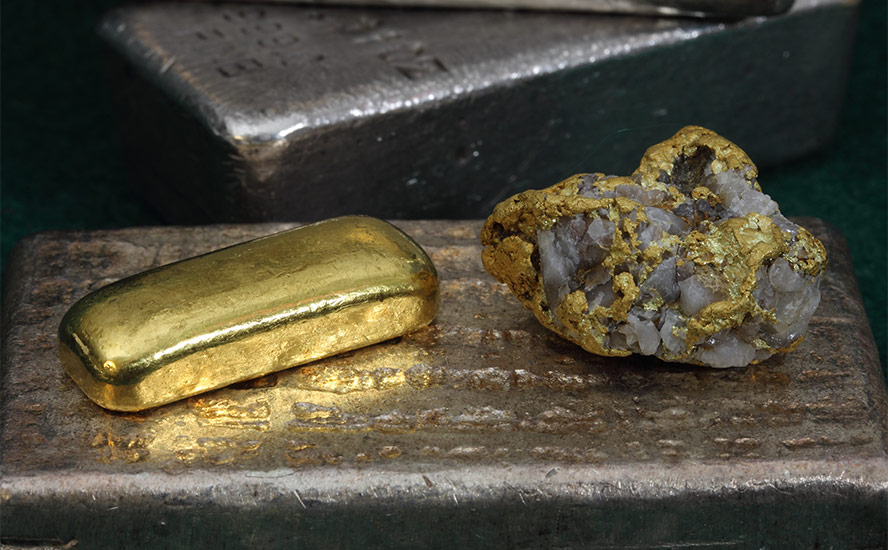
transportable. Because of this, the primary currencies of choice, for the past 5000 have been gold and
silver. Many civilizations have selected precious metals as their natural
monetary foundation based on common sense and reason, in many cases
independently of each other. Aristotle laid out the following
criteria for the perfect money nearly 2500 years ago: It must be durable,
portable, divisible and consistent, and have intrinsic value. As such, gold has been determined, over human history
to be the best store of value because of its relative scarcity; it can
be minted in uniform pieces; it is small enough to transport great distances;
it does not tarnish or corrode; and it is easily stored. Although not as immutable or scarce as gold,
silver often has served as the primary instrument of monetary trade and
exchange, often functioning as the poor
man’s gold. Government
Emerges and Regulates the Free Market Communal order is needed in a functional society
and therefore, some type of government is formed. As societies become
increasingly complex, industrial and populous, the government naturally seeks
to expand their influence and control over business, commerce, and the
market. Laws, rules, and regulations are instituted to regulate and
control trade through tariffs, taxes, quotas, and penalties. Taxes are
imposed to support the government agenda and as a means to control of wealth.
Society is moved away from a free market and operates in a growing regime of
regulation of the marketplace and money supply. Government Monopolizes Money Supply The government takes control of the money supply
and sets up a currency system by issuing official coinage from a central
mint. It controls the size, design, weight, and purity of the
coinage. The government may issue paper promissory notes redeemable in
coinage and decrees these notes are exchangeable for goods or services. This money is called a "fiat"
currency, meaning "by decree". Backed by law, the government
owns the money and allows its citizens to use it as a medium of
exchange. Citizens and banks are forbidden to compete with the
government by creating or issuing private money. Government
Debases the Money Government must increase taxes to support its
continuing growth and the citizens object to increased taxation and seizure
of their wealth. In order to fund
itself and to soften dissent from higher taxes, the government finds itself
in a position that in order to maintain social spending, it begins to debase
the value of money. Historically governments have shaven off pieces of
coins, issued smaller coins, or made coins with less gold and silver content.
Eventually it removes all precious metals from the coinage. Ultimately it
declares that its promissory notes are no longer redeemable in precious
metals. At this point, there is no hard asset backing or basis to the
monetary system. Non-Confidence
and Collapse of Money Inflation, debt, and deficit increase and
citizens realize that the fiat money representing their labor, savings and
wealth is rapidly losing its value and purchasing power. By-products
of poor money management such as food inflation and shortages, personal debt,
and civil and political unrest begin to accelerate. This leads to a confidence crisis and currency
collapse The
Re-Emergence of Gold and Silver as Money Citizens desire to return to a monetary system
more secure and less inflationary. They realize that gold and silver
offer safe haven for preservation of value and wealth and an insurance policy
against current and future currency debasement. People demand more gold
and silver and accumulate the metals as a key component of their overall
wealth within the society. By observing the history of past states and accurately
recognizing our current position within the cycle of money, we can make
informed decisions and position ourselves to mitigate the risk and maximize
the opportunities that come with currency collapse. Throughout history, even though it is through
government intervention and mismanagement of the monetary system that causes
the money to enter a cycle that leads to its ruin, the burden of dealing with
the negative outcome always rests on the shoulders of the people. Western governments have completely debased money
without gold and silver backing for the past forty years. Today, banks
are failing or are being bailed out by governments issuing more money. Repeated
currency crises, food inflation, rioting, and the overthrow of oppressive
governments are on-going. Clearly we have entered Stage 6 of the Life
Cycle of Money: Non-Confidence and Collapse. We now have an opportunity to acquire physical
gold and silver at relatively low prices. Gold and silver supplies are
limited. As more and more citizens
flock to gold and silver to protect their wealth, prices will soar. For that
reason, I urge you to consider making physical gold and silver an integral
part of your net asset portfolio sooner rather than later. By Kirsty Hogg Goldvestments Copyright (c) 2011 |