 RSS Subscribe
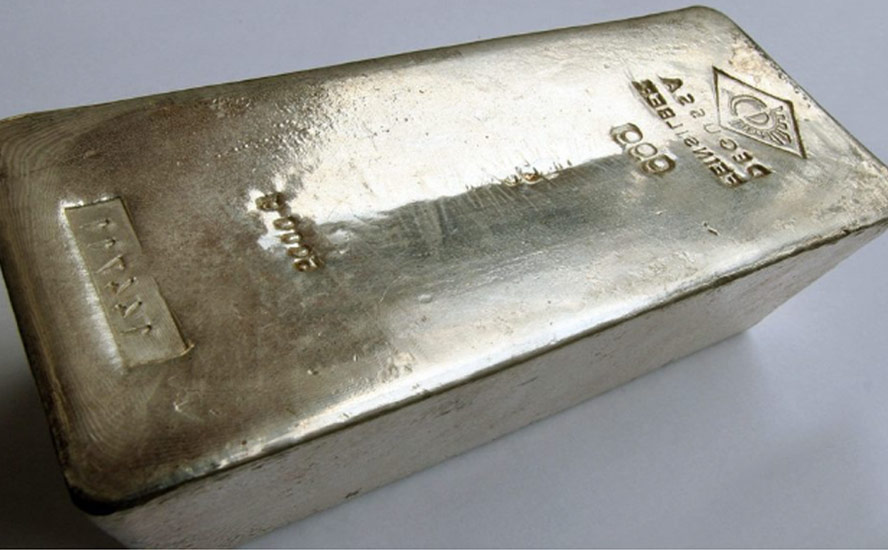
SILVER BASIN IN COLOMBIA

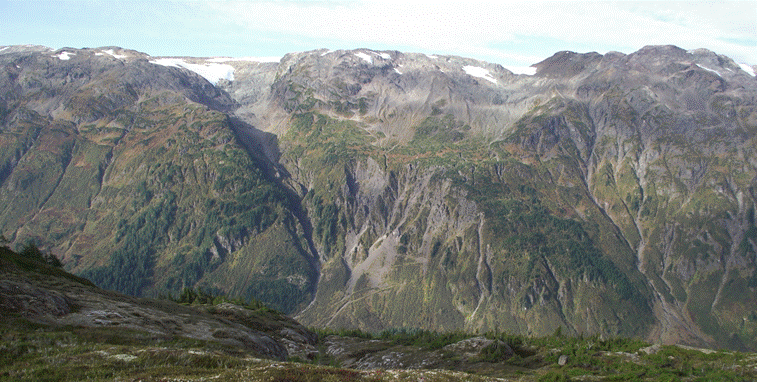
Kitsault Valley Project
Detour-Fenelon Gold Trend

Hi there the man ''Ahead of his time '' i have to say a big thank you for this really informative text on the ''Mining Lost Decade '' . It says exactly what this industry is facing ,for some right now, or for the other players , in a very short time , they will hit a wall. High quality info ,solid facts and deep research work you achieved, to show every mining industry actors what they seem to ignore or not see the major importance it represent for a ''Healthy and Competitive Mining World '' we have to keep, develop and expand . You hit a Homerun with this one !
As a subscriber to your newsletter I follow your work regular. I just want to thank you for your excellent articles - facts, research and text - especially the one about ”Government mandates cutting fertilizer emissions threaten to reverse the ’Green Revolution’ ” The context you provide is crucial. Question: Shouldn’t I, as a reader, in some way pay for your content ;) (I’m an old journalist now working with communications) Please let me know it there is any way I can support your work.
Hi Rick. Just finished reading your recent “Limits to Growth” essay. It was a fantastic read. All politicians should be reading it. All the best.
Hi Mr Rick, This is Lisandro, I´m from Argentina. I had the opportunity to read this article on Kitco.
'Why 1% interest rate hikes won't fix + 6% inflation'
It is excellente!!
Best regards,
Rick - Just to say , excellent article on water, I agree 100%.
I am writing to offer my sincere appreciation not only for today's letter, but for the opportunity to continue to read your insightful articles and writing. Keep doing what you are doing, PLEASE!! Best regards from down under in PA.
Please add me to your free newsletter list. Great insights, great articles and very informative.
Good morning, Rick! I hope this email gets to you. I can't tell you how much I look forward to your continuing letters on the important issues of the day. Climate change, surging copper and lithium, precious water resources and more. In times past, I would look forward to the next Car & Driver or Motor Trend magazine in my mailbox. Now, it's your letters on my phone! In short, the letters are most informative, very well written, and educational to those of us who crave knowledge and information. Keep at it, my friend!
Wow. Thought provoking insights and observations. Please sign me up for your newsletter. Thanks!
Please add me to your free newsletter list. I just read your article ‘Trump Builds Economy and War Machine’ in CanadaFreePress.com and found it very interesting. Yours truly,
Thanks, Rick. Most people are saying nothing about the drought because it hasn't affected the water supply. As a resident here in New Westminster, I think about being totally dependent on external supply for my Food, Water, and Energy. Keep it up.